
Ancient Gold, Swedish Form and The Met: The Jewellery Stories to Know Now
August may traditionally be one of the quieter moments in the jewellery calendar, but the past week has delivered more than its fair share of stories worth talking about. Zendaya brought a piece of ancient Iranian gold to the red carpet at The Odyssey photocall in London, and Sabyasachi has announced an exciting new collaboration with The Metropolitan Museum of Art. Elsewhere, Swedish house Engelbert has distilled summer dressing into a beautifully pared-back jewellery edit and, with a few weeks of the season still to go, we’ve picked two new jewellery books worth adding to your reading pile.
Zendaya: Ancient Gold in the Public Eye
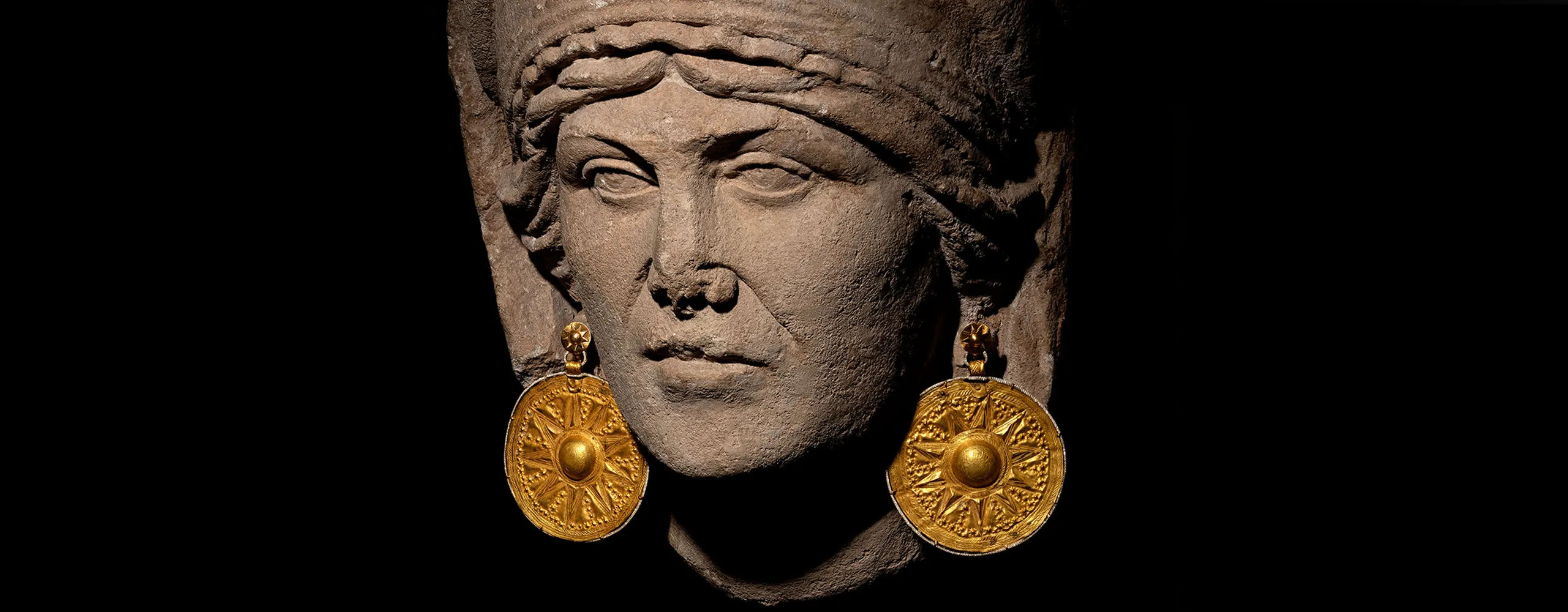
For The Odyssey photocall in London, Zendaya wore Barron London’s Glenn Spiro Ziwiye Earrings, created in 2018 from ancient Iranian gold medallions dating to the first millennium BC. Despite their dramatic scale, Spiro has kept his intervention minimal, adding a fine border of diamonds and the necessary fittings while leaving the original gold surface, relief and decoration clearly visible. The earrings were later acquired by Barron London in 2024 and remain part of the gallery’s private collection. Their appearance inevitably prompted questions about provenance, cultural heritage and whether objects of this age should be worn at all. But there is another point worth considering: preservation does not necessarily require an object to disappear from public life.

Zendaya wearing Glenn Spiro’s Ziwiye gold medallion earrings from the BARRON London collection at The Odyssey premier in London.
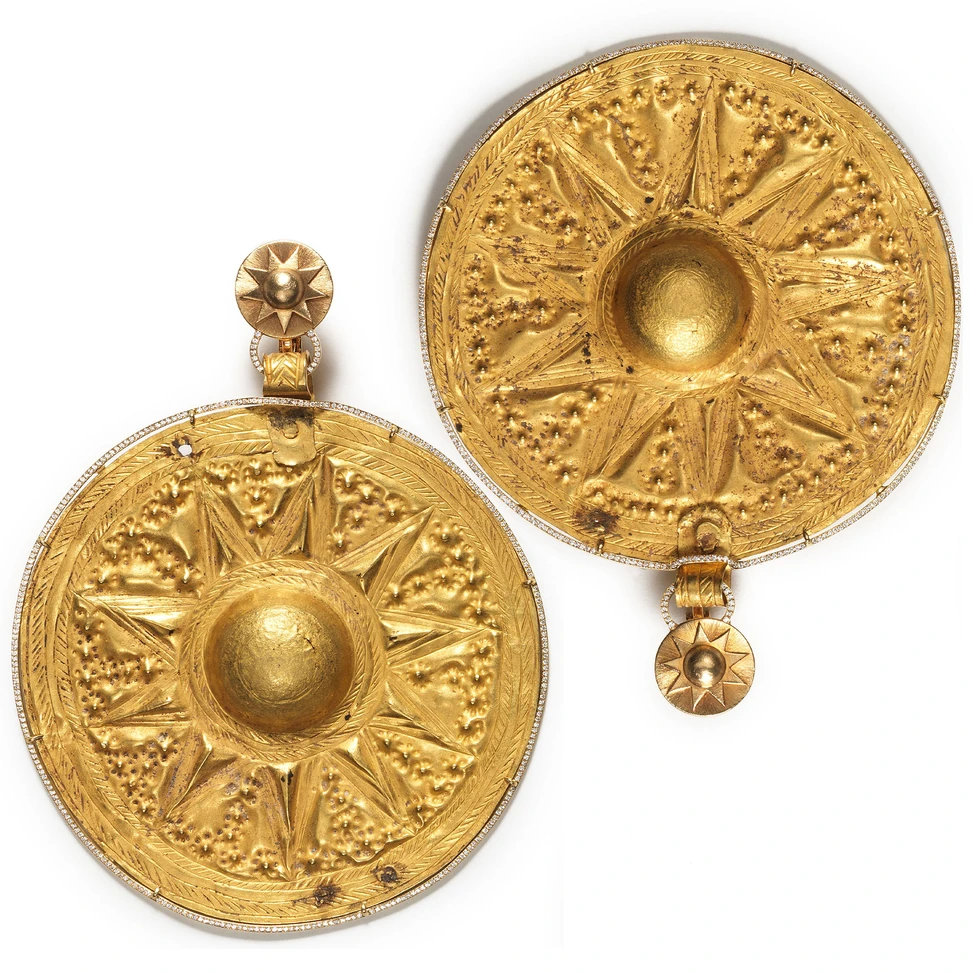
Ancient Ziwiye gold medallions from Iran, dating to the first millennium BC and nearly 3,000 years old, now in BARRON London’s possession. Set by Glenn Spiro within a contemporary diamond framework conceived to leave the ancient goldwork intact.
Here, the medallions remain physically intact and have been placed before an audience of millions. The diamonds do not compete with them – they frame the ancient goldwork and direct attention back to it. That visibility cannot resolve every question surrounding ownership or archaeological material, but it has encouraged people to look more closely at the objects, their origin and their history.
She wasn’t the only star bringing a piece of history onto the red carpet. At the same London event, Anne Hathaway wore Bvlgari’s Monete Catene High Jewellery secret watch, set with an ancient Roman silver coin bearing the likeness of Emperor Caracalla. Earlier this year, Margot Robbie wore Cartier’s Taj Mahal necklace, centred on the historic diamond once owned by Elizabeth Taylor. There is something fascinating about seeing objects with such long and complicated histories return to public view through jewellery.

Zendaya paired the Ziwiye earrings with additional BARRON London jewellery, completing the look with a refined interplay of ancient artefact and contemporary design.
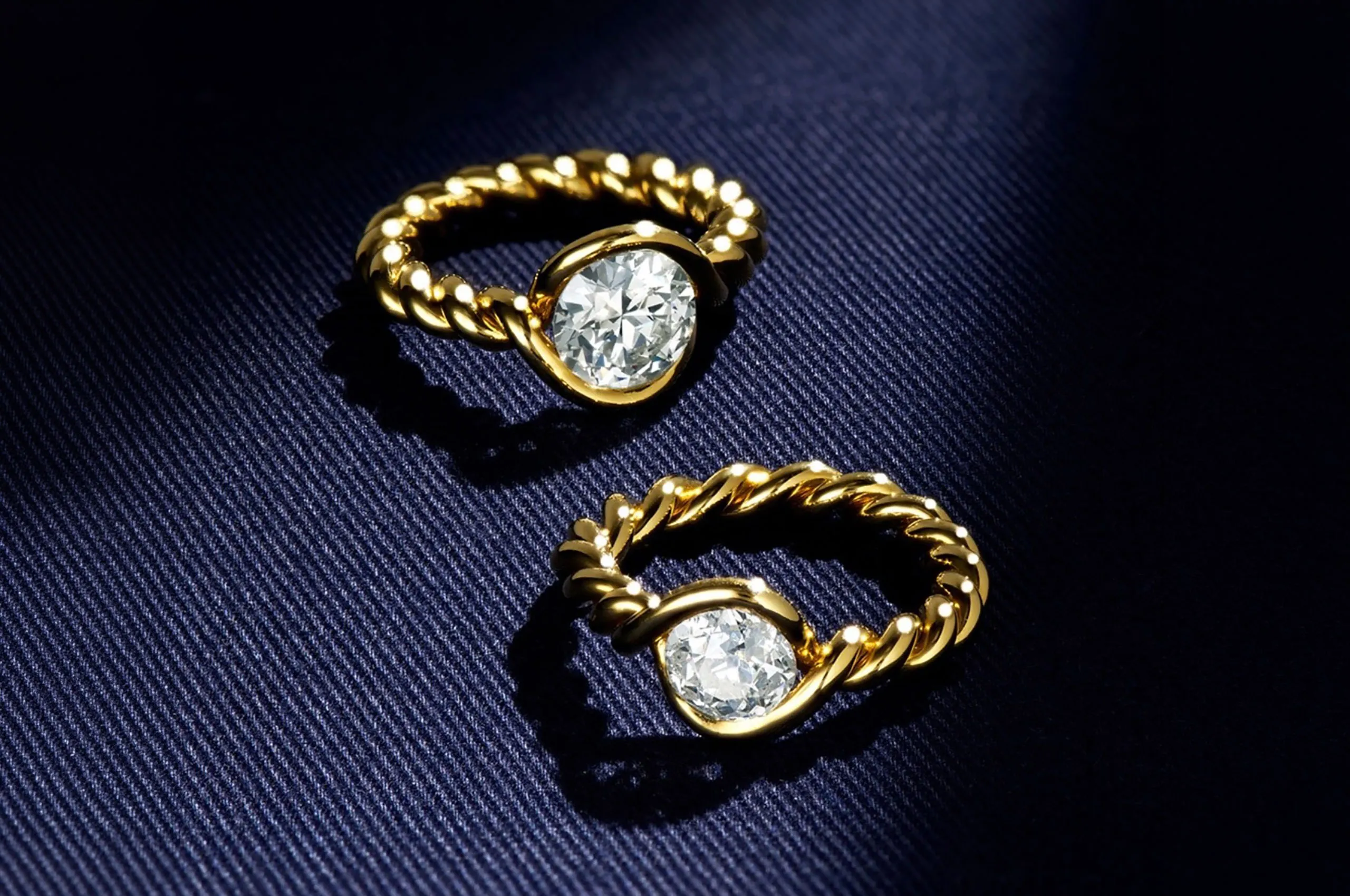
Zendaya wearing BARRON London Twist rings, pairing old mine-cut diamonds with sculptural 22 ct yellow gold.
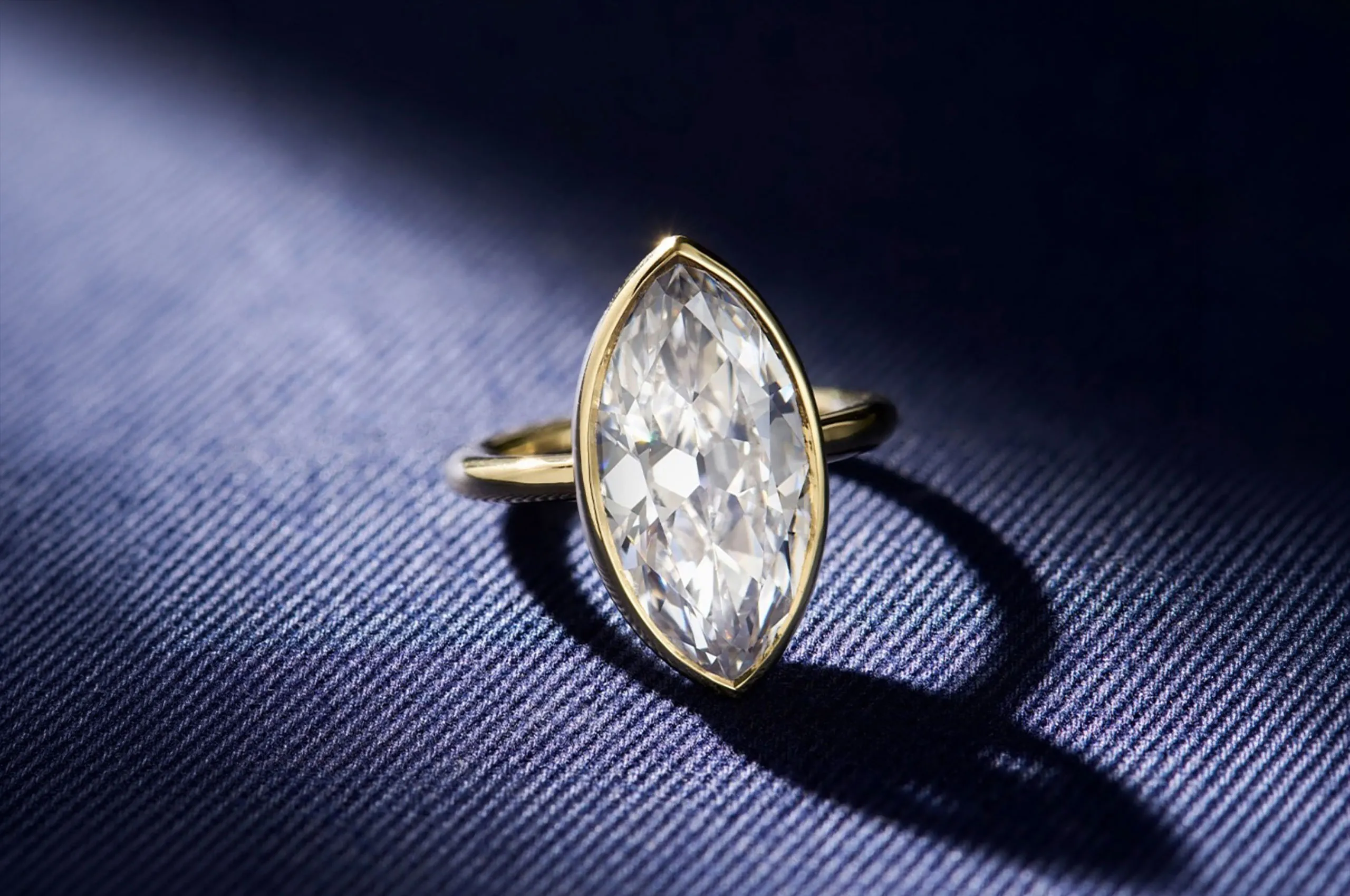
Zendaya wearing BARRON London’s marquise diamond ring, centred on a 5.11 ct D-colour, VS2 marquise-cut diamond.
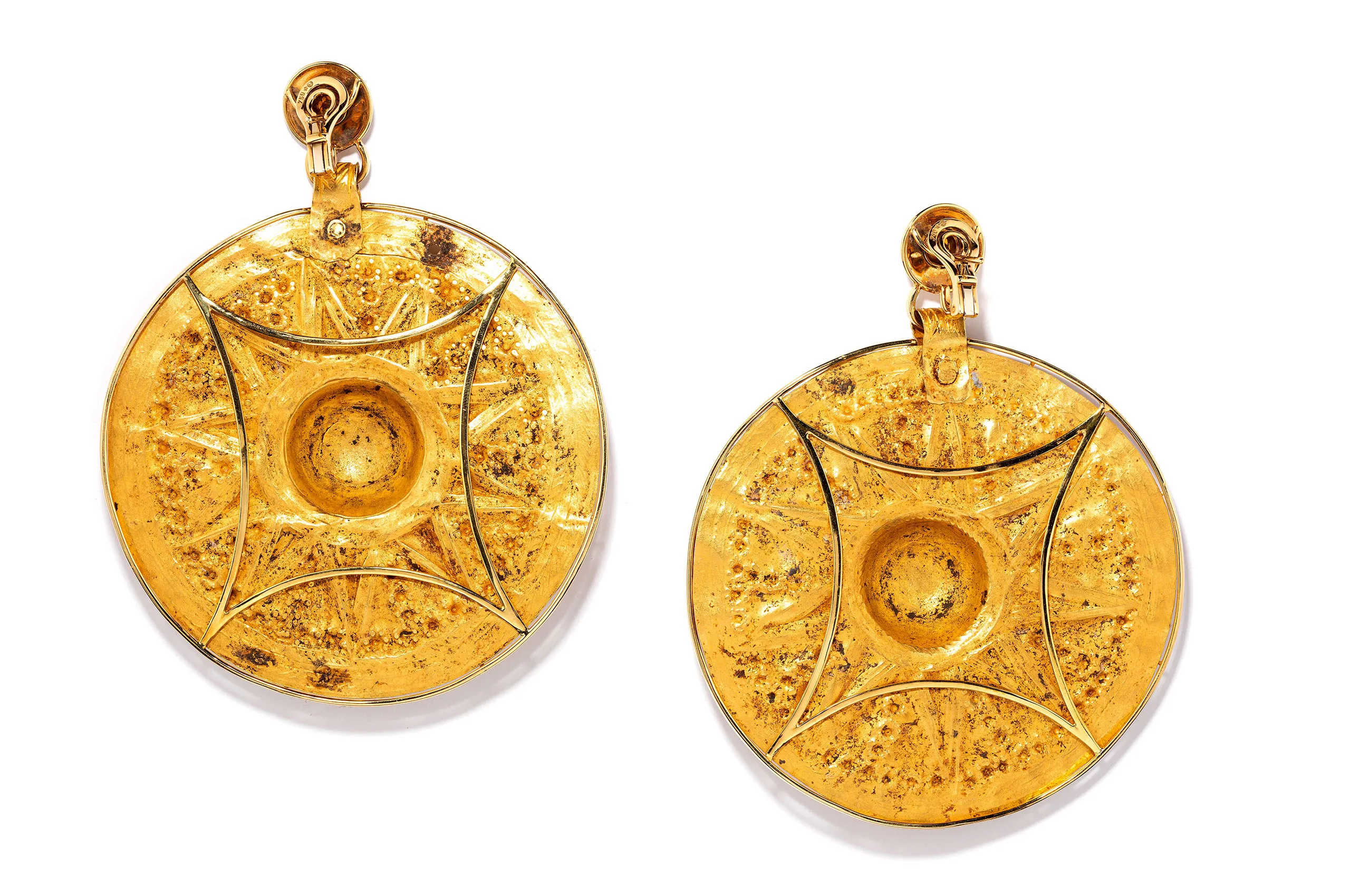
The reverse of the Ziwiye earrings reveals the preserved construction and surface of the ancient gold medallions, offering a closer view of their original workmanship and age.
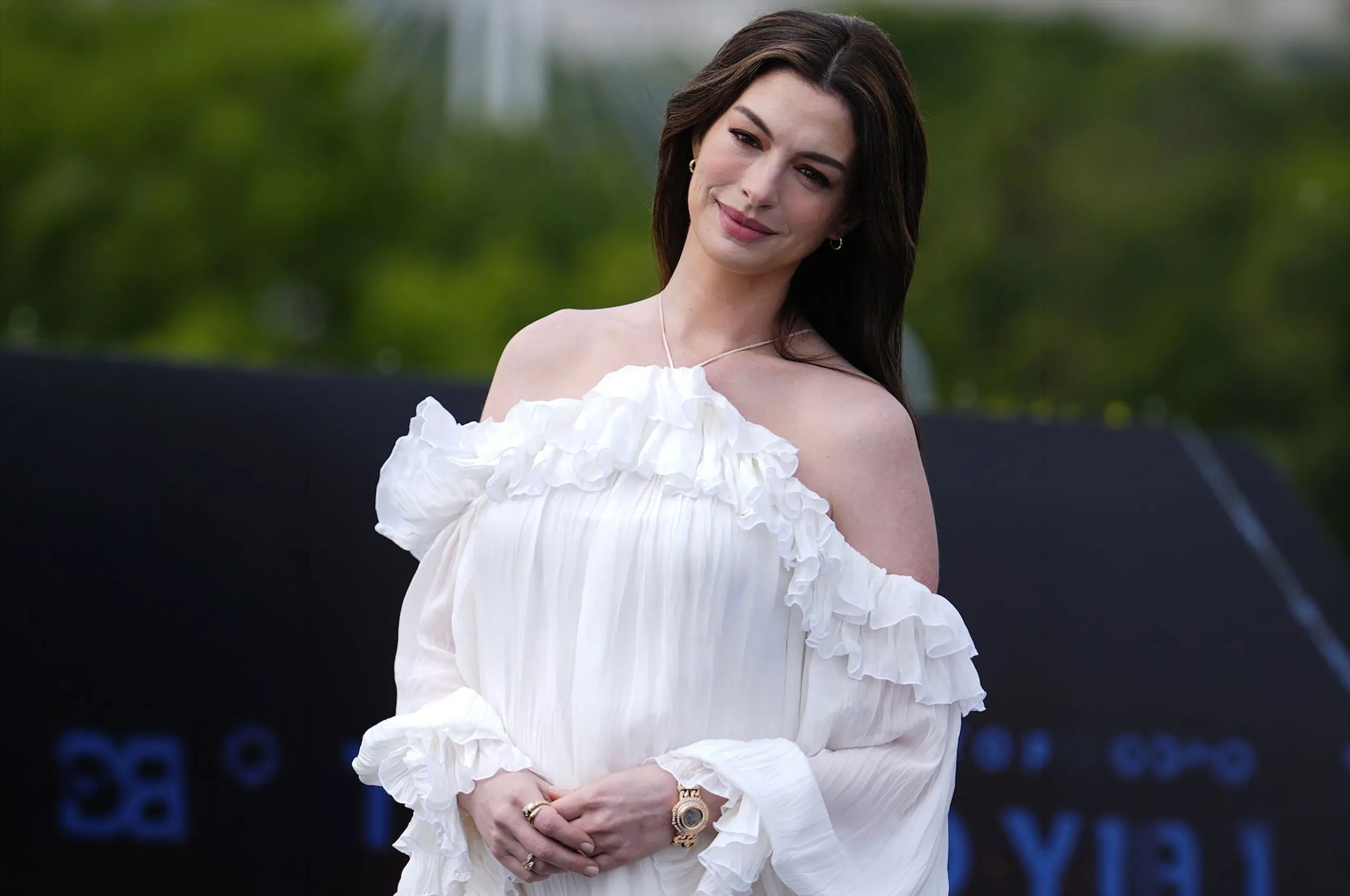
Anne Hathaway chose Bvlgari for The Odyssey London photocall, wearing the Monete Catene High Jewellery Secret Watch, which incorporates an ancient Roman coin within its diamond-set rose-gold design.
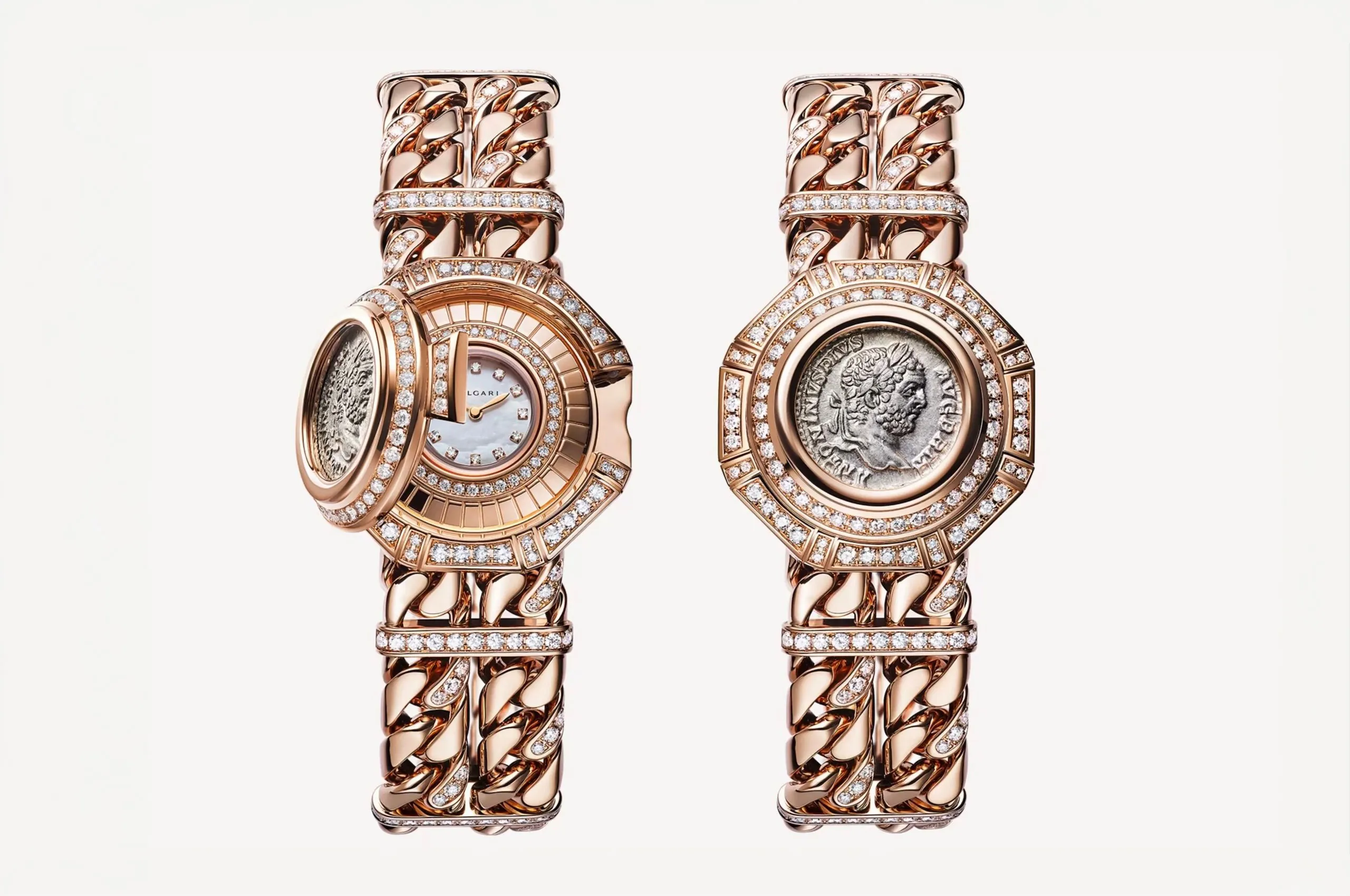
Bulgari Monete Catene High Jewelry Secret Watch.

Margot Robbie wearing Elizabeth Taylor’s celebrated Taj Mahal diamond necklace at the Wuthering Heights premiere, bringing one of the actress’s most storied jewels back into the spotlight.
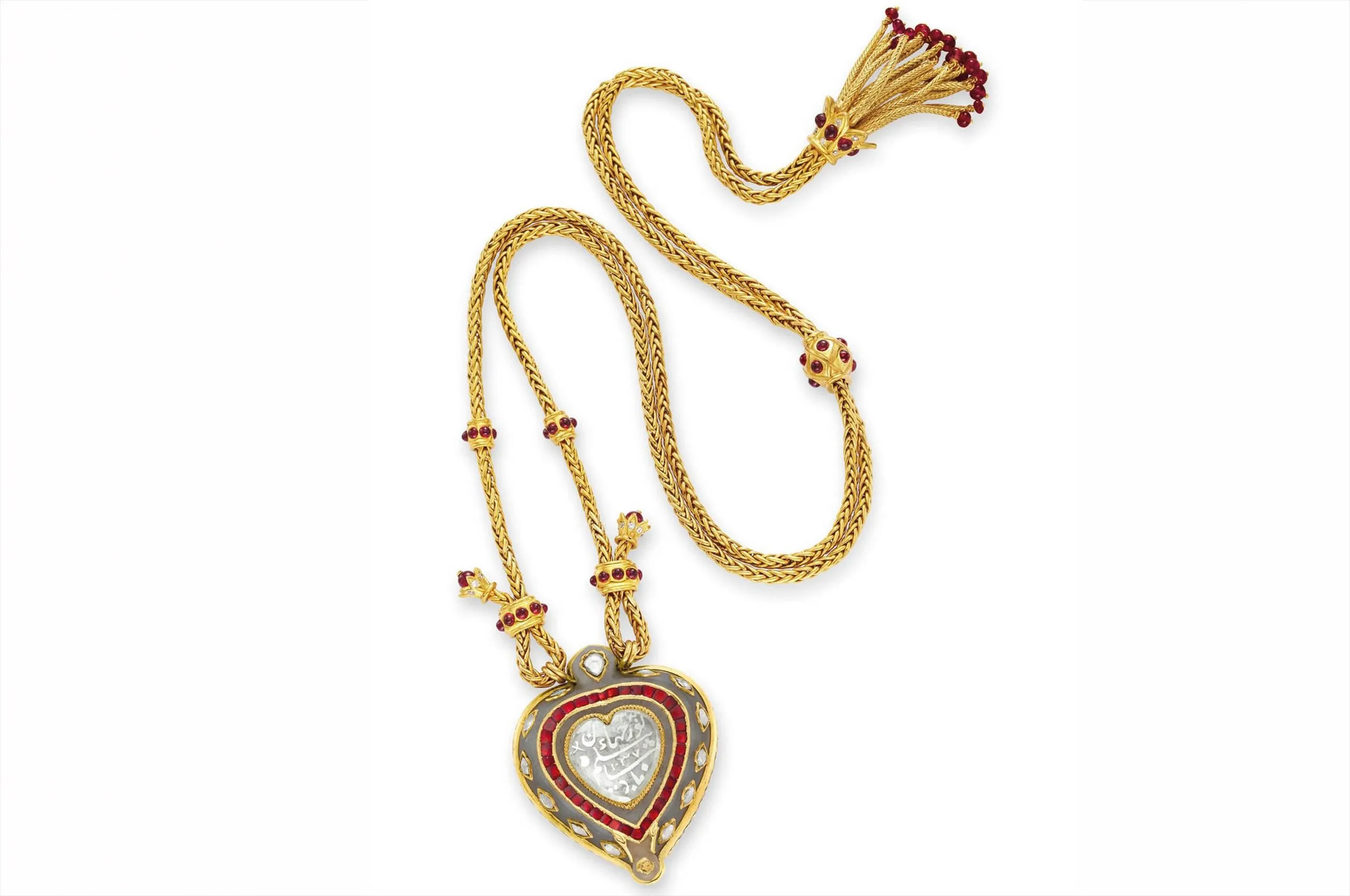
The Taj Mahal Necklace by Cartier, centred on an Indian diamond and jade heart-shaped pendant, suspended from a ruby-set gold chain. Once part of Elizabeth Taylor’s legendary jewellery collection.
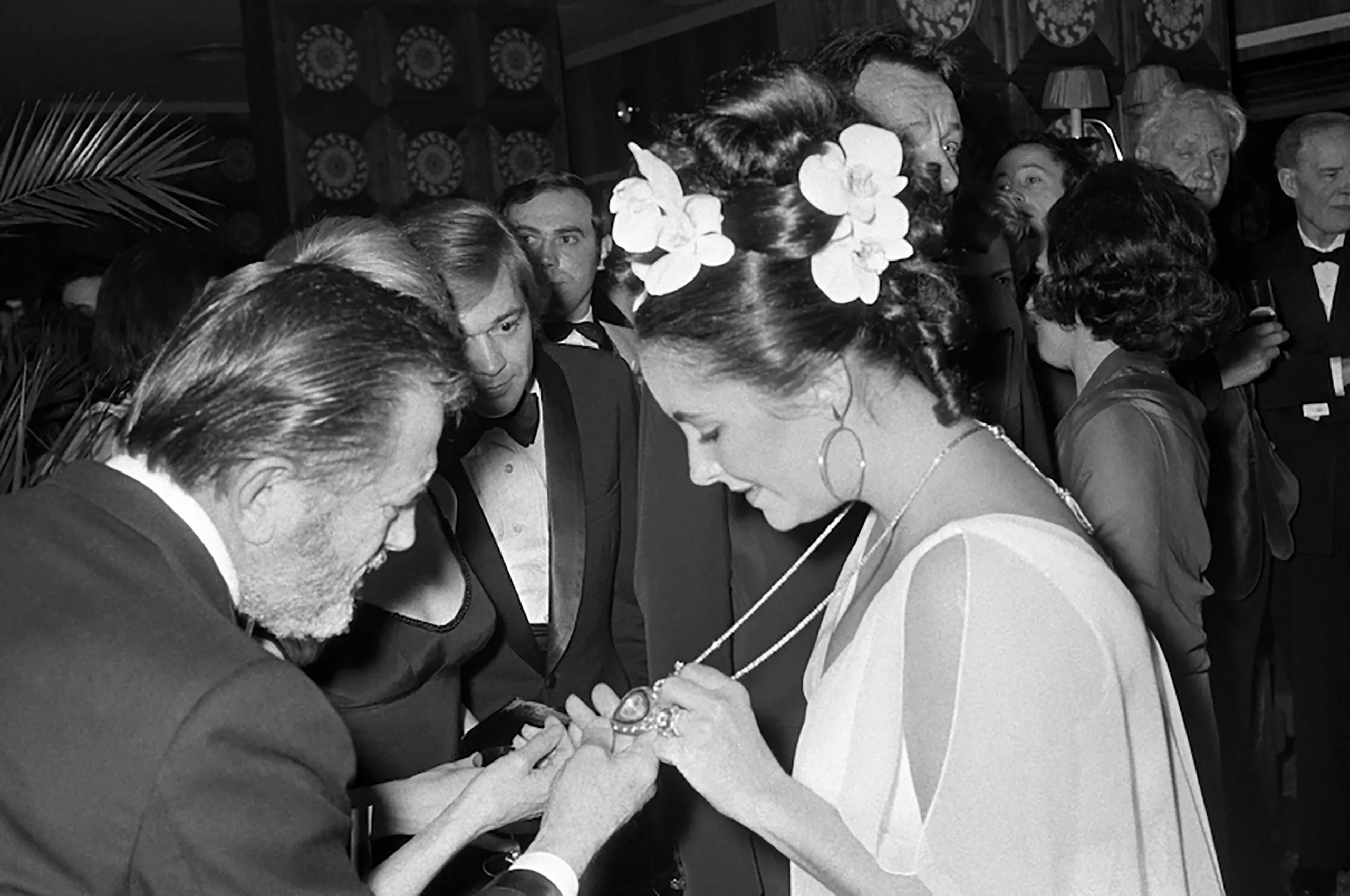
Elizabeth Taylor wearing the Taj Mahal necklace, a gift from Richard Burton, its historic Indian diamond inscribed with love poetry and suspended from Cartier’s ruby-set gold chain.
And perhaps that is the real fascination of Zendaya’s earrings. Thousands of years after the medallions were made, they are still being seen, talked about and prompting people to ask questions about where they came from. Whatever your view on ancient objects being worn as jewellery, that conversation is surely worth having.
Engelbert: Swedish Gold for Summer
This summer, I am being drawn to Engelbert, the Stockholm jewellery house founded in 1920 and now sustained by the fourth generation of the family. Its polished gold pieces seem made for this time of year: bold enough to stand alone, but easy enough to wear with very little else.
The house’s most recognisable designs include the Legacy Knot, Cross Loop and Drop Link collections, all centred on strong, rounded forms in 18 carat gold. The Legacy Knot is perhaps the clearest expression of Engelbert’s style: polished gold folded into a seamless knot with enough volume and weight to make an immediate impression. Much of Engelbert’s modern identity has been shaped by head designer Thomas Carlsson, who was appointed in 1985. His work is characterised by organic forms and a Scandinavian simplicity, qualities that continue to define many of the house’s most recognisable pieces.
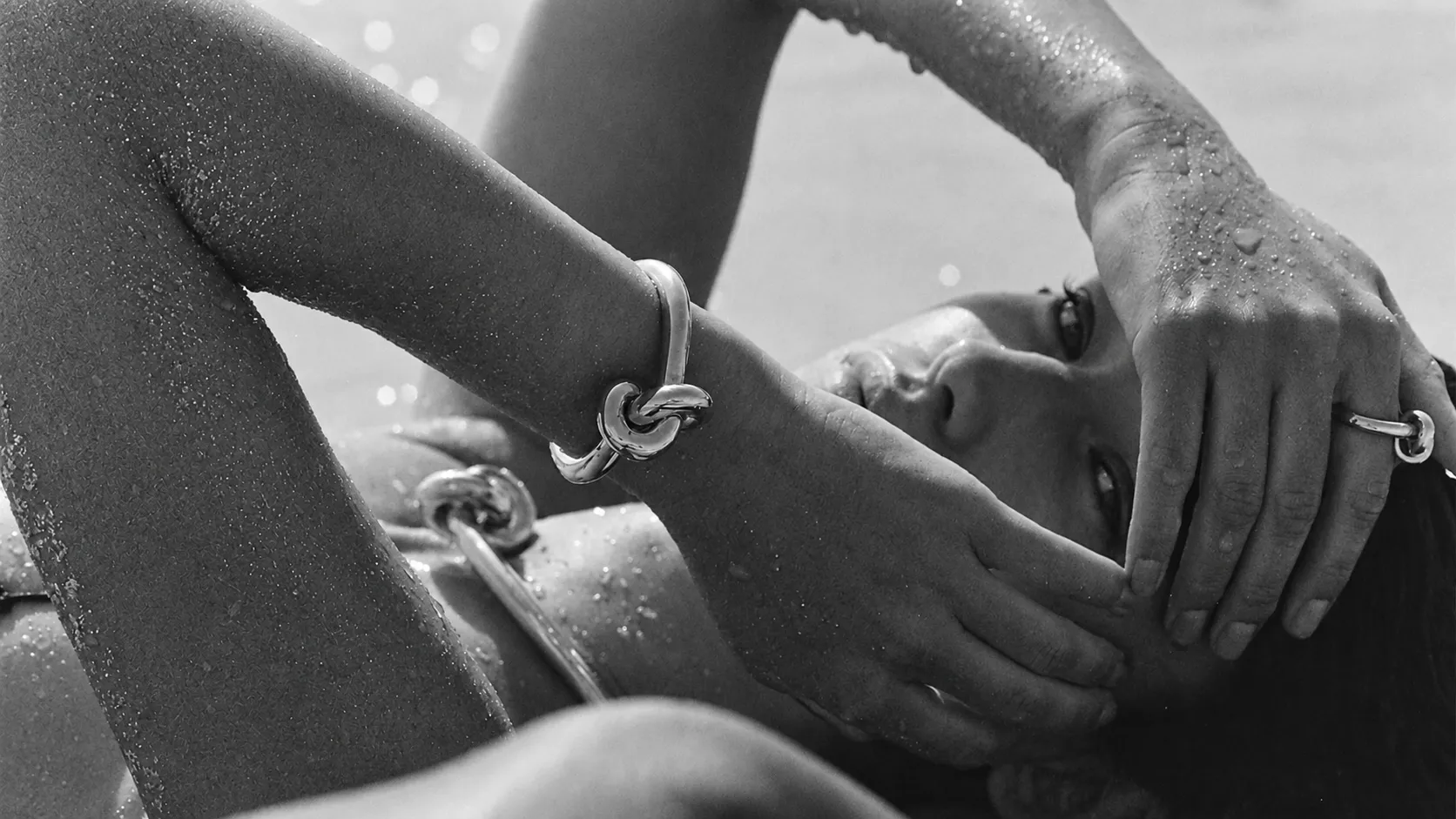
Engelbert, High Summer Edit
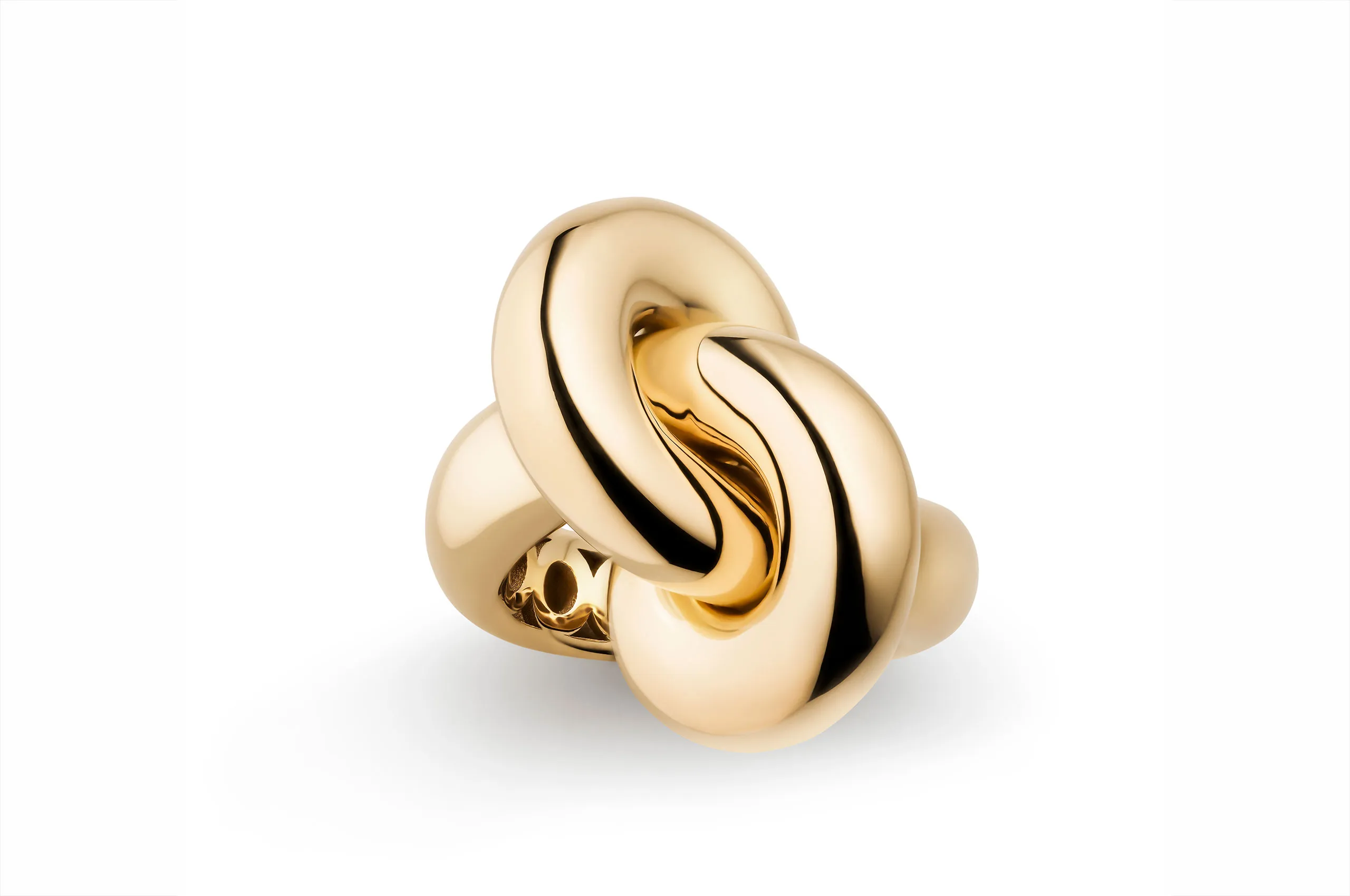
Engelbert Legacy Knot Big ring in 18kt gold.

Engelbert, High Summer Edit
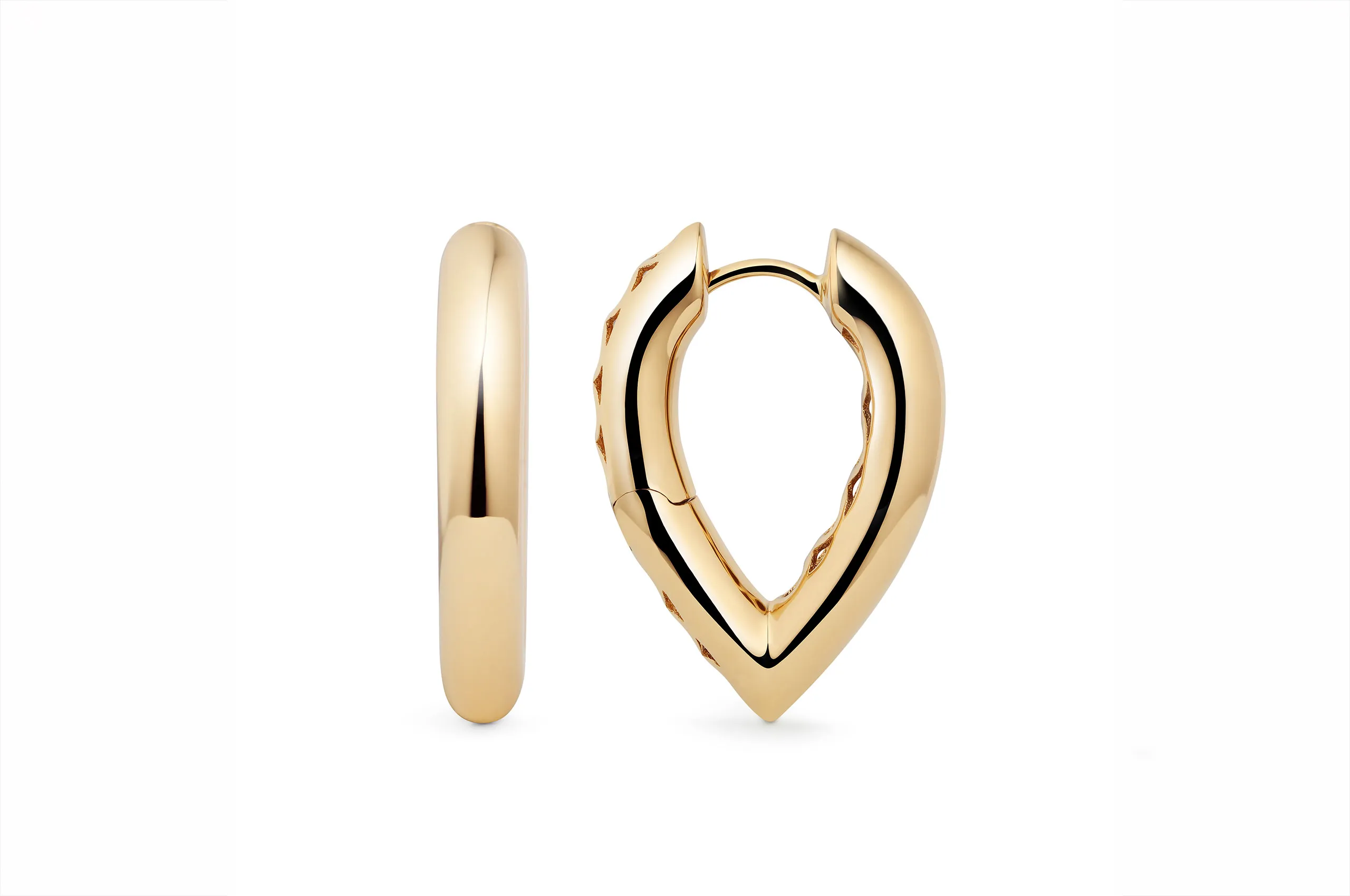
Engelbert Drop Link Medium earrings in 18kt gold.
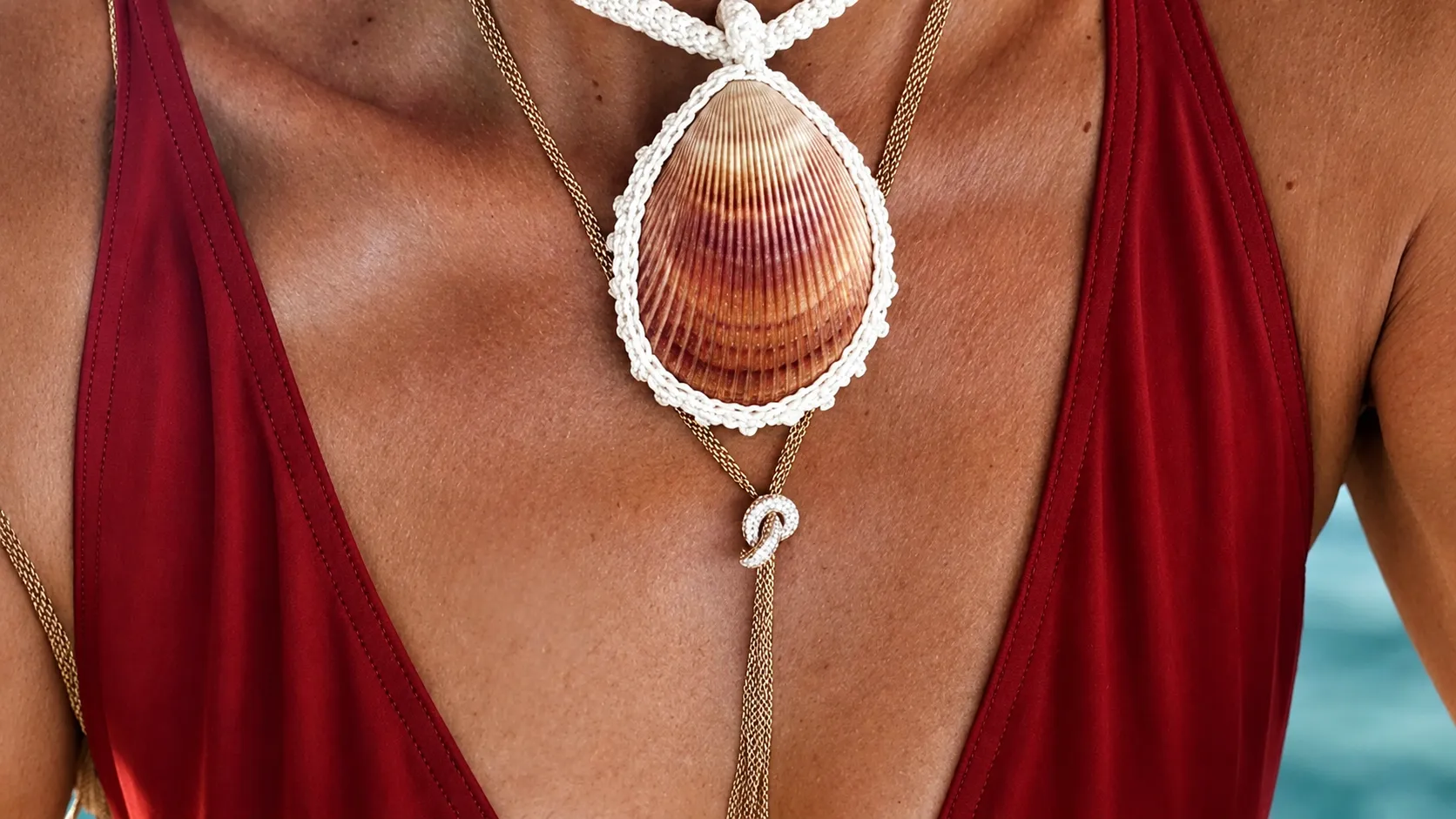
Engelbert, High Summer Edit
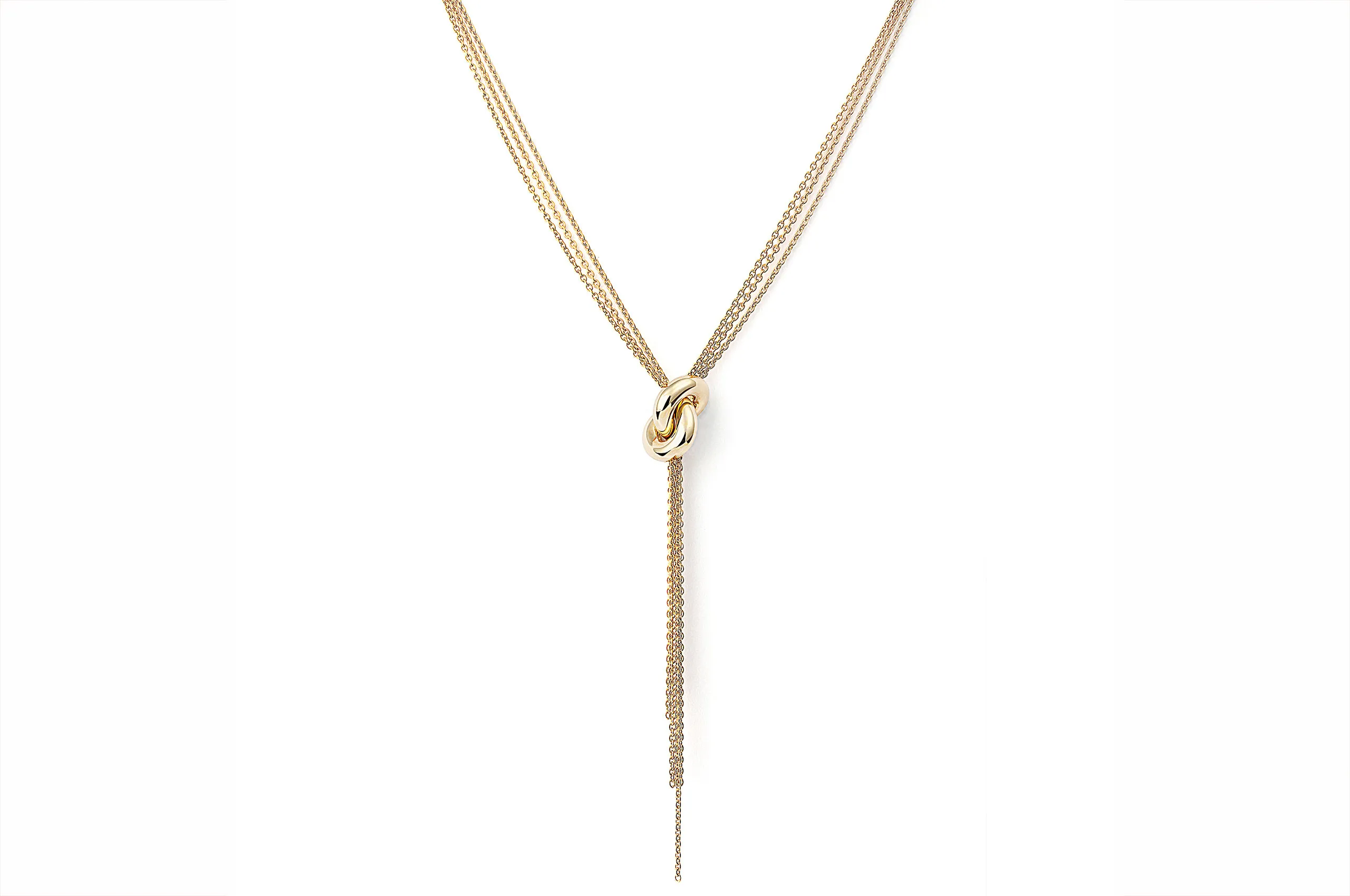
Engelbert Legacy Knot Big necklace in 18kt gold.
The house’s most recognisable designs include the Legacy Knot, Cross Loop and Drop Link collections, all centred on strong, rounded forms in 18 carat gold. The Legacy Knot is perhaps the clearest expression of Engelbert’s style: polished gold folded into a seamless knot with enough volume and weight to make an immediate impression. Much of Engelbert’s modern identity has been shaped by head designer Thomas Carlsson, who was appointed in 1985. His work is characterised by organic forms and a Scandinavian simplicity, qualities that continue to define many of the house’s most recognisable pieces.
I particularly like the pieces that let the gold do most of the talking. A substantial Legacy Knot against a white shirt, rounded earrings with bare shoulders or a simple pendant with an open neckline need very little else. Diamonds appear throughout the collections, but Engelbert’s polished yellow gold is especially lovely in the sunshine.
Sabyasachi and The Met: Byzantium Through an Indian Eye
Last week brought one of the most interesting jewellery announcements of the summer: The Metropolitan Museum of Art and Sabyasachi, the Indian luxury house founded by designer Sabyasachi Mukherjee, revealed a multi-year collaboration that will begin with a High Jewellery collection inspired by the Byzantine world.
Sabyasachi Mukherjee approaches that history from his own Indian perspective. Positioned between continents, Byzantium was never culturally isolated. The empire absorbed influences from Egypt, Greece, Rome and Persia, and trade routes extending towards India and Asia carried objects, materials and ideas across vast distances. Mukherjee draws a parallel with Calcutta, another city shaped by commerce, migration and exchange.

Sabyasachi Mukherjee, Founder and Creative Director of Sabyasachi, marking a new chapter with The Metropolitan Museum of Art.
The jewellery takes its cues from imperial medallions, ancient statuary, architectural ornament, stonework and religious iconography held in The Met’s Greek and Roman, Medieval and Islamic departments. The first images of the High Jewellery designs are striking. Broad gold cuffs carry densely worked figurative reliefs, while medallion necklaces and long earrings combine ancient forms with richly coloured stones. All are recognisably Sabyasachi, with substantial gold, rich colour and an abundance of ornament.
Indian craftsmanship is also integral to the collaboration. Every jewel in the collection will be conceived, developed and handcrafted in India by Sabyasachi’s network of master artisans, and we don’t have long to wait to see more. The collection will make its full debut during New York Fashion Week on 15 September.
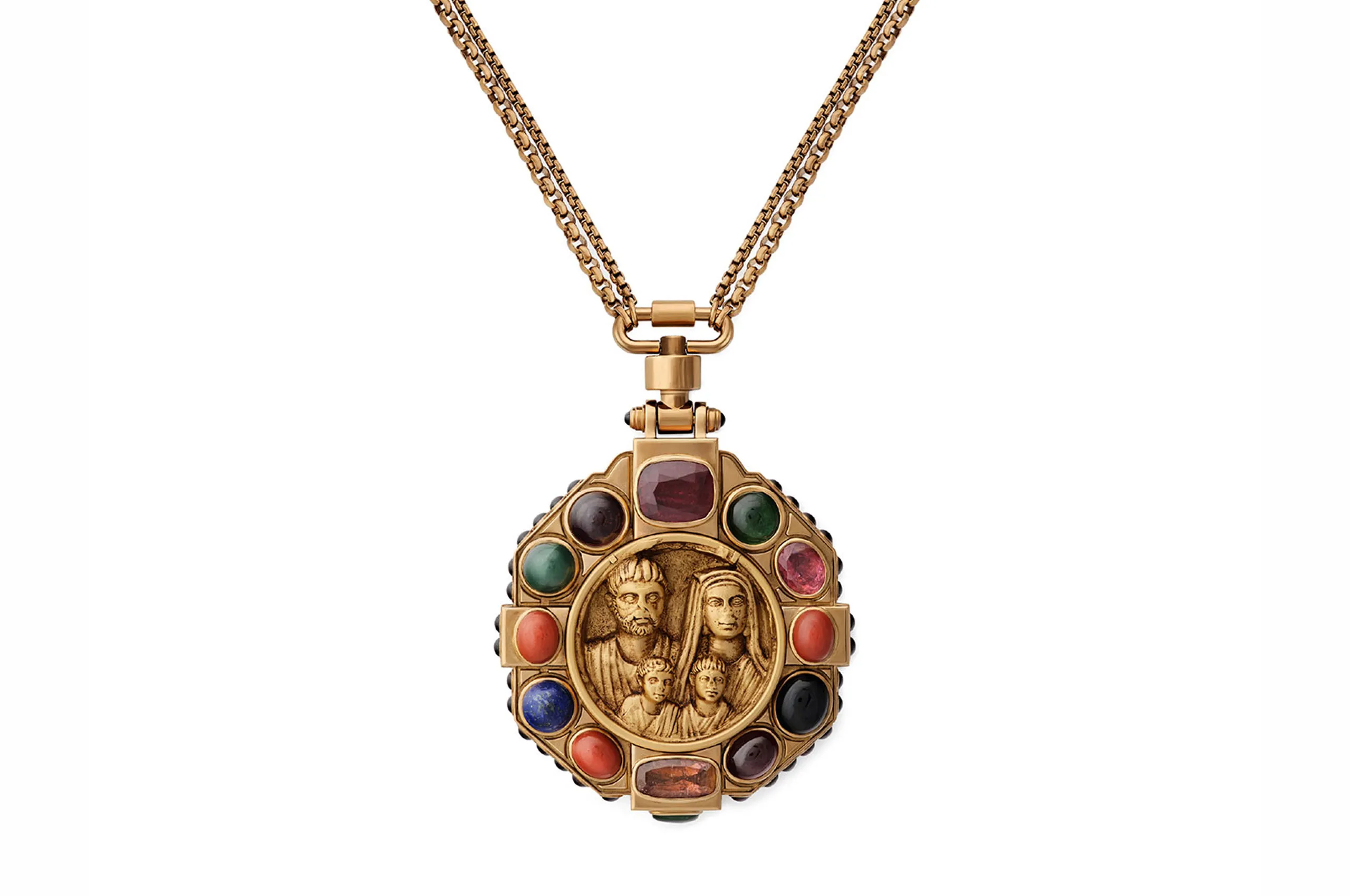
Sabyasachi pendant necklace in 18kt and 22kt gold, set with tourmaline, garnet, jasper, lapis lazuli and jade, inspired by a 2nd–3rd-century Roman marble funerary relief.
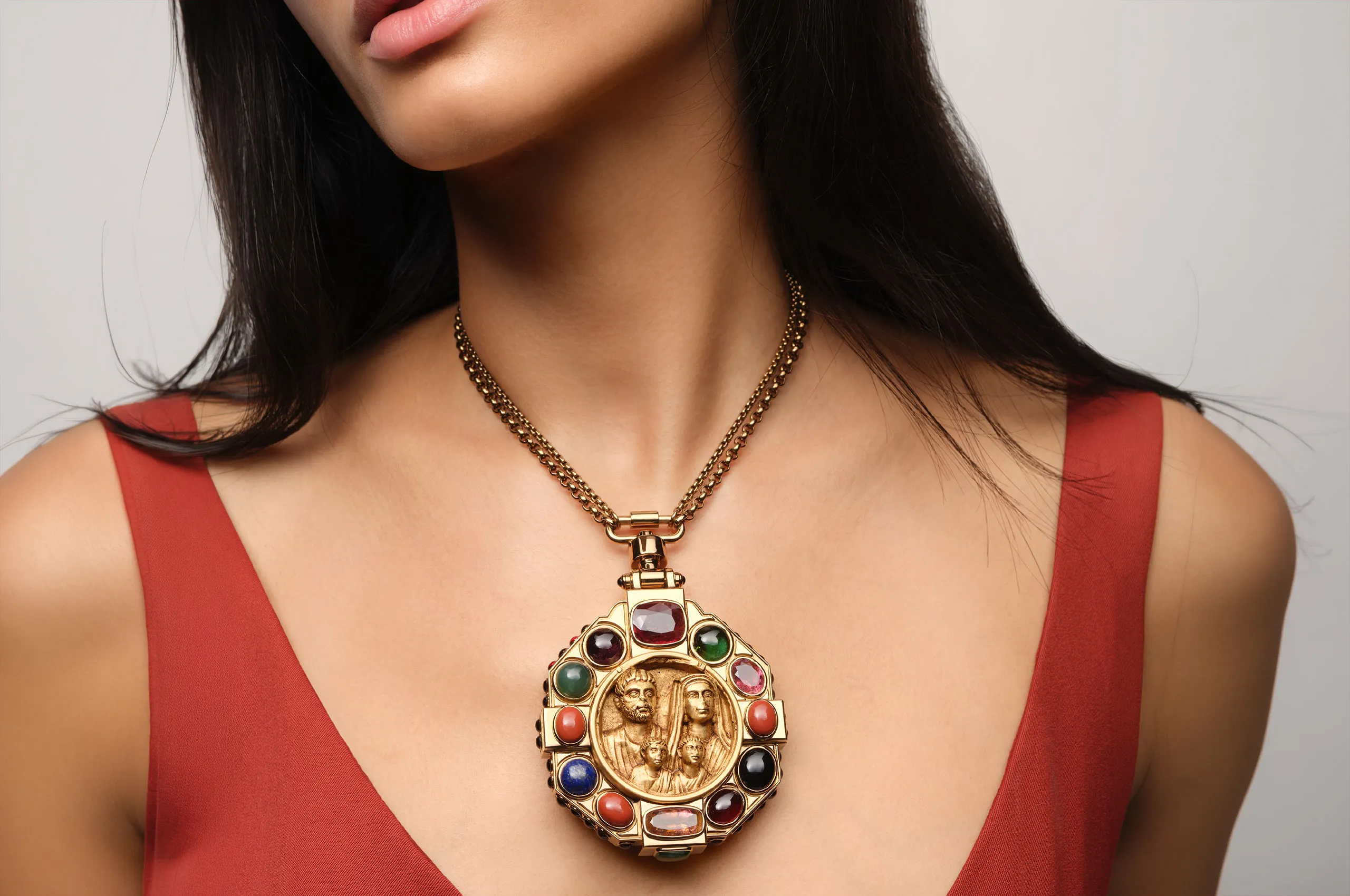
The collaboration draws on The Met’s collection of more than 5,000 years of art and culture, reinterpreted through the lens of Indian craftsmanship.
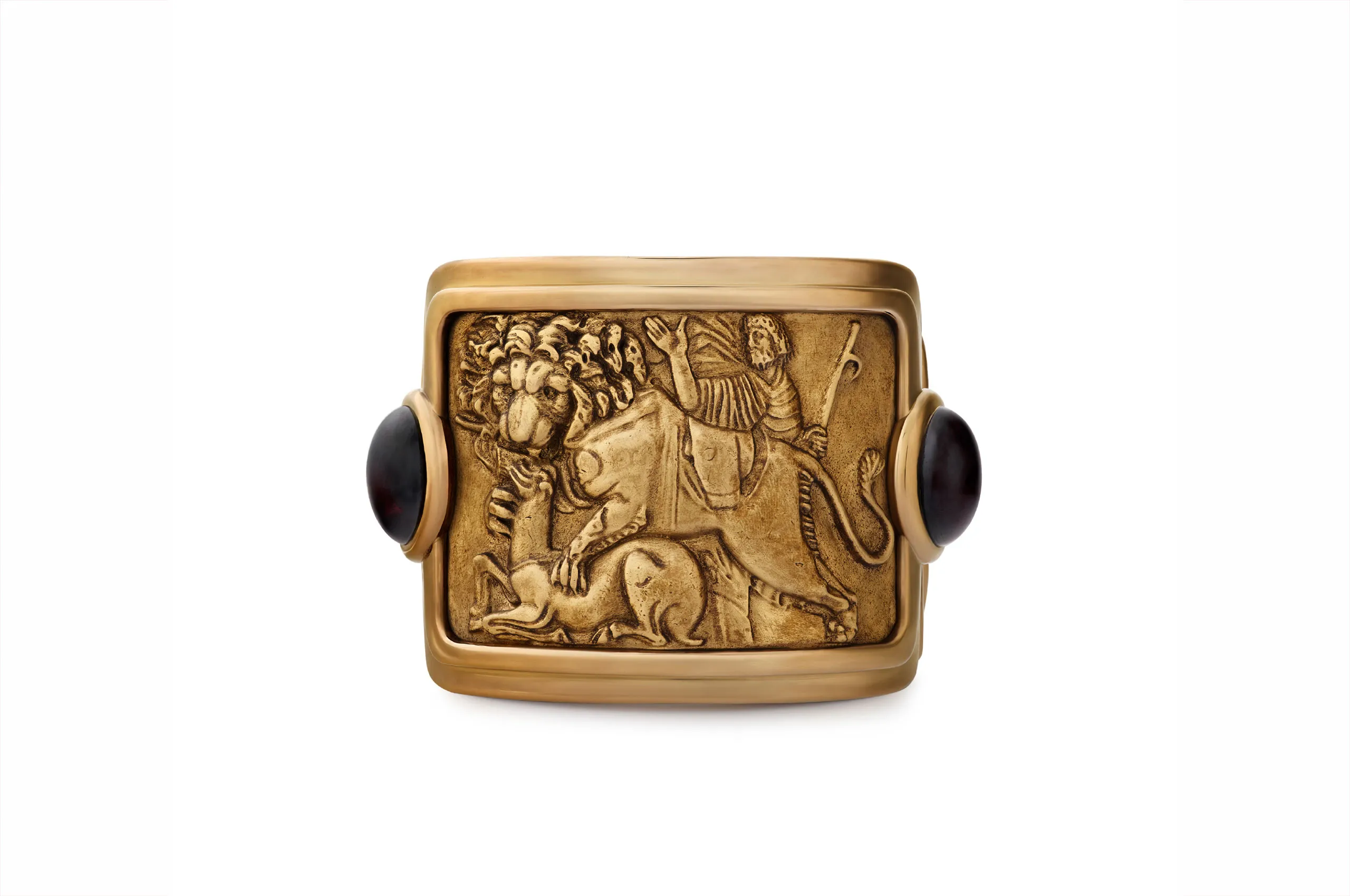
Sabyasachi wrist cuff in 18kt and 22kt gold with garnet cabochons and brilliant-cut brown diamonds, inspired by a 3rd-century Roman sculpture.
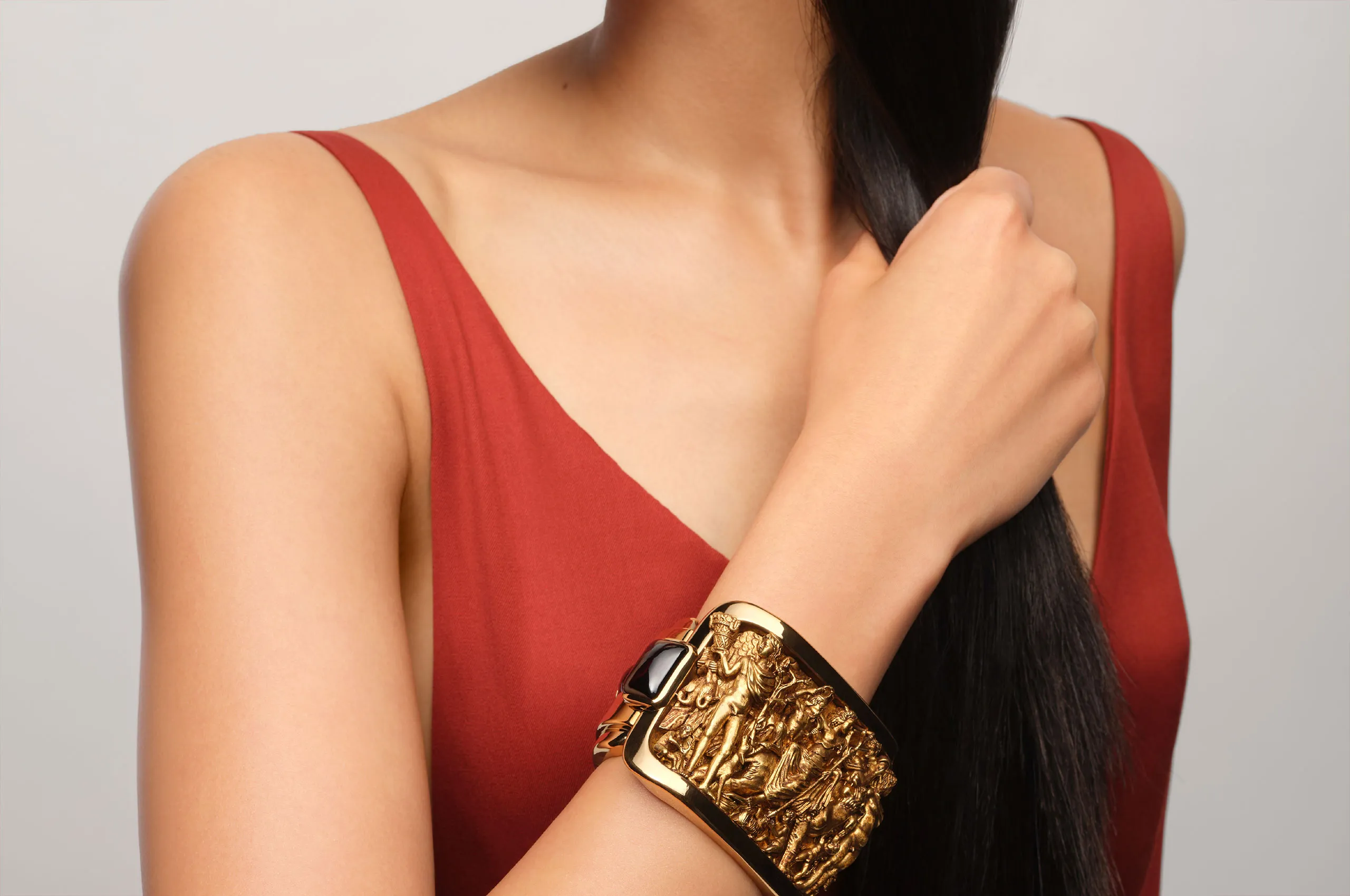
Its inaugural High Jewellery chapter takes inspiration from the art of the Byzantine Empire and the cultures connected through centuries of trade and exchange.
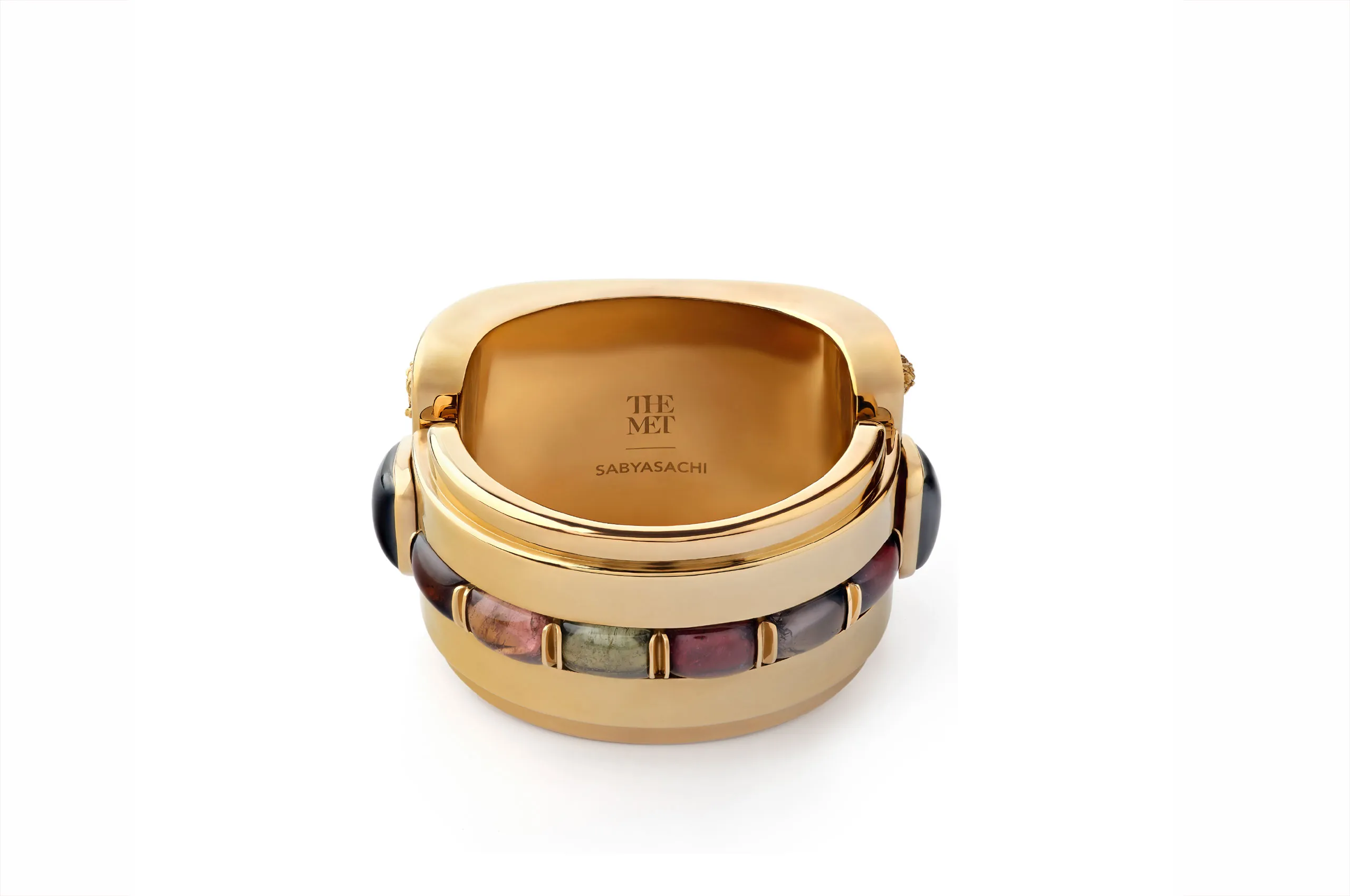
Reverse view of the Sabyasachi wrist cuff.
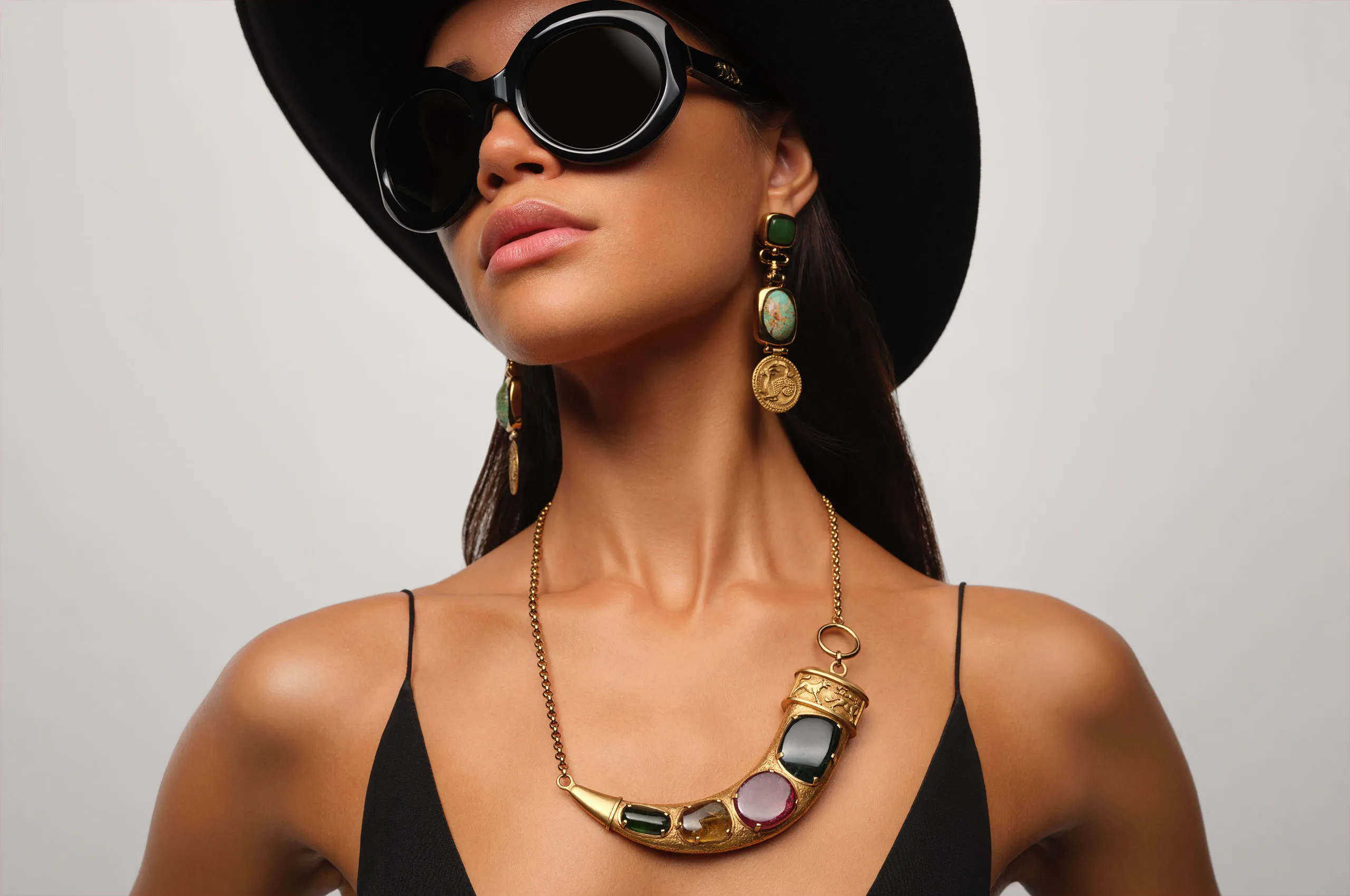
Each piece is conceived, developed and handcrafted in India, creating a dialogue between historic works of art and one of the world’s richest living craft traditions.
Two Jewellery Books for the Summer Reading List
For the last weeks of summer, two recent jewellery books are particularly worth having close at hand, not least because they are as rewarding to look at as they are to read.
William Grant’s Elizabeth Gage: A Life in Jewellery, published earlier this year, traces more than six decades of one of Britain’s most enduring jewellery careers. Across 192 pages, Roman coins, carved stones, enamel, textured gold and richly coloured gems reveal the consistency and originality of Gage’s work. With almost 200 illustrations, you can follow the evolution of Gage’s work visually, from her early autumn leaf bracelets and engraved tourmalines to the more recent fantastical fish and sculptural gold creations.
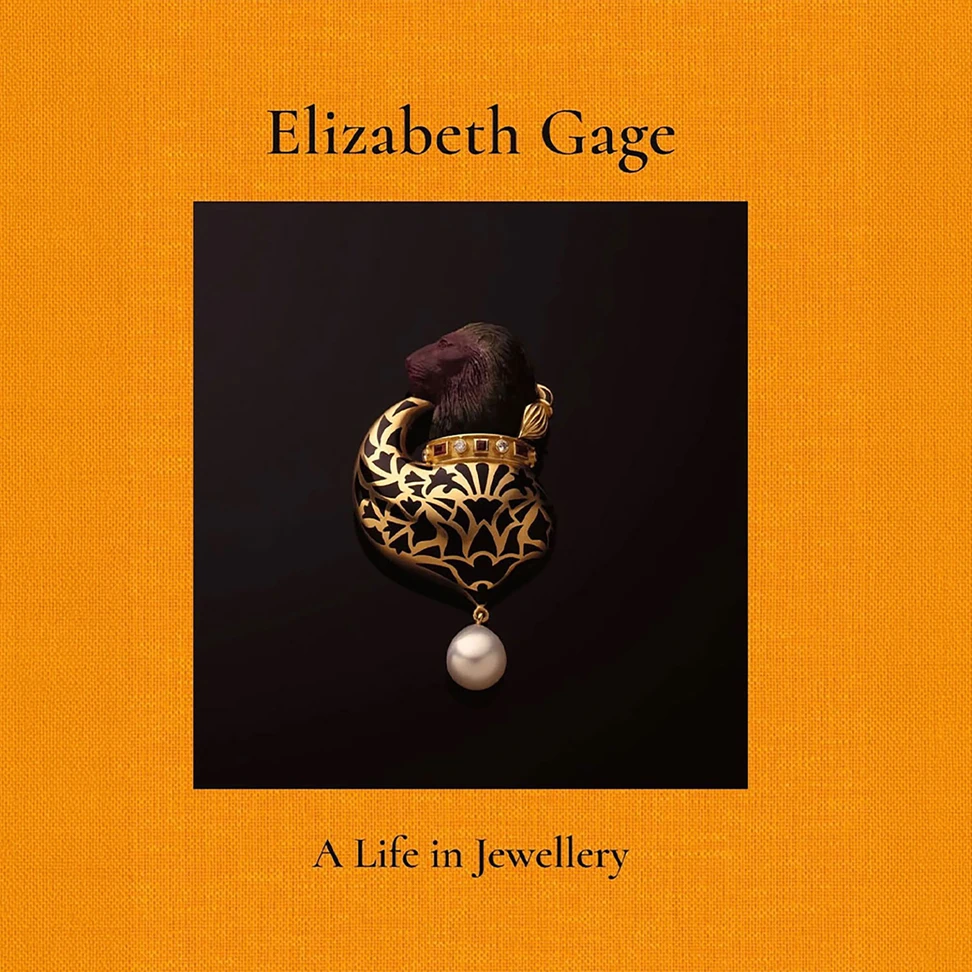
Elizabeth Gage: A Life in Jewellery by William Grant, celebrating six decades of one of Britain’s most distinctive jewellery designers.
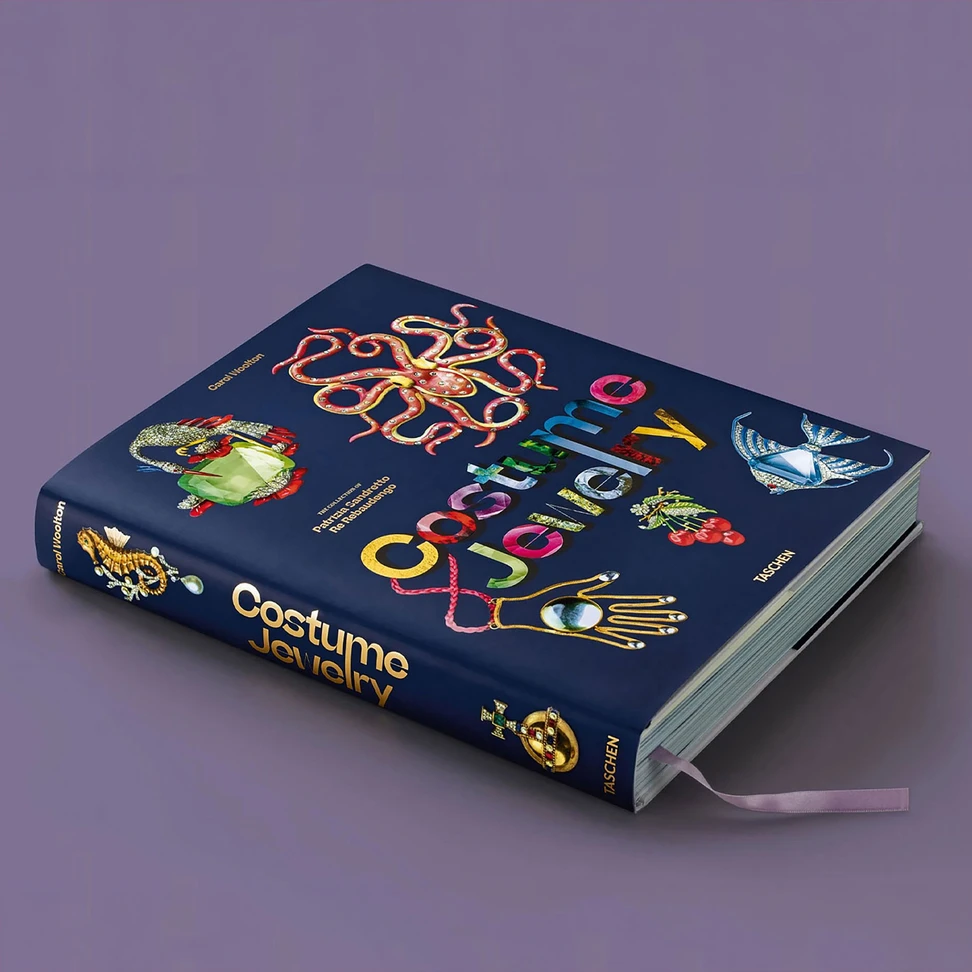
Costume Jewellery by Carol Woolton and Patrizia Sandretto Re Rebaudengo, tracing the exuberant history and artistry of costume jewellery through an exceptional private collection.
Second on the list of essential reading this summer is Carol Woolton’s Costume Jewelry, published by TASCHEN. Across 528 pages, nearly 600 pieces from the collection of Patrizia Sandretto Re Rebaudengo, an Italian art collector and patron, chart the evolution of costume jewellery from the 1930s to the new millennium. Photographed by Luciano Romano, Chanel, Schiaparelli, Miriam Haskell and others appear alongside Bakelite, Lucite, glass and rhinestones, showing how freedom from precious materials allowed designers to experiment with scale, colour and humour. It is both visually absorbing and a serious record of how costume jewellery reflected changing fashion, society and ideas of self-expression across the 20th century.
Until Next Week
Ancient gold, Byzantine splendour, Swedish simplicity and two very good reasons to buy another jewellery book – not such a quiet August after all. Here’s to spending the rest of summer surrounded by beautiful jewels.
RelatedArticles
Discover the brand: the story from various angles.