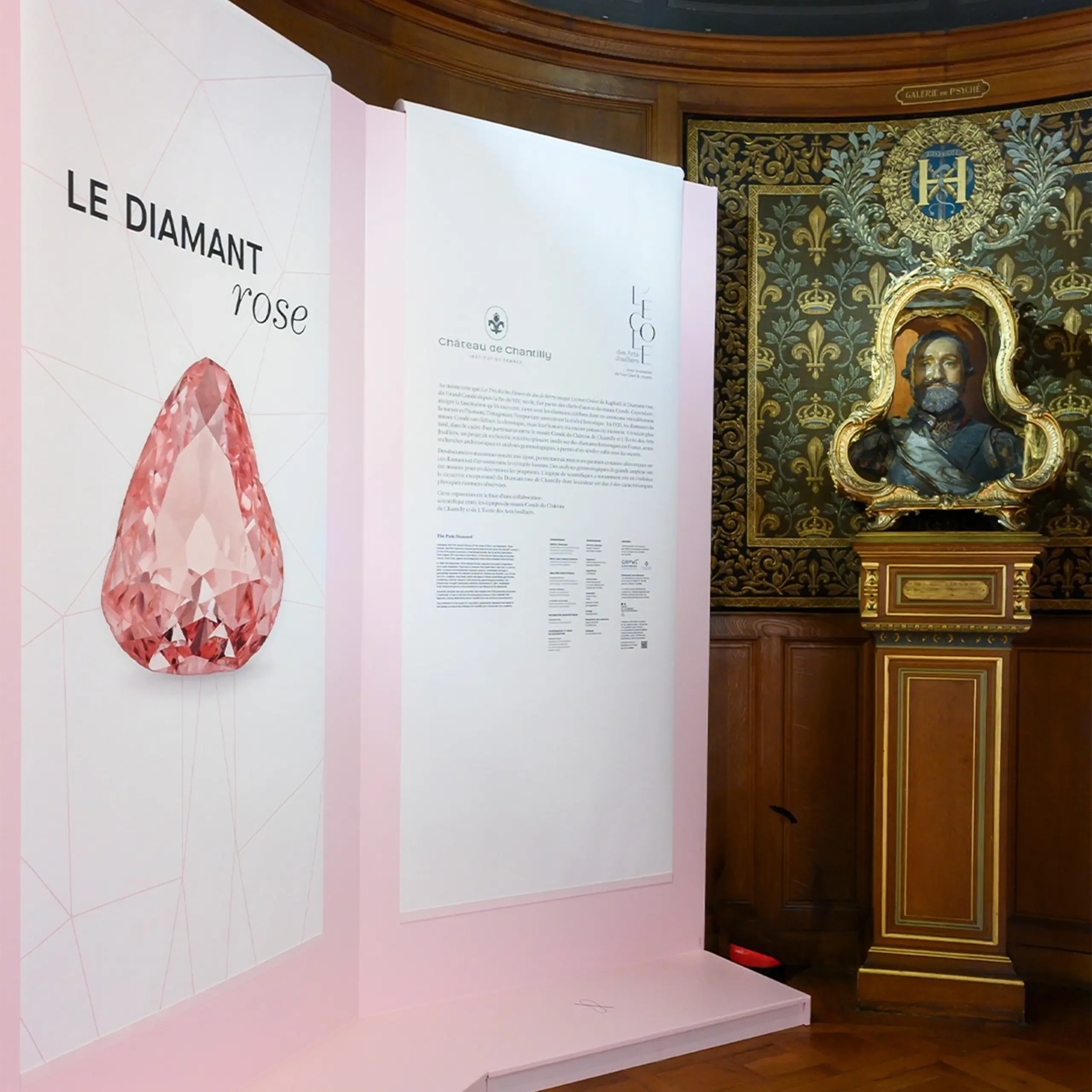
Now on Show at Chantilly: The Curious Case of the Grand Condé Pink Diamond
“A hotel chambermaid, biting into an apple taken from a guest’s suitcase, discovers the pink diamond stolen from Chantilly.” So ran the headline in Le Petit Parisien, one of France’s leading daily newspapers, on 21 December 1926, bringing one of the most audacious jewellery heists of the 20th century to the most unlikely of conclusions. Two months earlier, thieves had broken into the Château de Chantilly, north of Paris, escaping with a collection of historic jewels that included the Grand Condé, a 9.01-carat pink diamond with a history stretching back through generations of French royalty. Now, a century after it was last seen in public, the diamond is back on display at the château from which it was stolen.
Housed within the Château de Chantilly, the Musée Condé is hosting ‘Le Diamant Rose’ (‘The Pink Diamond’), a new exhibition that explores the Grand Condé’s royal past, challenges long-held assumptions about its origins and reveals new discoveries about its colour and cut. Organised in partnership with L’ÉCOLE, School of Jewelry Arts, the exhibition brings together historical research and modern gemmology to shed new light on one of France’s most storied diamonds.
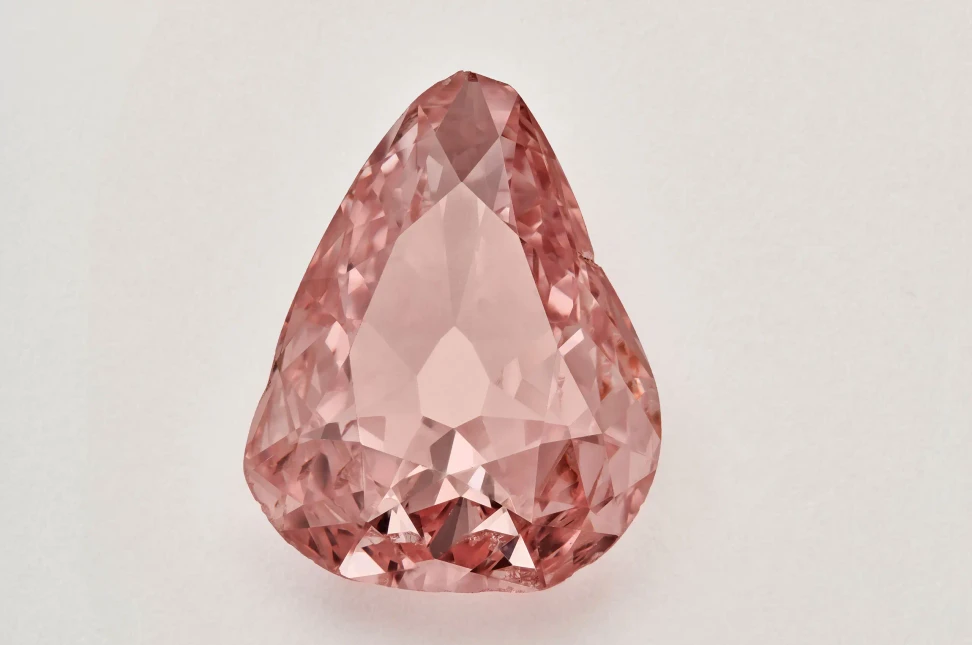
The 9.01-carat Grand Condé pink diamond is on public display for the first time in a century at ‘Le Diamant Rose’, an exhibition at the Château de Chantilly
The Great Chantilly Diamond Heist
On the night of 12 October 1926, two cousins, Léon-Émile Kauffer and Émile Souter, crossed the moat surrounding the Château de Chantilly and made off with a collection of historic jewels. The theft caused a sensation, with Scotland Yard joining French police in the investigation. By the time the Grand Condé diamond was discovered hidden inside an apple in a Paris hotel room in December, the thieves had already dismantled and sold many of the other stolen jewels. That the pink diamond was recovered at all was a miracle.
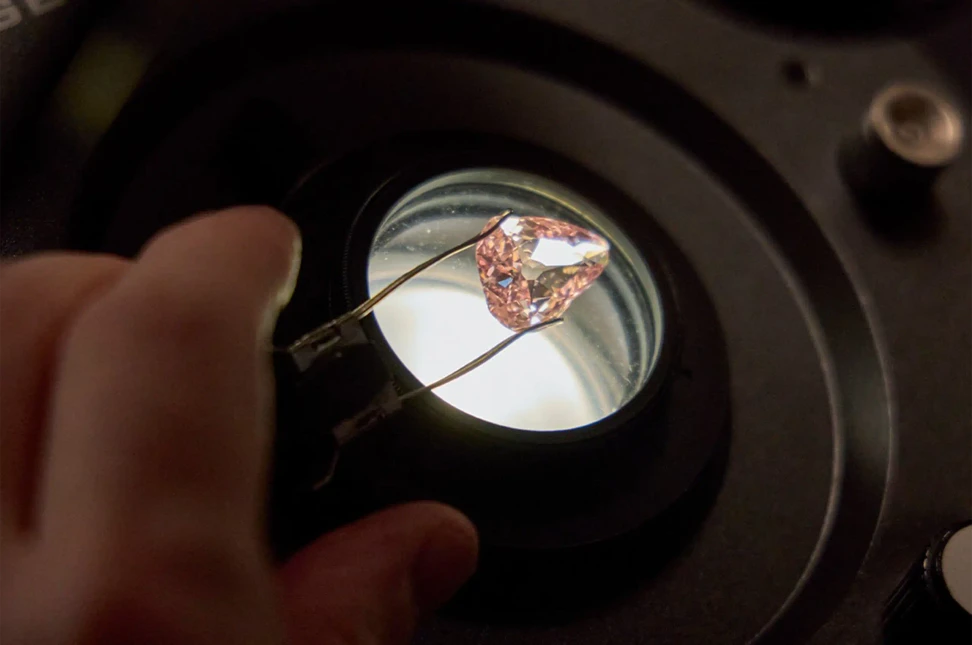
The Grand Conté pink diamond being examined by a gemmologist
The Prince and the Pink Diamond
The Grand Condé pink diamond takes its name from Louis II de Bourbon, Prince of Condé (1621-1686). One of France’s greatest military commanders, the prince was just 21 when he defeated the Spanish at the Battle of Rocroi in 1643. The diamond is said to have been a gift from Louis XIV, although there is no evidence that the king ever presented it to him, or even that the prince owned it. The earliest documented reference to the diamond dates to 1740, when it appeared in an inventory of jewels belonging to Louis Henri de Bourbon, the Grand Condé’s great-grandson.
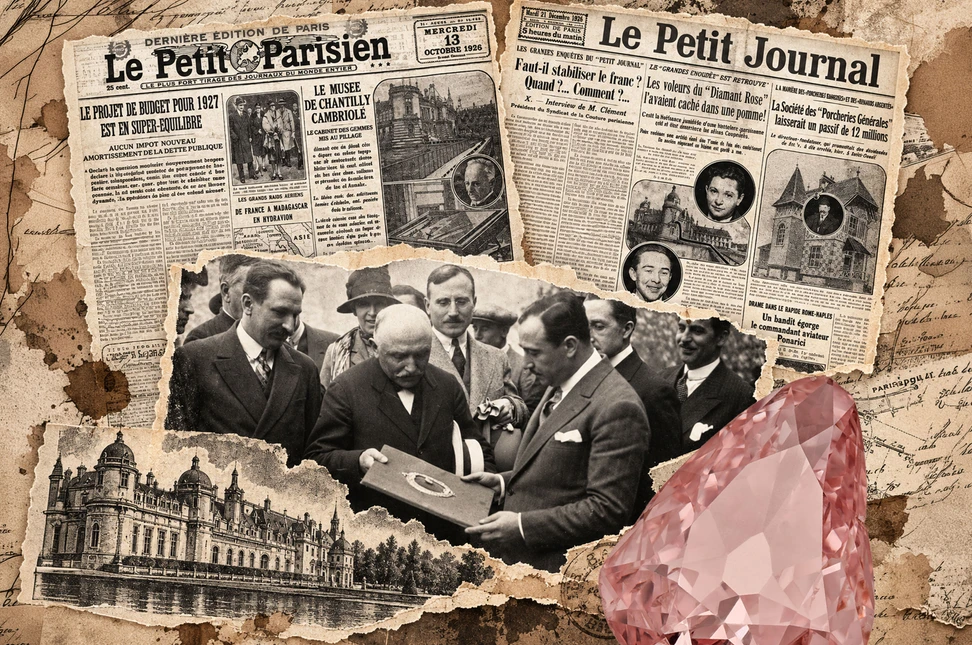
A collage of archival newspaper front pages reporting on the 1926 Chantilly diamond theft, with a photograph documenting the Grand Condé diamond’s return to the château’s collections in 1928
At the time, the pink diamond adorned Louis Henri’s insignia of the Order of the Golden Fleece, alongside a rare green diamond. The insignia was subsequently dismantled and the pink diamond remounted as a ring. Its whereabouts during the French Revolution remain a mystery, but in 1833 it was acquired by Queen Marie-Amélie, wife of King Louis-Philippe of France. Following a series of family inheritances, it eventually passed to the Duke of Aumale, who bequeathed the Château de Chantilly and its magnificent collections, including the Grand Condé diamond, to the Institut de France in 1886.
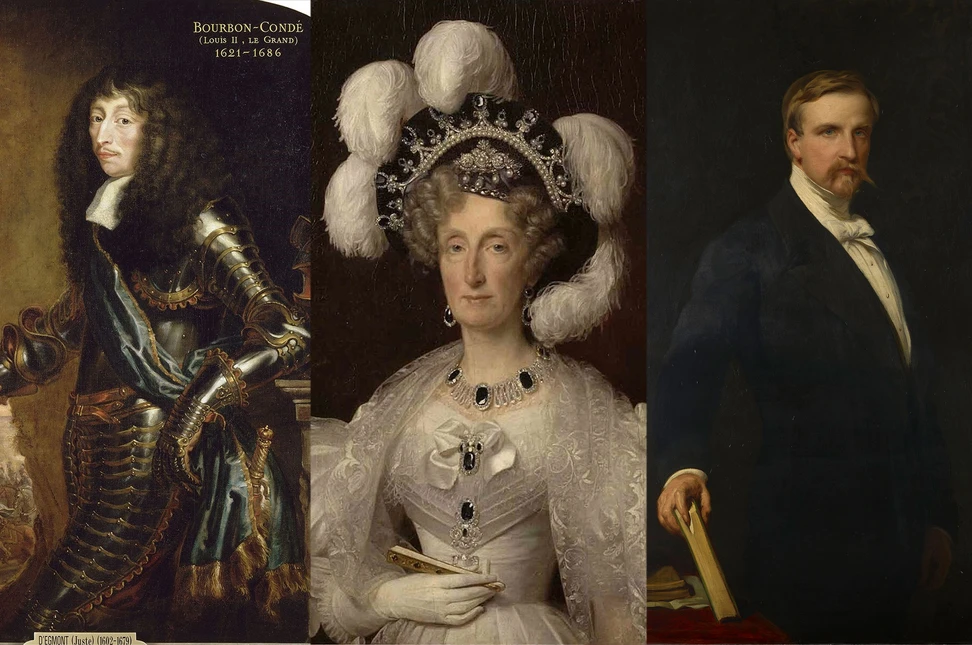
The Grand Condé pink diamond’s royal connections. From left: Louis II de Bourbon, Prince of Condé, its namesake; Queen Marie-Amélie and Henri, Duke of Aumale, both former owners
The Grand Condé Diamond Under the Microscope
By modern standards, the Grand Condé is an oddly shaped diamond. Its outline is asymmetrical and its proportions unusually flat, but there’s a perfectly good explanation for these imperfections. When the Grand Condé was cut centuries ago, preserving precious carats was more important than achieving the perfect symmetry prized today. Its cutter would have followed the natural shape of the rough stone, adding extra facets to its underside to bring more brilliance to its shallow form. Recent gemmological research also suggests that a natural weakness in the crystal influenced the diamond’s irregular outline.

The Château de Chantilly, outside Paris, was home to Louis II de Bourbon, the Grand Condé, after whom the famous pink diamond is named
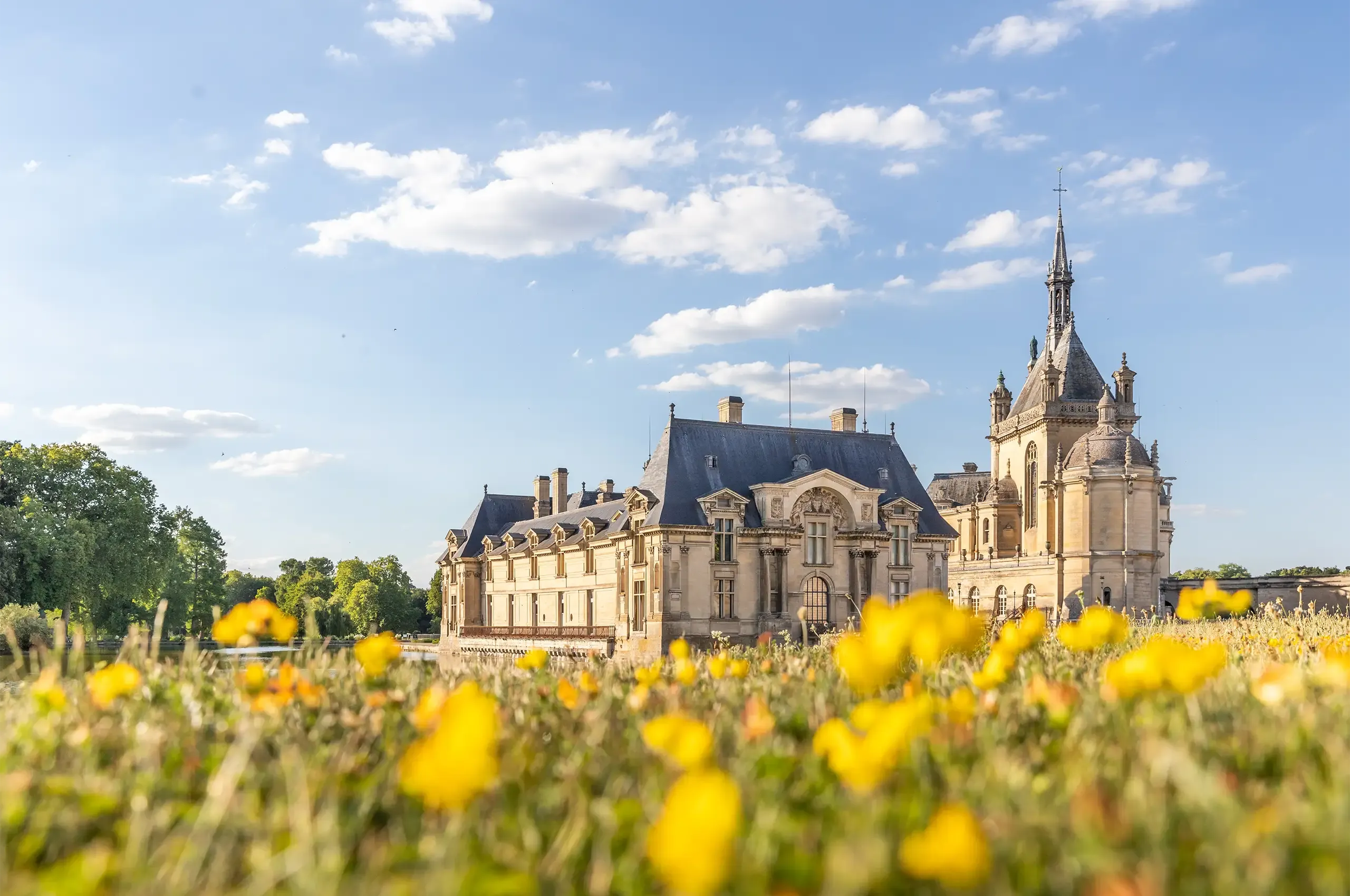
The Grand Condé pink diamond passed through generations of French royalty before eventually entering the collection of Henri, Duke of Aumale, at the Château de Chantilly

In 1886, the Duke of Aumale bequeathed the Château de Chantilly and its magnificent collections, including the Grand Condé pink diamond, to the Institut de France

On the night of 12 October 1926, two thieves crossed the moat surrounding the Château de Chantilly and escaped with the Grand Condé pink diamond and other historic jewels
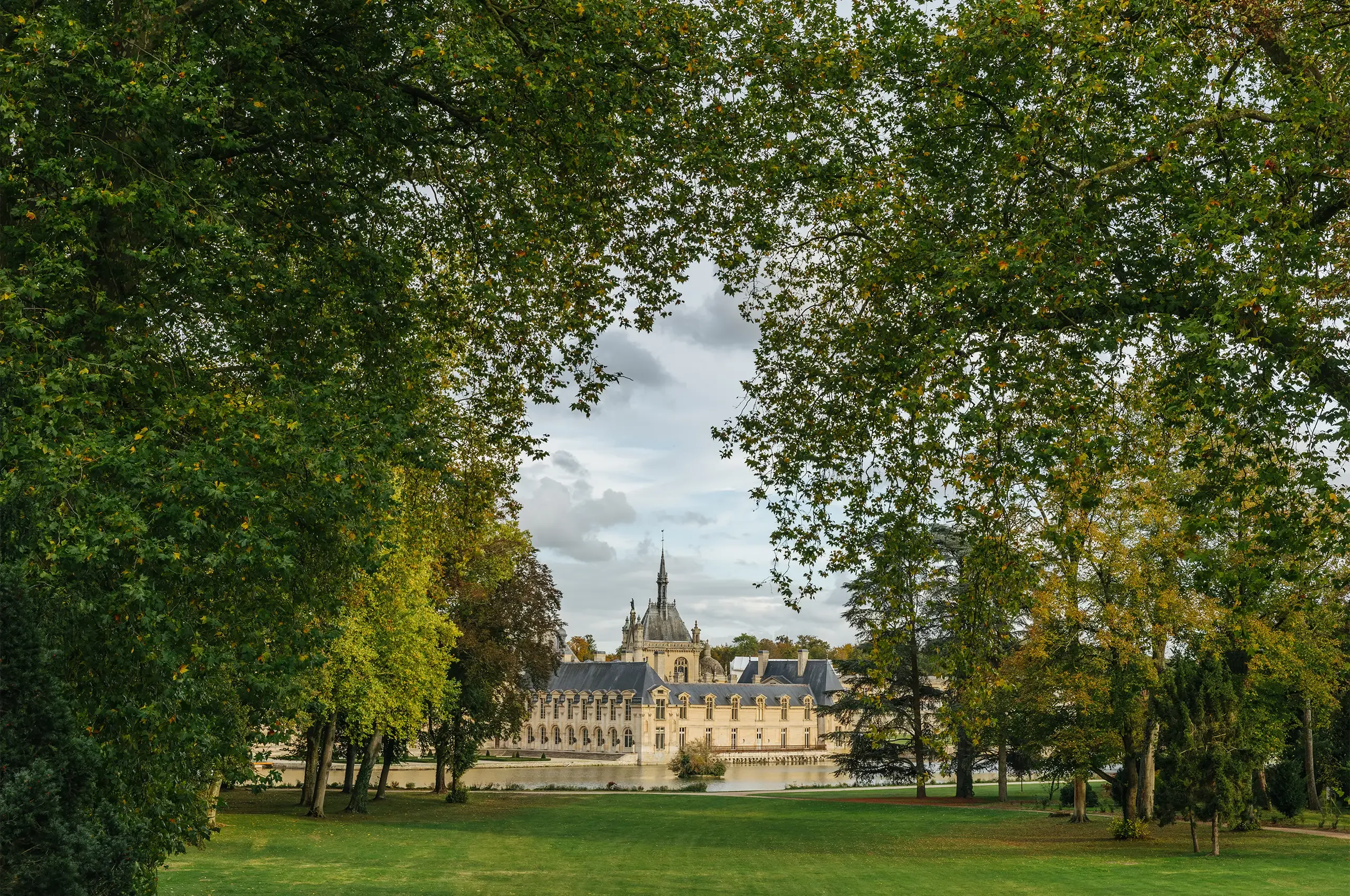
A century after its theft, the Grand Condé pink diamond is back on public display at the Musée Condé, housed within the Château de Chantilly, for the exhibition ‘Le Diamant Rose’
The Grand Condé’s pink colour is remarkably uniform, with a hint of orange. Scientists have established that the vast majority of natural pink diamonds owe their colour to distortions within their crystal structure, although precisely how these produce the colour remains incompletely understood. In a 2005 study, gemmologist Marie-Hélène Quellier suggested that the diamond would be classified as Fancy Orangy Pink today.
As for its origins, the Grand Condé is often cited as having come from India’s legendary Golconda diamond mines, although neither historical records nor modern gemmological testing have been able to confirm this. Almost three centuries after its first recorded appearance, there are still questions about the Grand Condé that research has yet to answer.
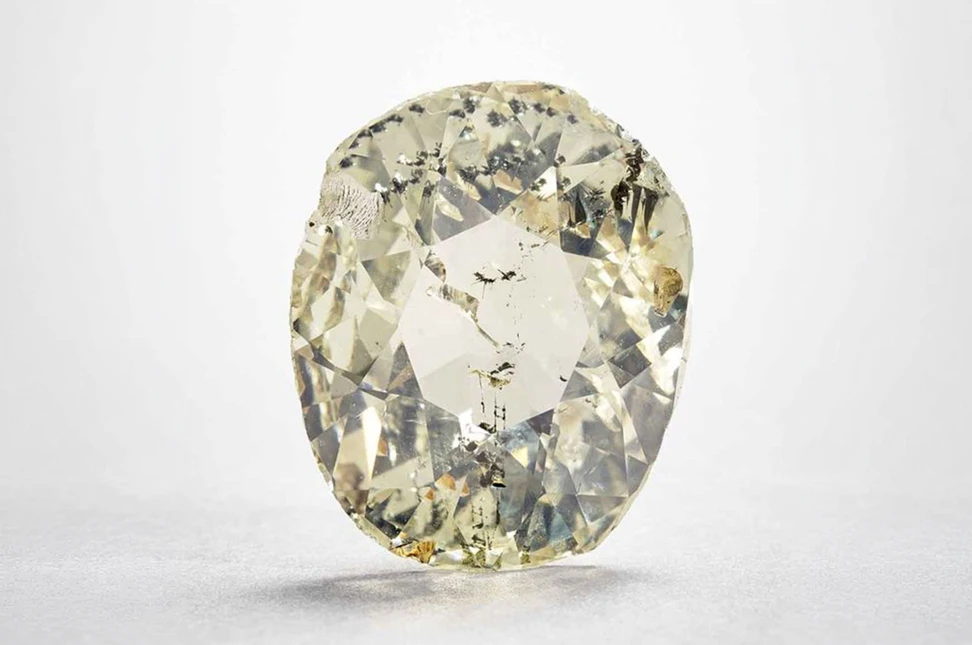
The 14.50-carat Jonquille de Chantilly yellow diamond, displayed alongside the Grand Condé at the ‘Le Diamant Rose’ exhibition
The Grand Condé is not the only historic diamond with royal connections featured in ‘Le Diamant Rose’. Displayed alongside it is the Jonquille de Chantilly, a 14.50-carat yellow diamond believed to have belonged to Louis de Bourbon, Duke of Penthièvre, a descendant of Louis XIV.
Although the Grand Condé was returned to the Musée Condé in 1928, a replica has until now been displayed in its place. One hundred years after the robbery that made headlines around the world, visitors can finally admire the real pink diamond for themselves.
’The Pink Diamond’ exhibition is at the Musée Condé, Château de Chantilly, until 3 January 2027.


WORDS
Claire Roberts has been writing about jewellery and watches for more than 20 years. She is a seasoned journalist who joined the team 5 years ago as a contributing writer and a newsletter editor.
RelatedArticles
Discover the brand: the story from various angles.