Private Lives: A Closer Look at the Chanel Signes & Symboles High Jewellery Collection
Chanel has spent nearly a century returning to the same motifs, shapes, and symbols, and its new High Jewellery collection, Signes & Symboles, is a celebration of these recognisable stylistic codes. During Haute Couture Week in Paris earlier this month, I enjoyed a tour of the new 85-piece collection and was given some extra details about their deeper meanings. Let’s take a closer look…
Earlier this month, walking through the presentation of the latest Chanel High Jewellery collection, Signes & Symboles, in Paris, I learnt a great deal about the private life of the House’s founder Gabrielle ‘Coco’ Chanel.
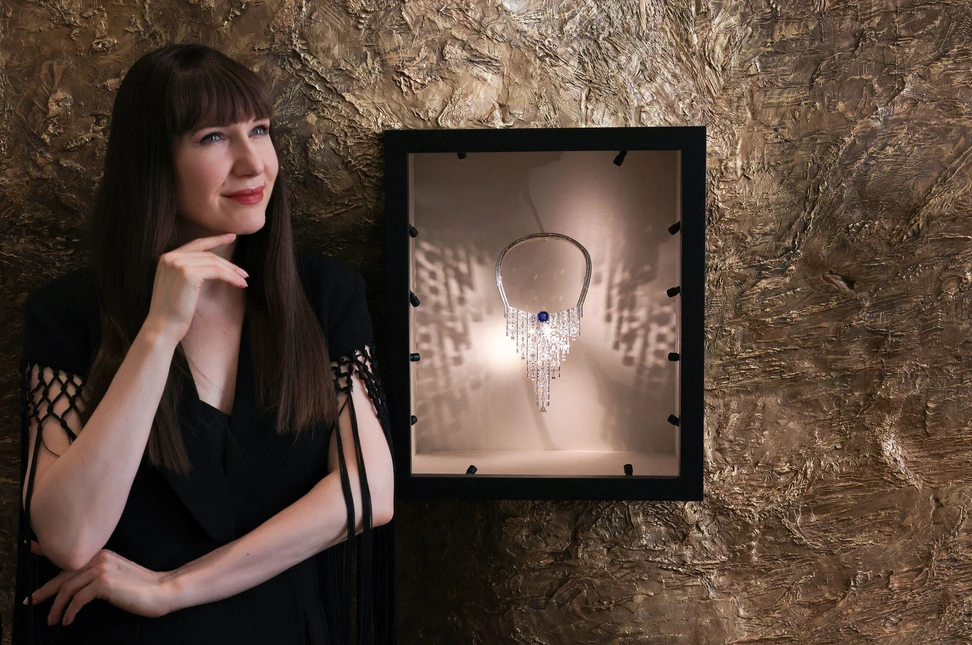
Chanel Imprimé Lion necklace in white gold and rose gold, set with diamonds and sapphires
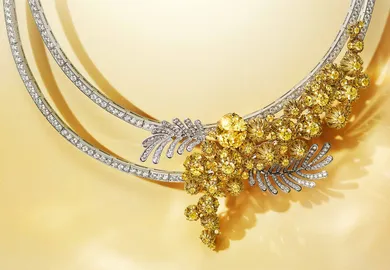
Every motif in the room could be traced back to something specific in her life, whether that’s the comets that streaked the night sky above the Aubazine orphanage where she grew up, the stars set into the abbey’s cobblestones, the white camellia flower she borrowed from men’s tailoring, the lion of her birth sign or the Mediterranean sun she loved so much. “My jewellery represents an idea,” she once said, and this collection is built around that concept rather than any sort of trend.
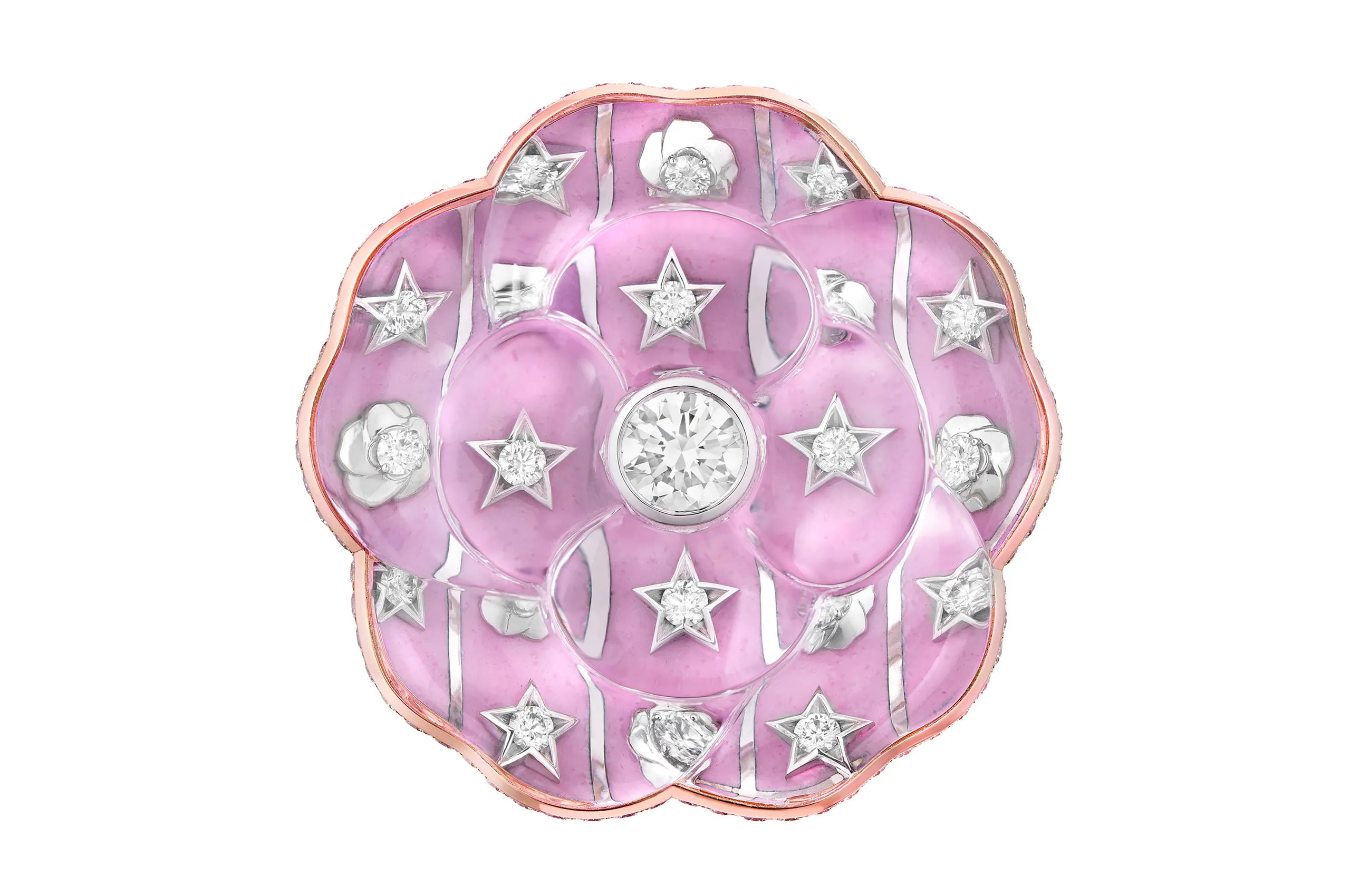
Chanel Symbole Camélia rose brooch in white gold and rose gold, set with diamonds, rock crystal and enamel
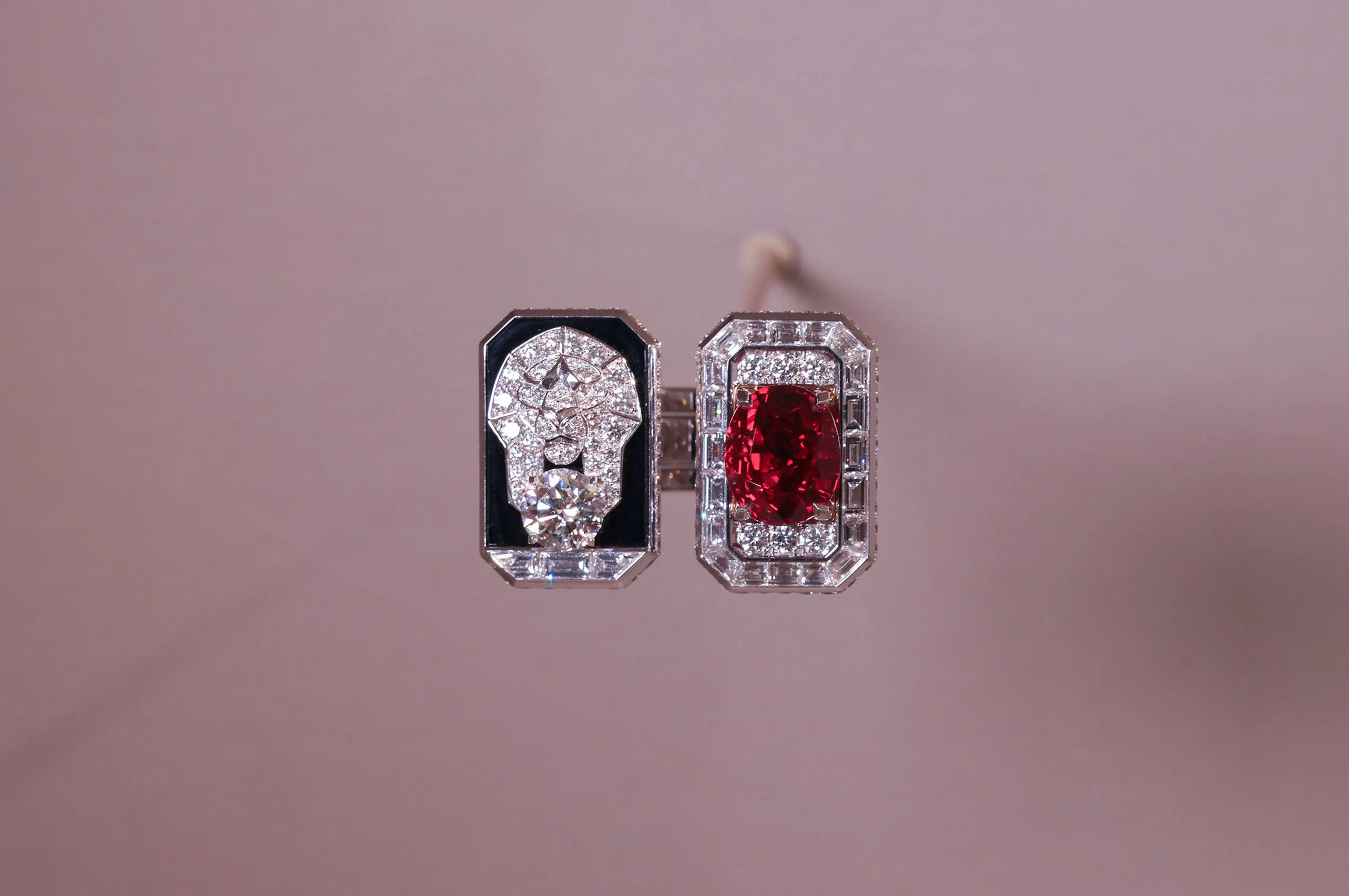
Chanel Lion Millénaire ring in white gold, rose gold and platinum, set with diamonds, ruby and onyx
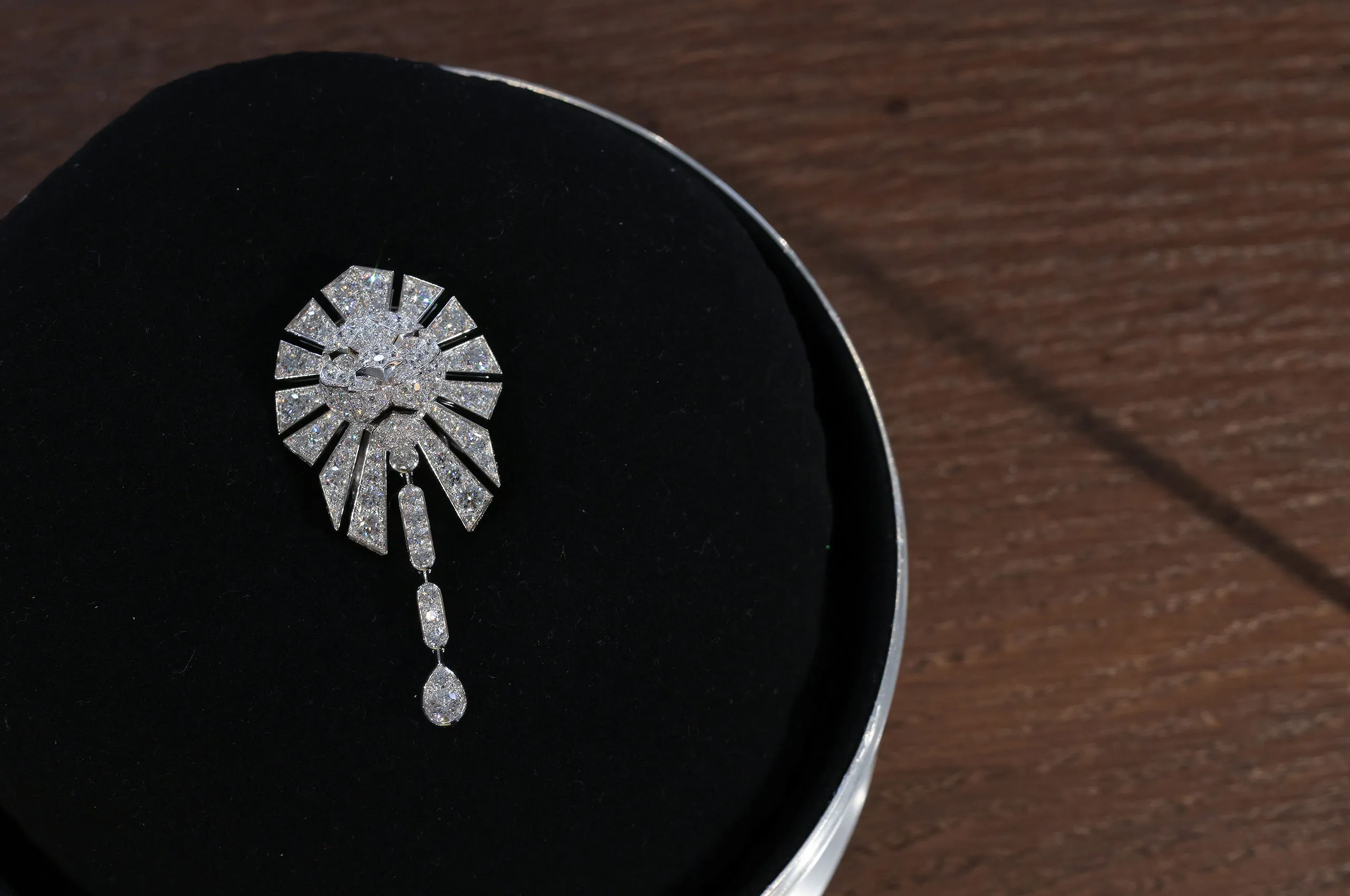
Chanel Lion Rayonnant brooch in white gold, set with diamonds
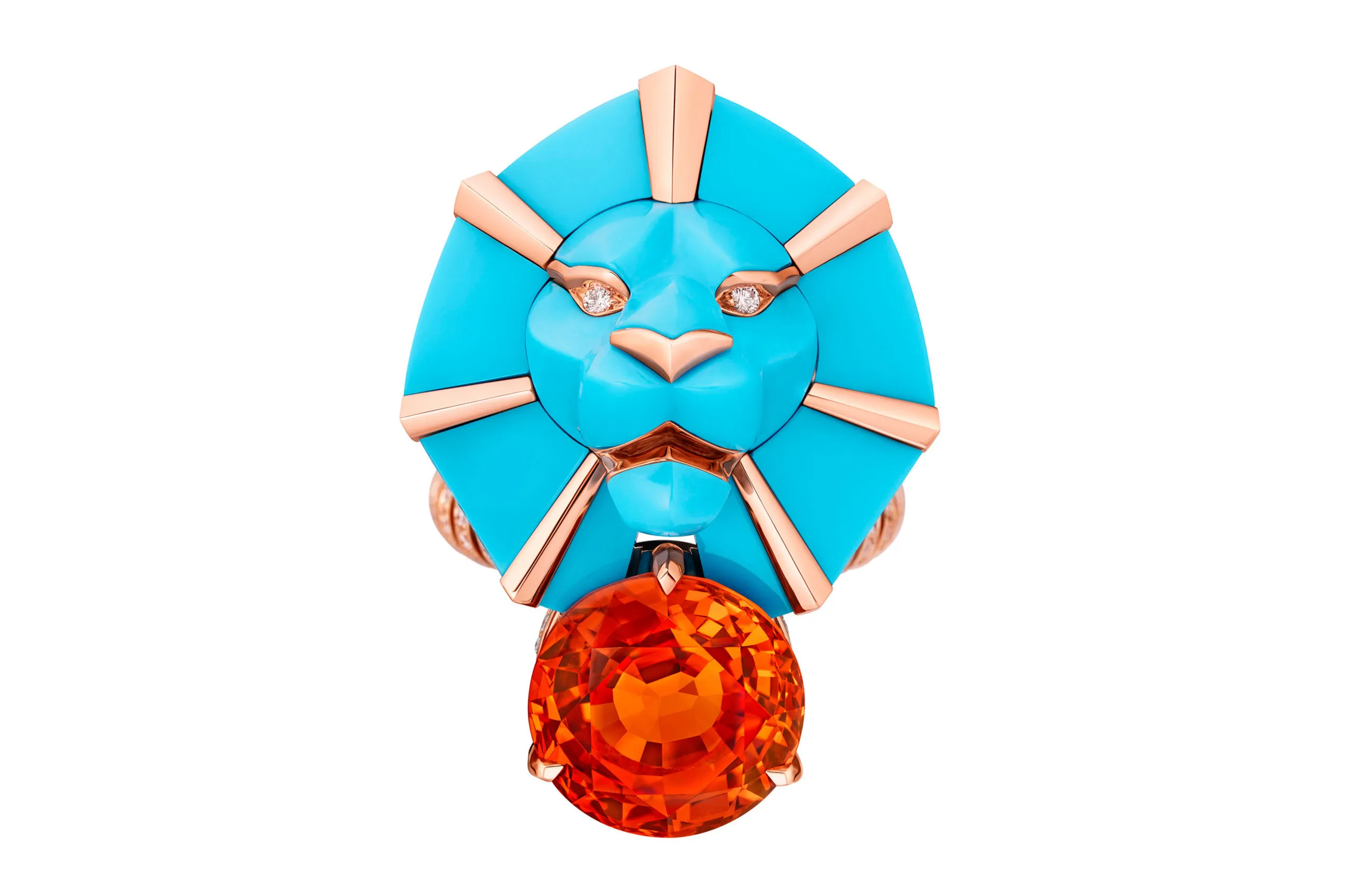
Chanel Symbole Emblématique ring in rose gold, set with diamonds, spessartite garnet and turquoise
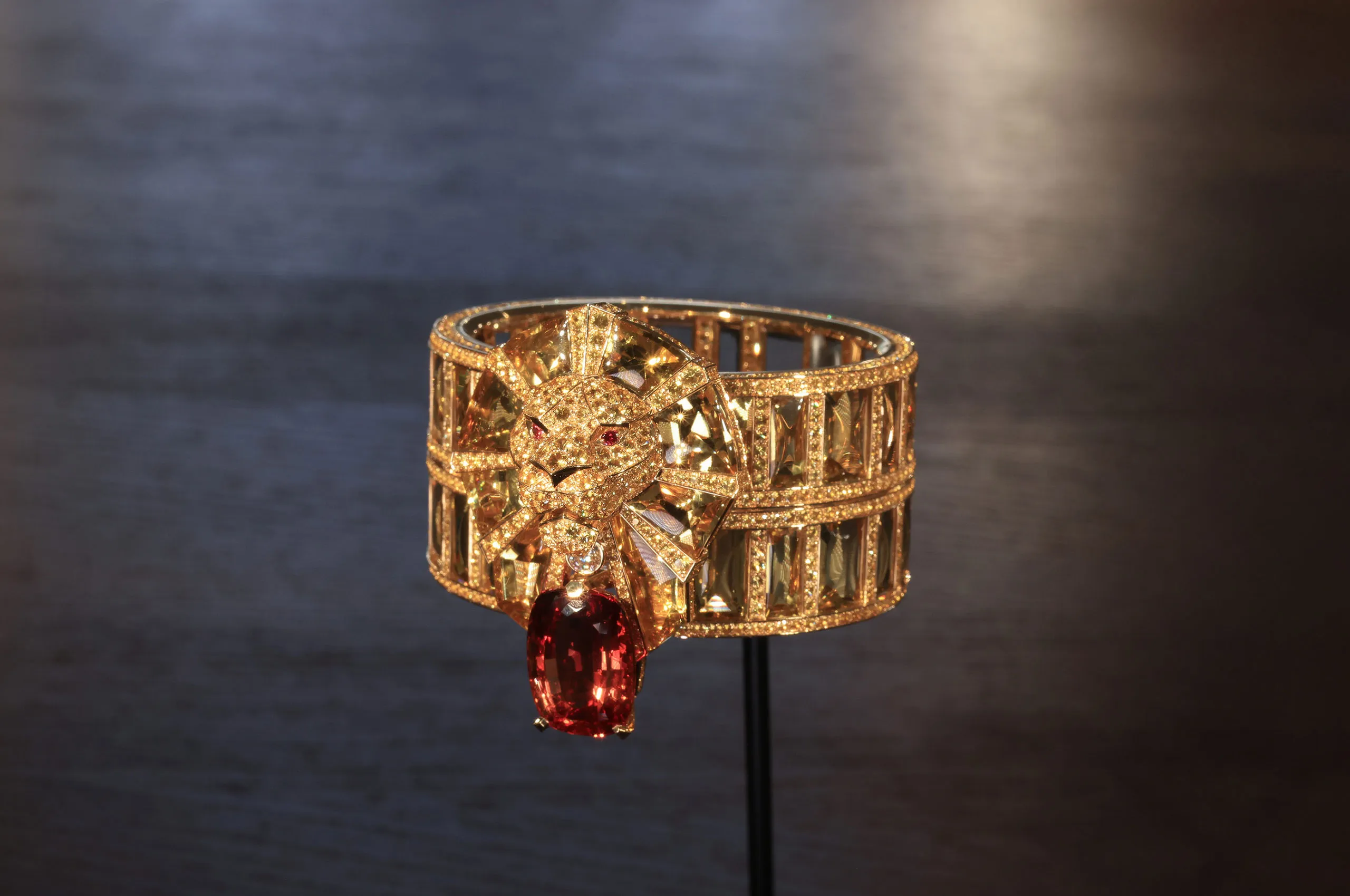
Chanel Lion Topaze bracelet in yellow gold, set with diamonds, yellow sapphires, beryls, imperial topaz and orange spinels
It's a natural next step for the House. Last year’s Reach for the Stars collection worked through many of these same motifs but kept them separate, spread across three distinct chapters named Comet, Wings and Lion. Both collections also return to the same source, Bijoux de Diamants, Gabrielle Chanel’s first and only high jewellery collection from 1932, and the wellspring the Chanel Fine Jewelry Creation Studio keeps returning to. Signes & Symboles goes a step further, bringing the camellia, star, sun and lion together within a single collection for the first time.
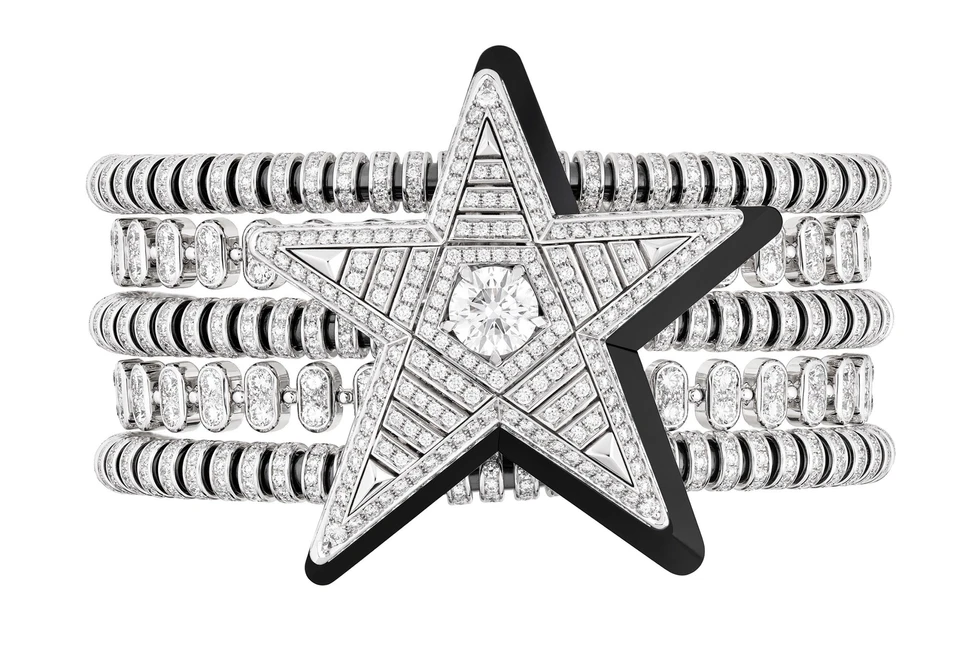
Chanel Talisman Contrasté bracelet in white gold, set with diamonds, onyx and black ceramic
Signes & Symboles is structured across four chapters, each one built around a different way of using Gabrielle Chanel’s private symbols: Les Imprimés, which treats the camellia, star and sun as repeating patterns; Le Lion Emblématique, dedicated entirely to the lion; Les Bijoux Talismans, inspired by the protective charms Chanel collected throughout her life; and Les Symboles, the collection’s most colourful chapter, which brings all four motifs together.
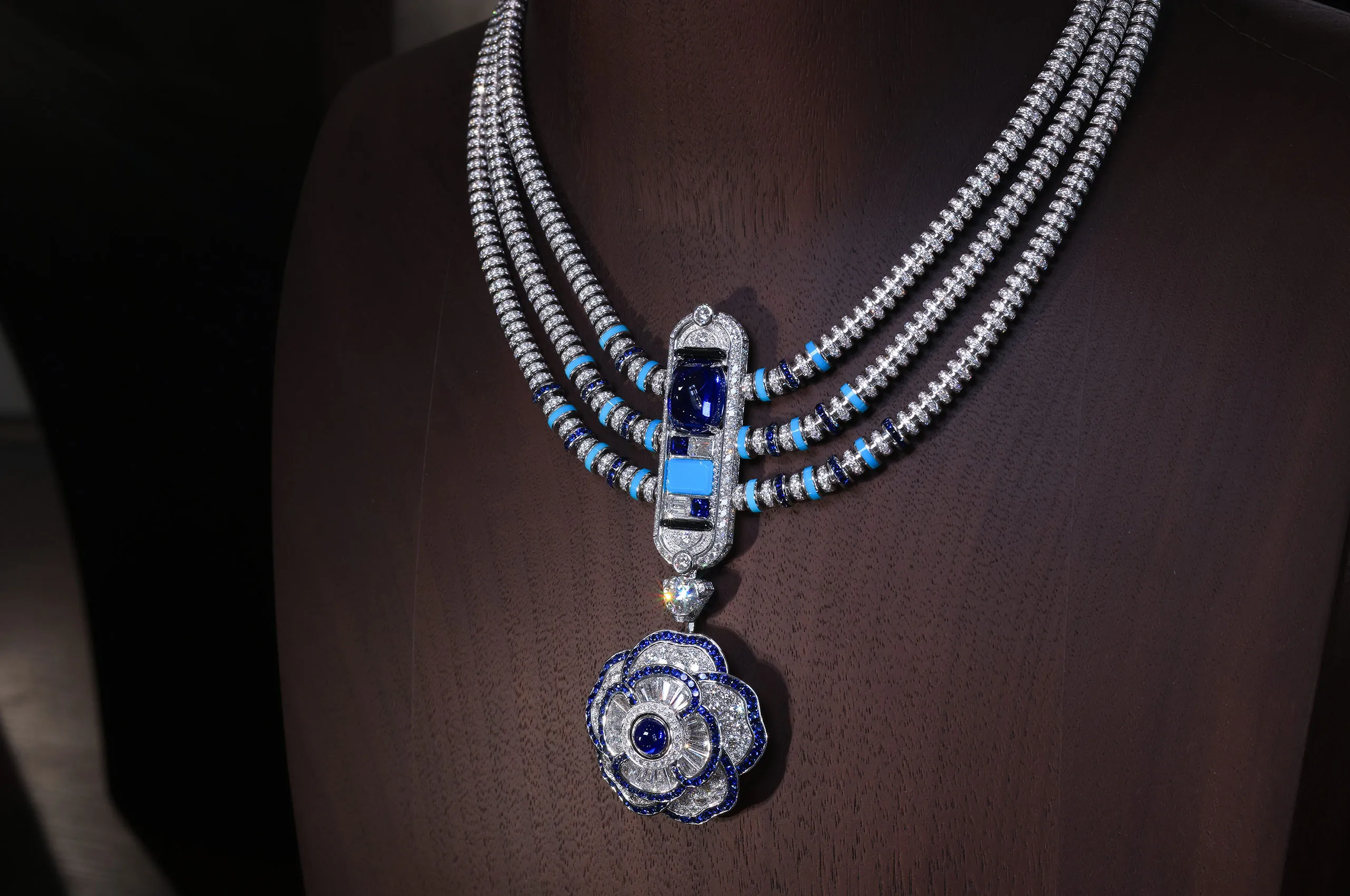
Chanel Symbole Saphir necklace in white gold, set with diamonds, sapphires, turquoise, onyx and black lacquer
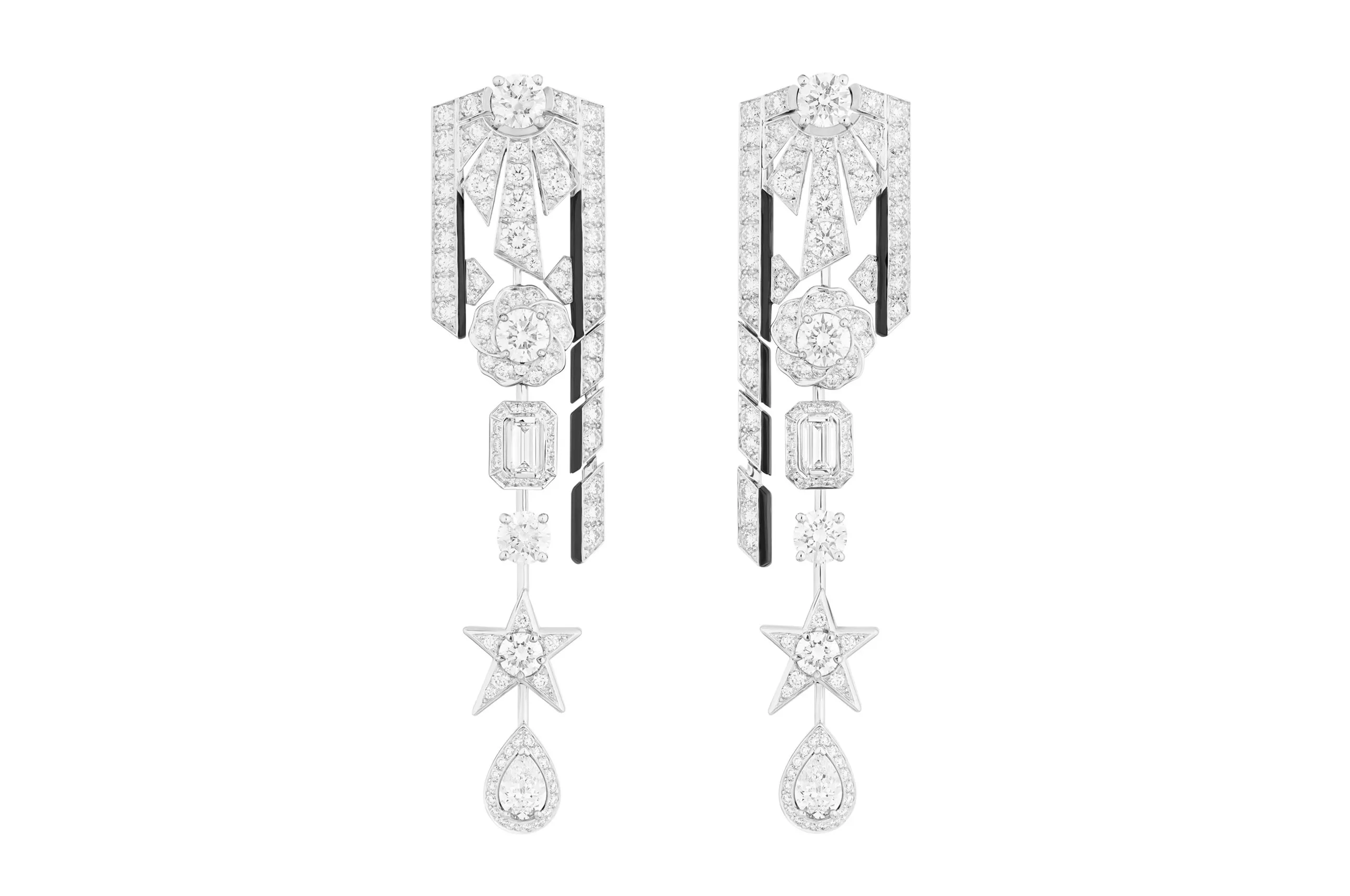
Chanel Imprimé Noir et Blanc earrings in white gold, set with diamonds and black lacquer
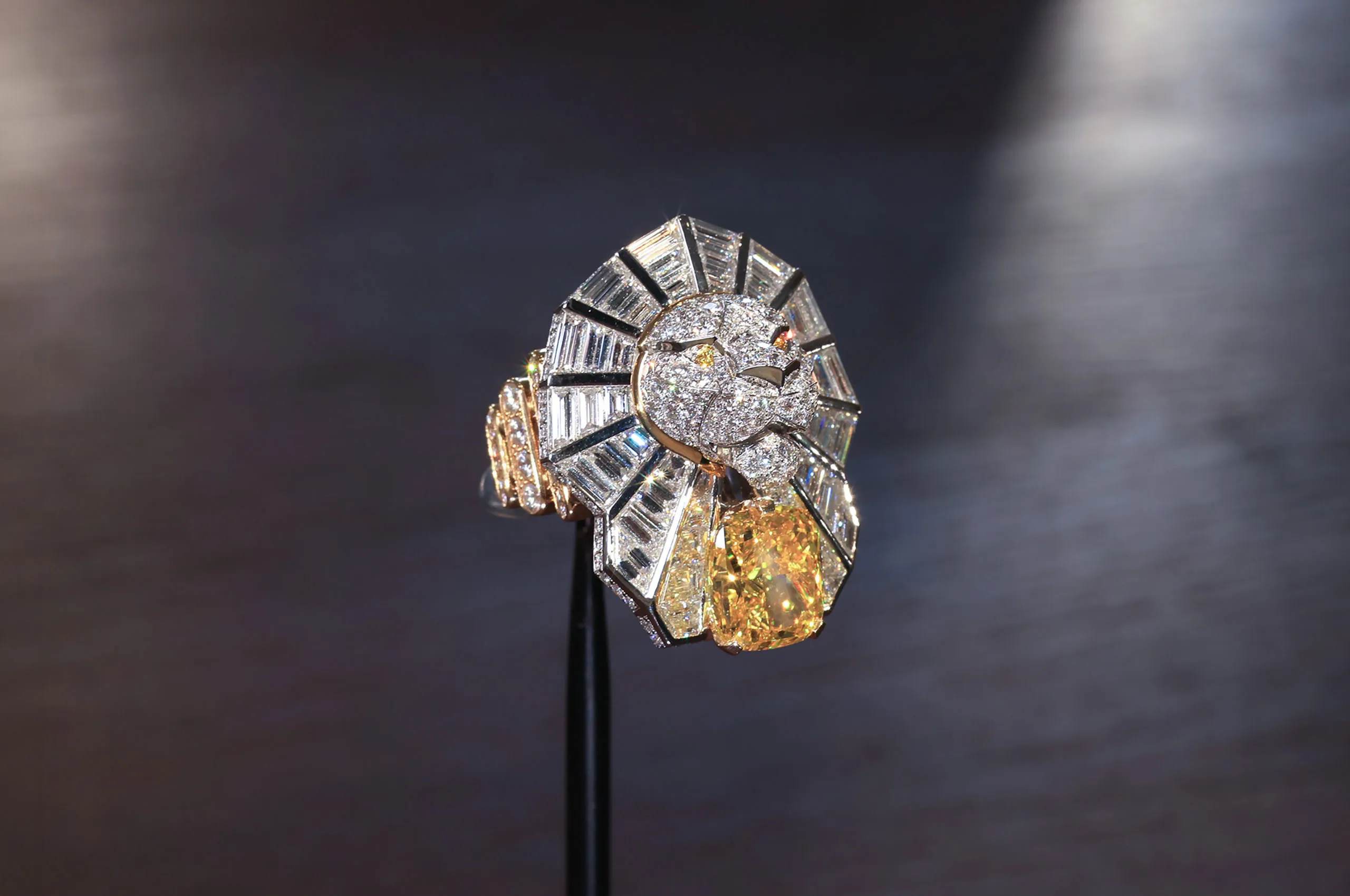
Chanel Lion Puissant ring in platinum, yellow gold and white gold, set with diamonds and yellow diamonds
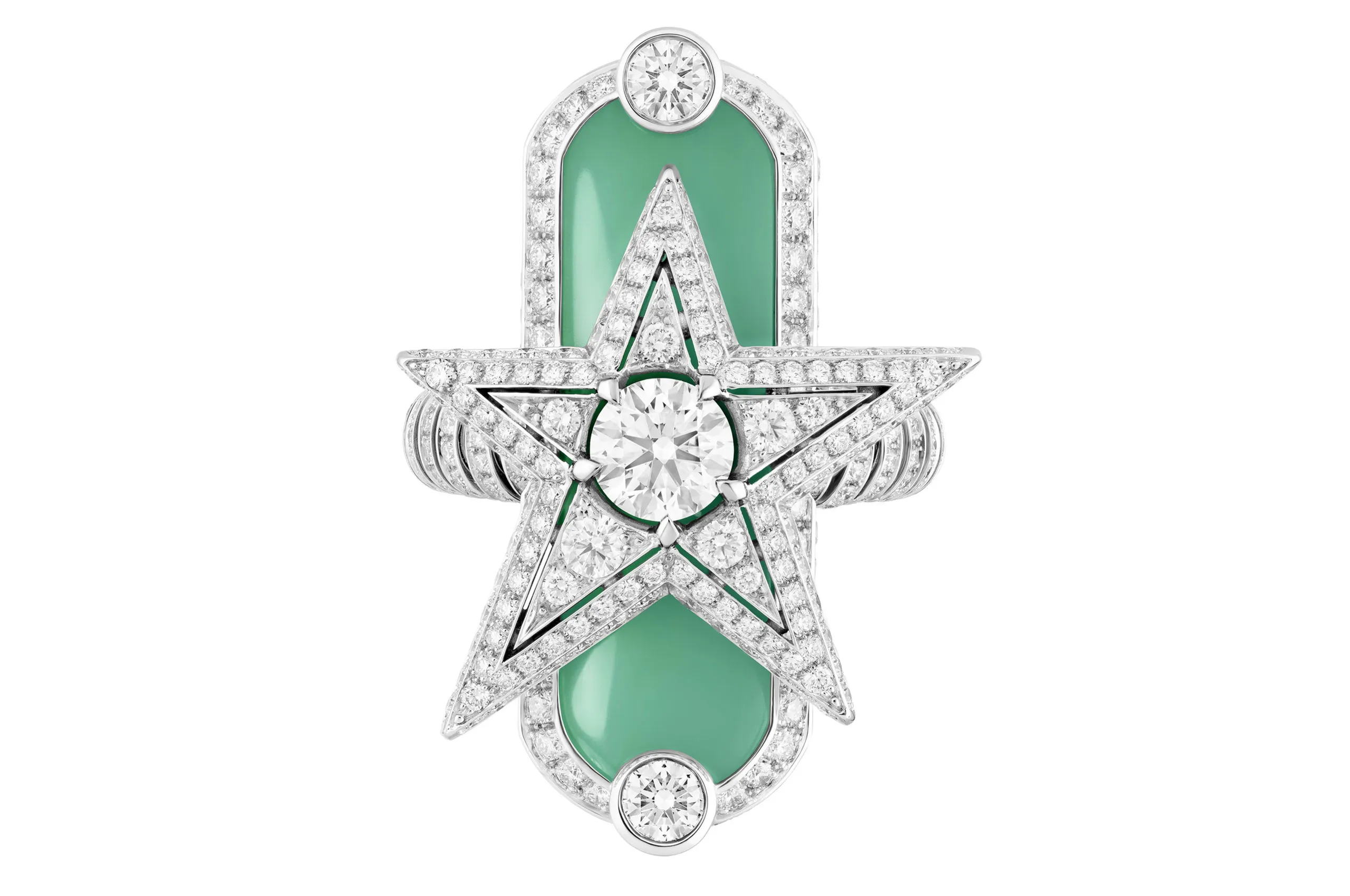
Chanel Talisman Gabrielle ring in white gold, set with diamonds and chrysoprase
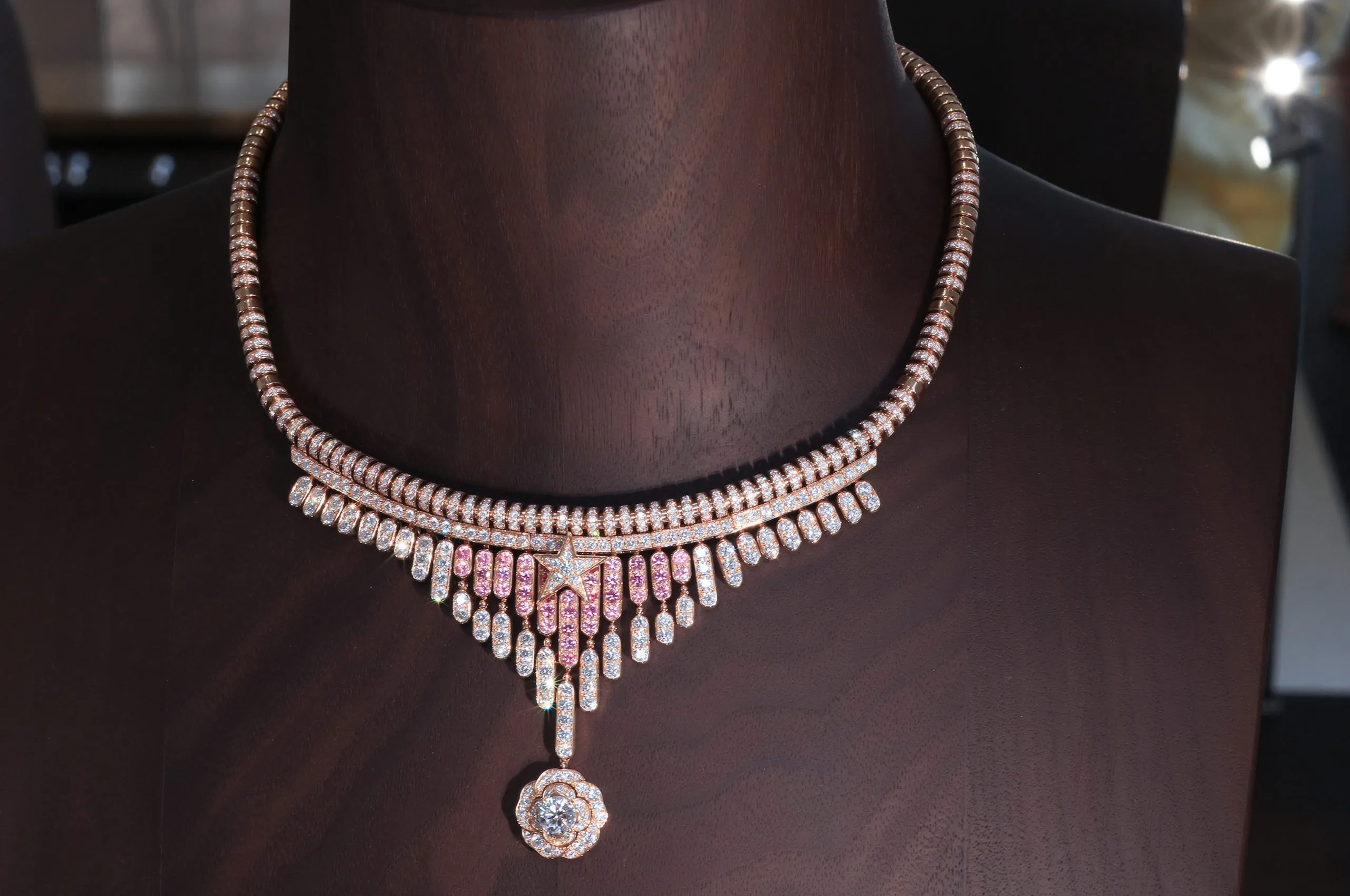
Chanel Symbole Camélia necklace in rose gold, set with diamonds and pink spinels
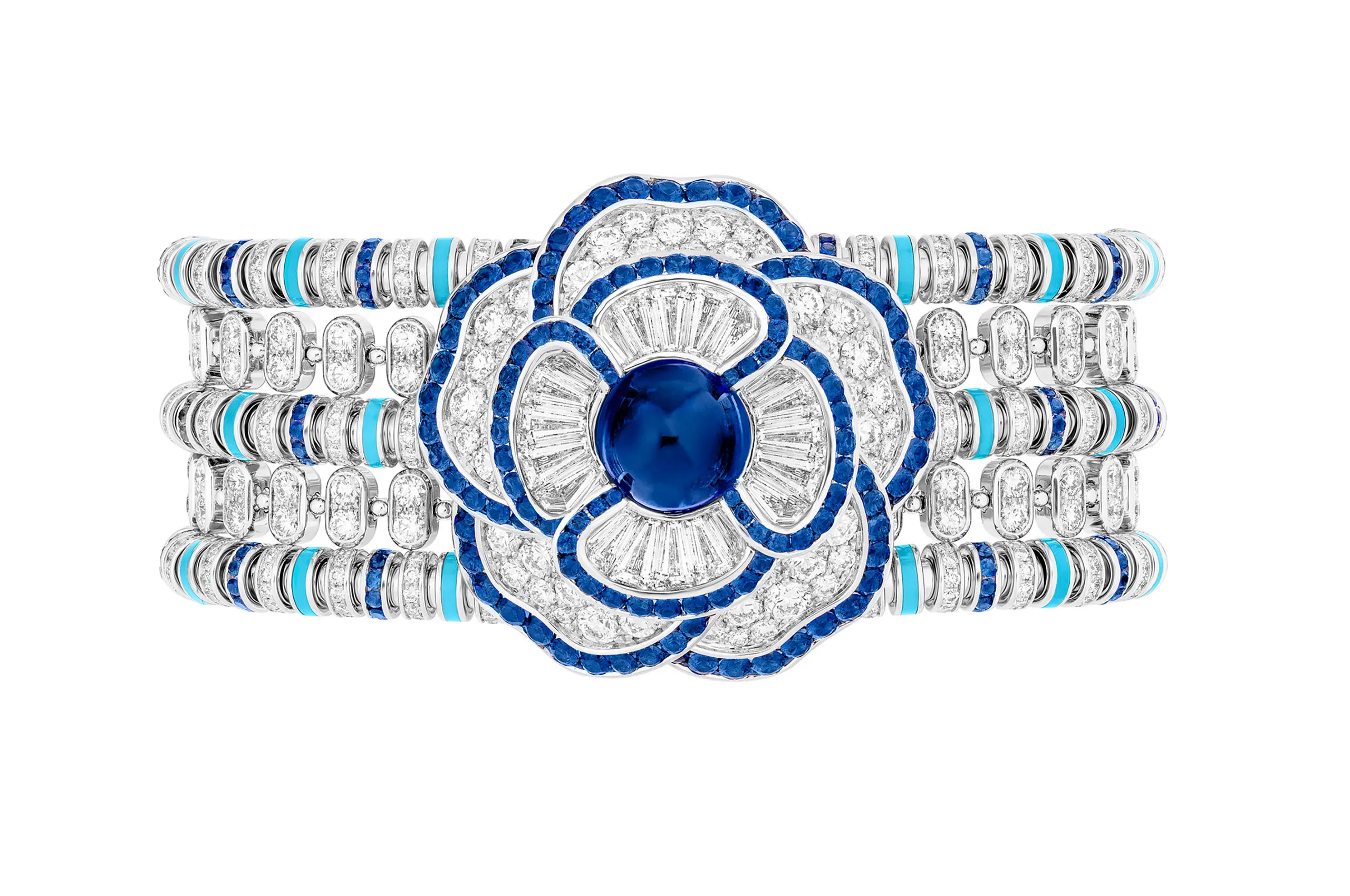
Chanel Symbole Saphir bracelet in white gold, set with diamonds, sapphires, turquoise and onyx
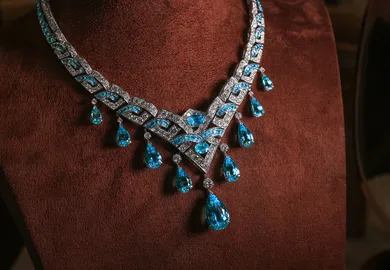
Within Les Imprimés, the camellia, star and sun appear first as repeating motifs, arranged in symmetrical lines across plastron and bandeau necklaces. The standout here, and by some distance the most complex piece in the whole collection to make, is the Imprimé Lion necklace. The lion joins the camellia, star and sun in a cascading V-shaped composition of diamonds set on delicate pink and white gold threads, anchored by a 20.66-carat octagonal-cut sapphire and a sculptural lion's head paved entirely in diamonds. It's a supple piece and seeing it in person, it moves with the body in a way its structure might not suggest.
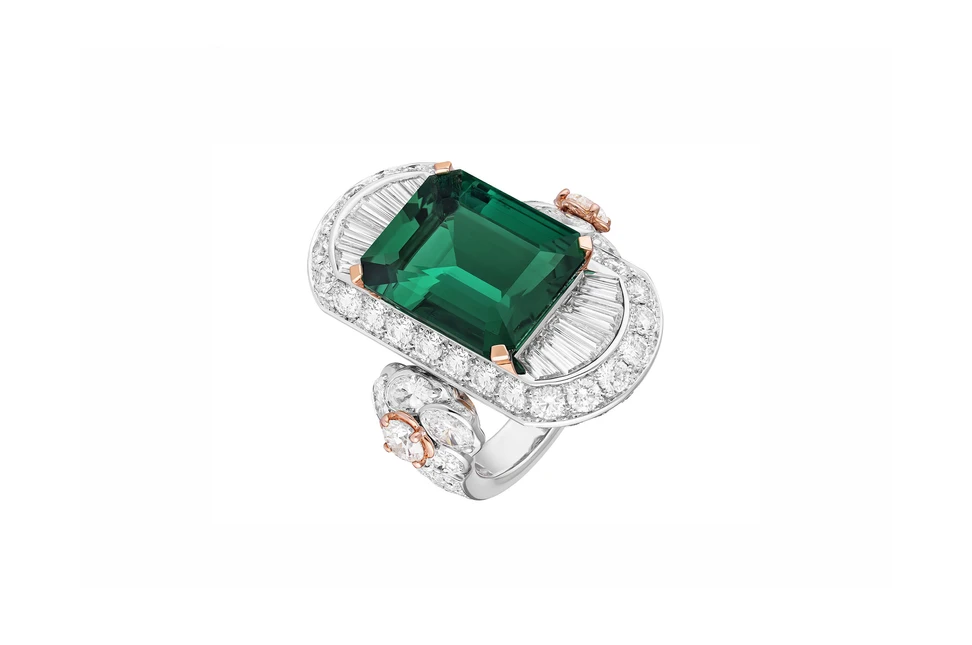
Chanel Imprimé émeraude ring in white gold and rose gold, set with diamonds and emerald
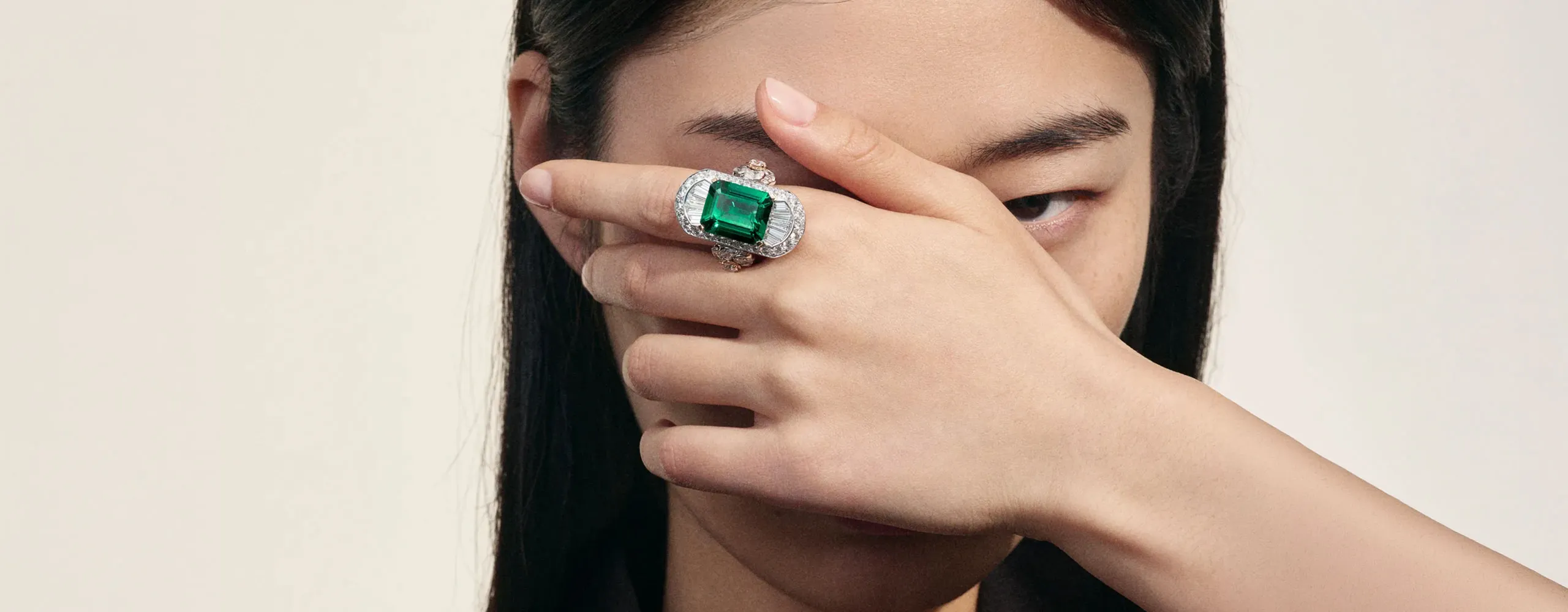
The chapter’s other standout is the Imprimé Émeraude ring, its exceptional 10.44-carat octagonal-cut emerald set at the centre of an oval base of diamonds, with two camellia motifs flanking either side of the ring. The emerald’s deep, saturated green is heightened by the crisp geometry of the baguette-cut diamonds that frame it, lending the composition a remarkable sense of depth and structure. Delicate touches of rose gold soften the brilliance of the setting, while the sculptural camellias bring a distinctly feminine counterpoint to the commanding central stone.
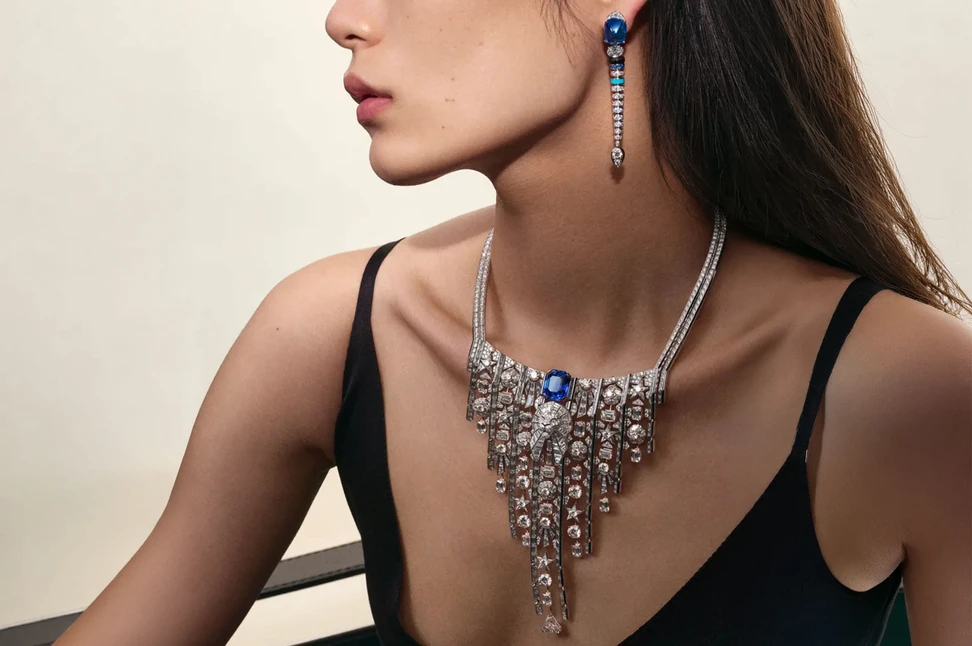
A model wears Chanel Imprimé Lion necklace in white gold and rose gold, set with diamonds and sapphire and Symbole Saphir earrings in white gold, set with diamonds, sapphires, turquoise and onyx
The lion then gets a chapter entirely to itself, a motif Chanel first brought into its high jewellery in 2012. Here, the big cat appears in profile as a diamond bas-relief, a design carved to stand out slightly from a flat surface rather than sit fully in the round. On the Lion Millénaire necklace, it's set against onyx and repeated on either side of an octagonal-cut 6.12-carat ruby.
The Lion Millénaire ring plays with the same contrast in miniature. One side shows an oval-shaped 9.41-carat ruby head trimmed in diamonds, the other a diamond lion's head worked in bas-relief on onyx, so the ring reads differently depending on which side faces out. My favourite piece in this chapter is a brooch, its diamond head given a fabulous mane of rubies, sapphires, turquoise and emeralds, held together by a delicate yellow gold cord.
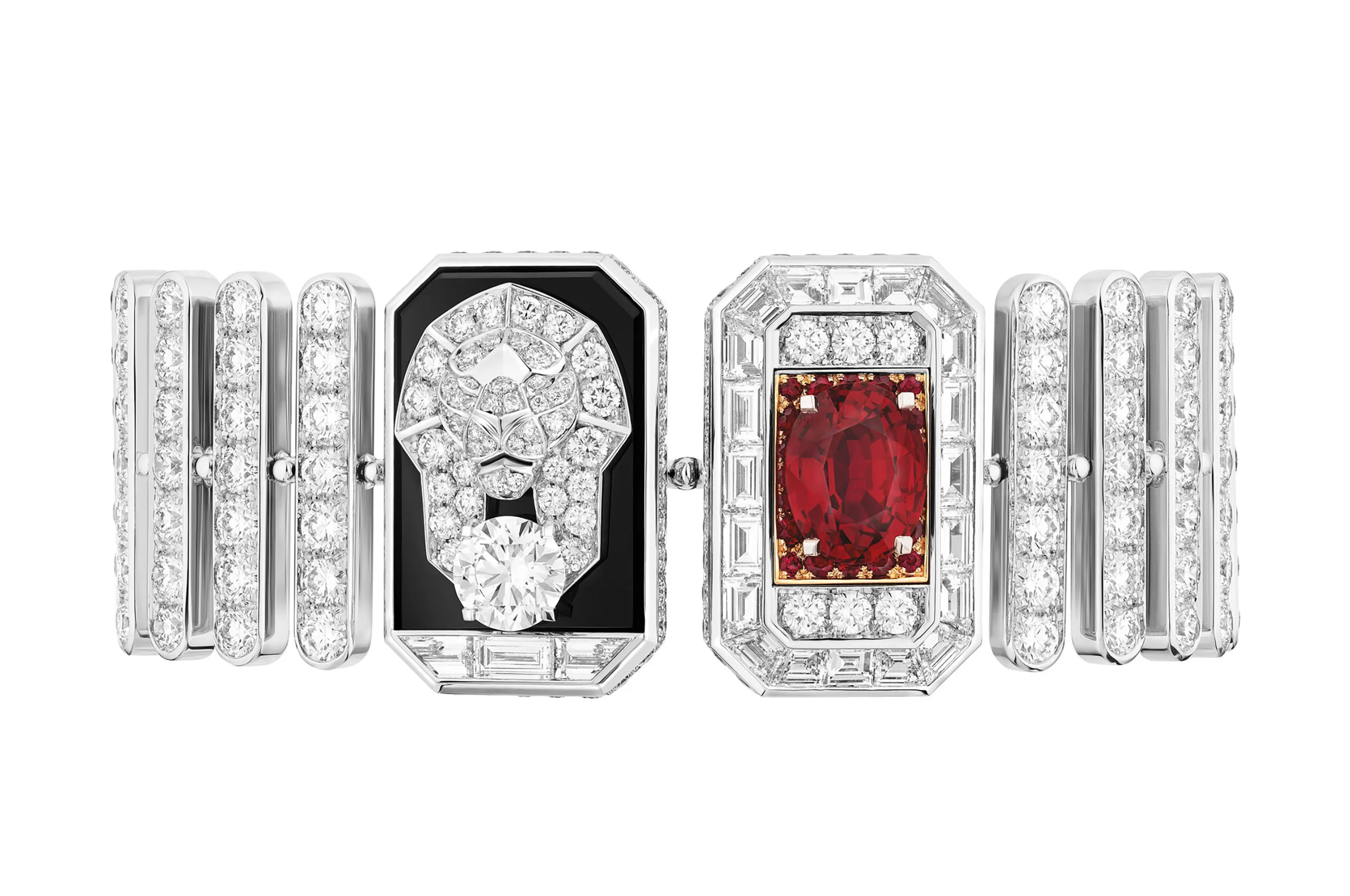
Chanel Lion Millénaire bracelet in white gold, rose gold and platinum, set with diamonds, rubies and onyx
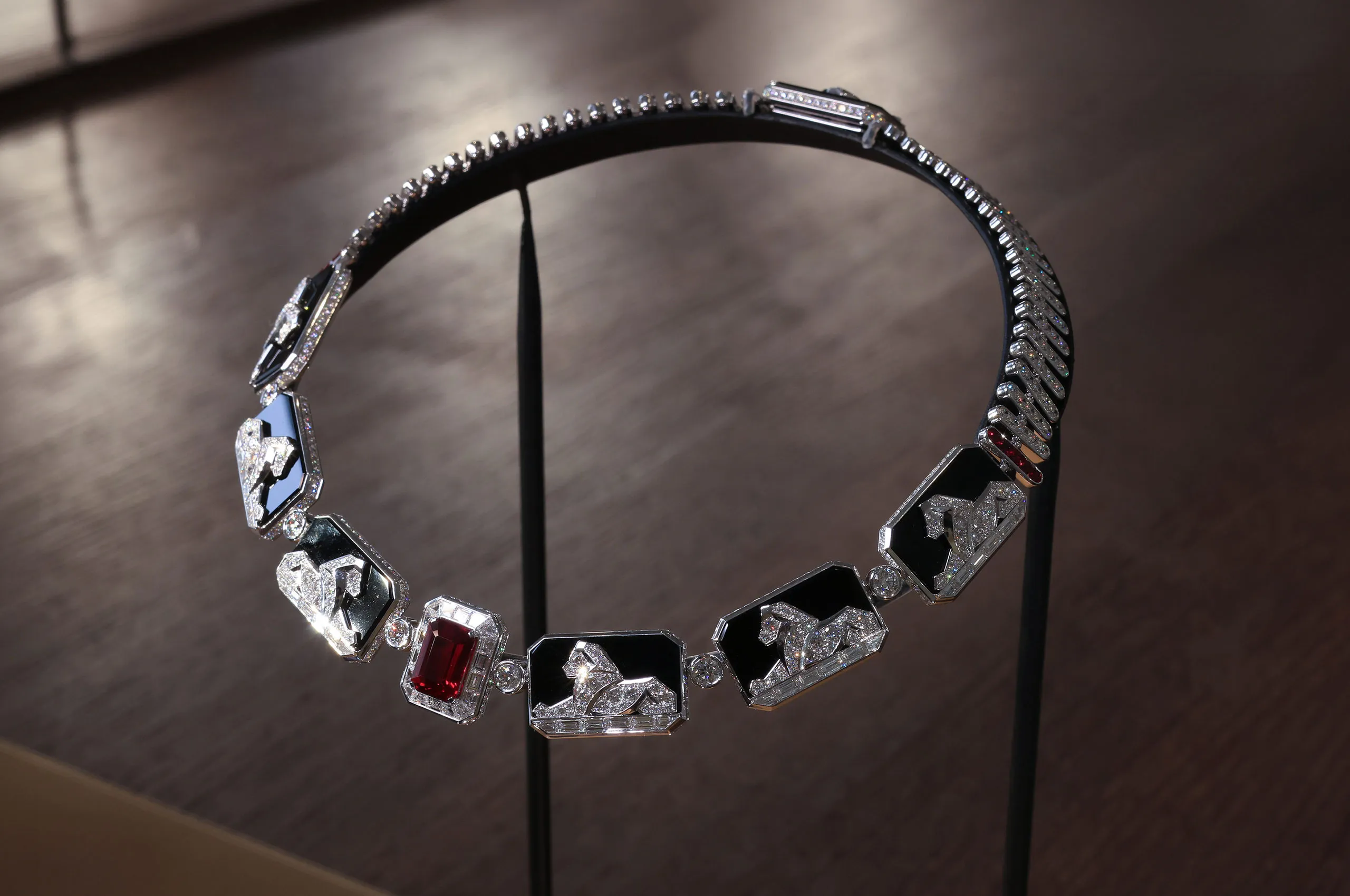
Chanel Lion Millénaire necklace in white gold, set with diamonds, rubies and onyx
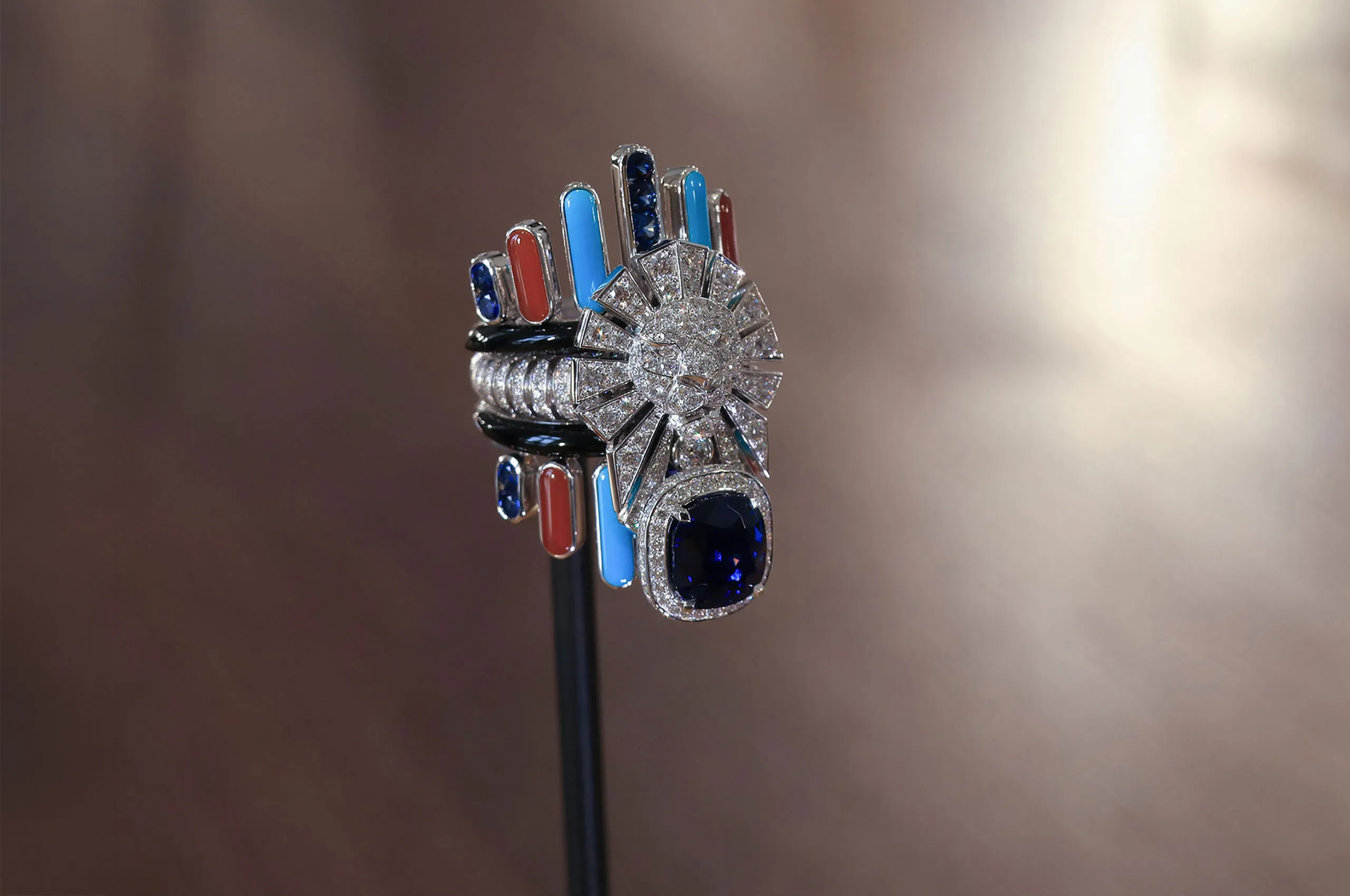
Chanel Symbole Emblématique ring in white gold, set with diamonds, sapphires, turquoise, carnelian and onyx
A chapter inspired by the talismanic jewels Chanel collected throughout her life comes next, rendered as carved amulets. A yellow gold necklace pavé-set with yellow sapphires and engraved with stars is anchored by a 3.57-carat emerald-cut diamond set within a camellia. A second necklace threads a tubular chain with amulets in gold, diamonds and pink sapphires, a camellia, a star, a sun and a lion, brought to life with onyx, carnelian, turquoise, chrysoprase, spessartite garnets and white ceramic.
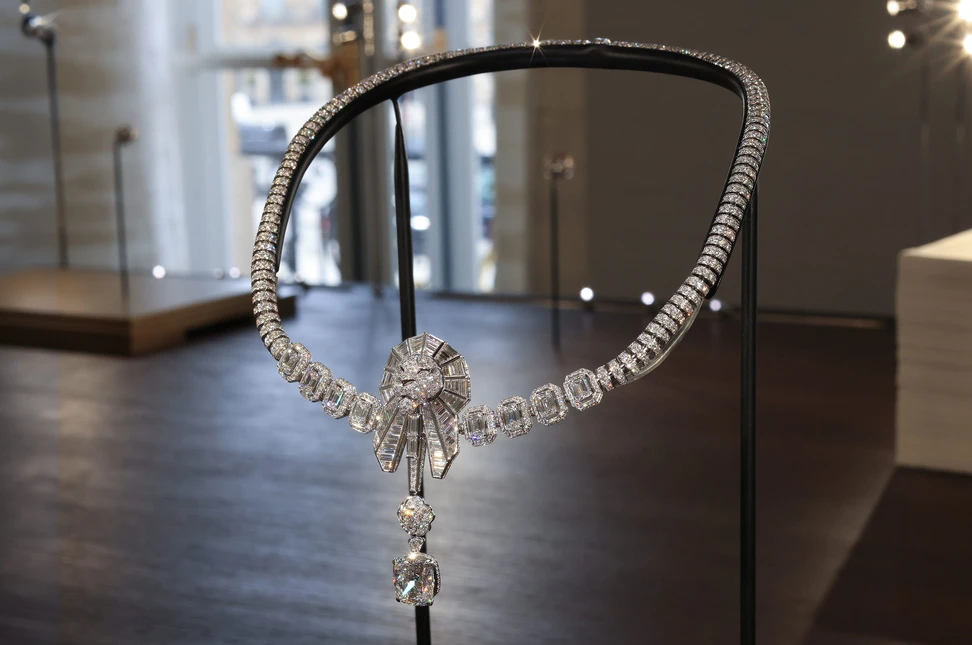
Chanel Lion Puissant necklace in white gold, set with diamonds
According to the team, this marks the first time Chanel has used hardstones like turquoise in its high jewellery, with the carving here representing new technical ground for the house's ateliers. The chapter also includes four Talisman Gabrielle rings, each pairing a different coloured stone with its own symbol, carnelian for the camellia, onyx for the sun, turquoise for the lion and chrysoprase for the star.
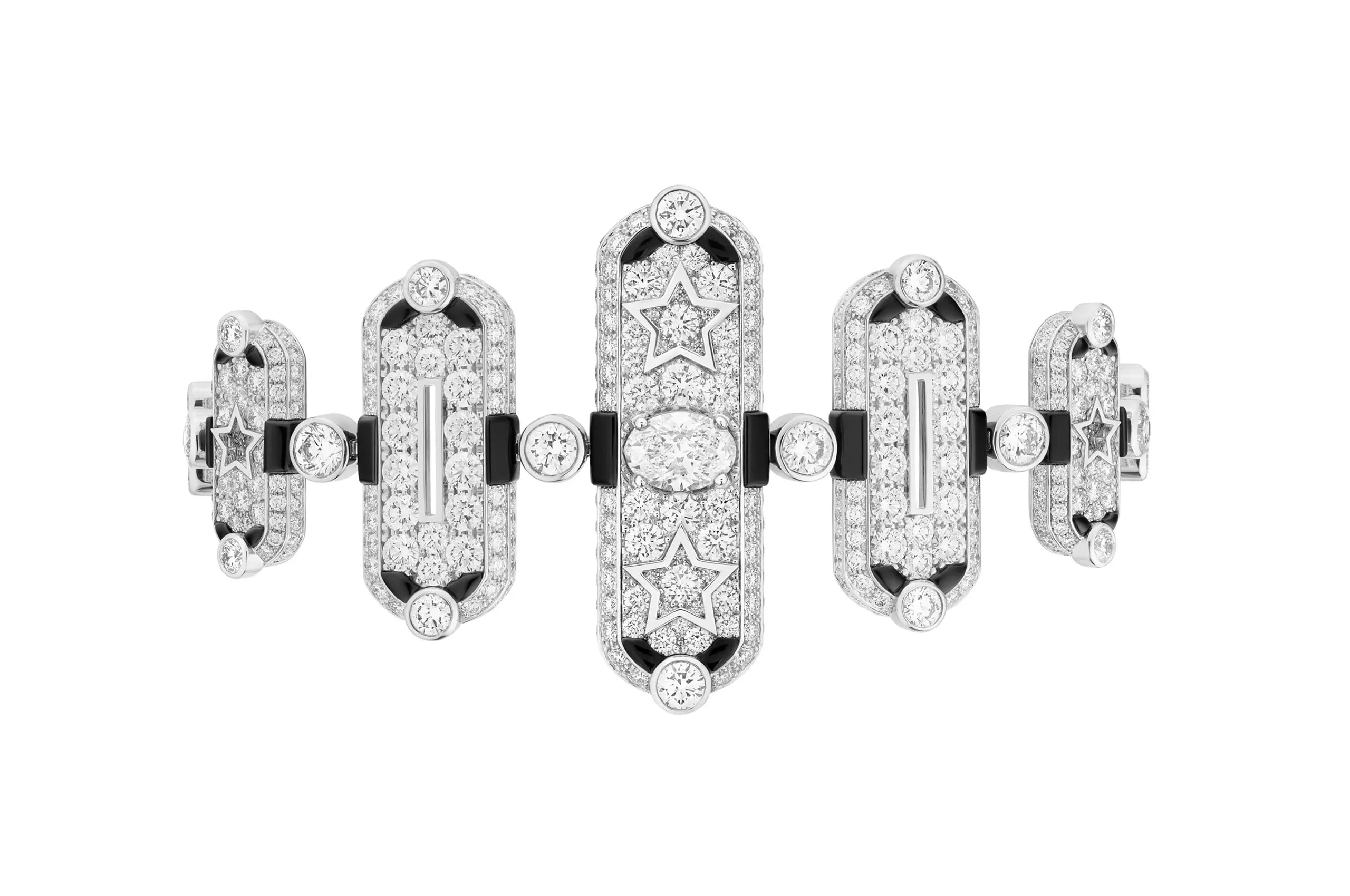
Chanel Talisman Graphique bracelet in white gold, set with diamonds and onyx
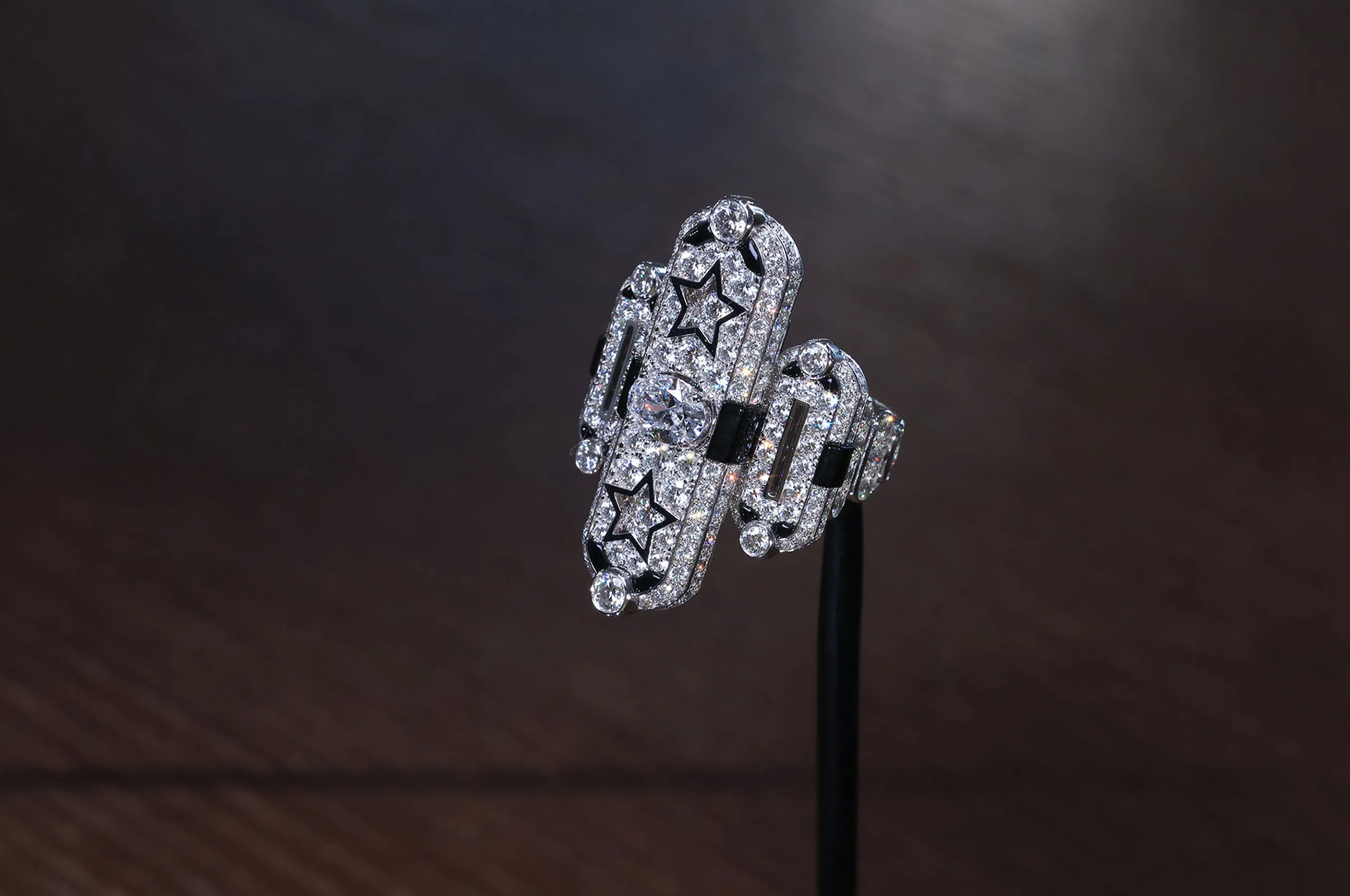
Chanel Talisman Graphique ring in white gold, set with diamonds and onyx
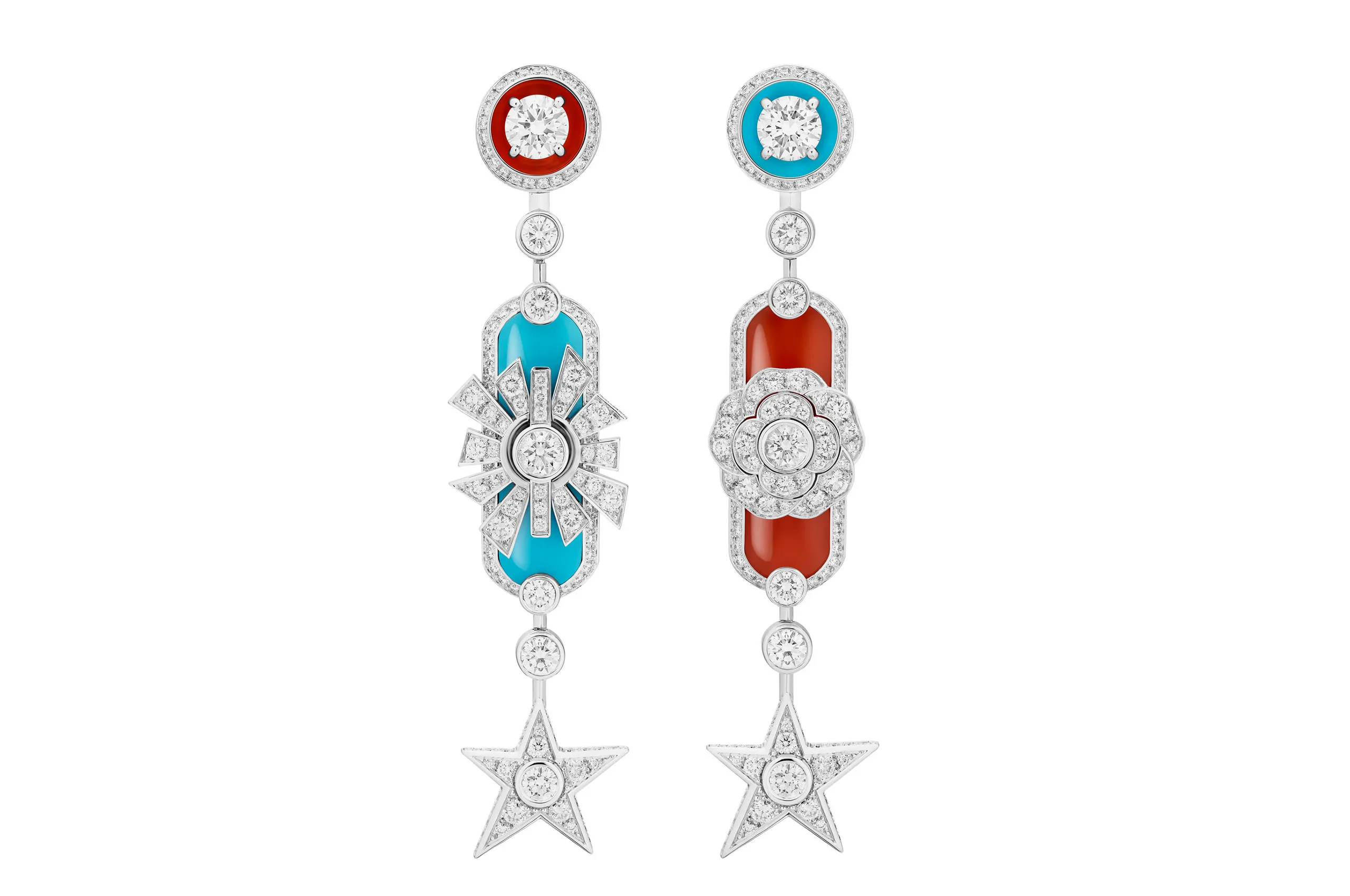
Chanel Talisman Gabrielle earrings in white gold, set with diamonds, turquoise and carnelian
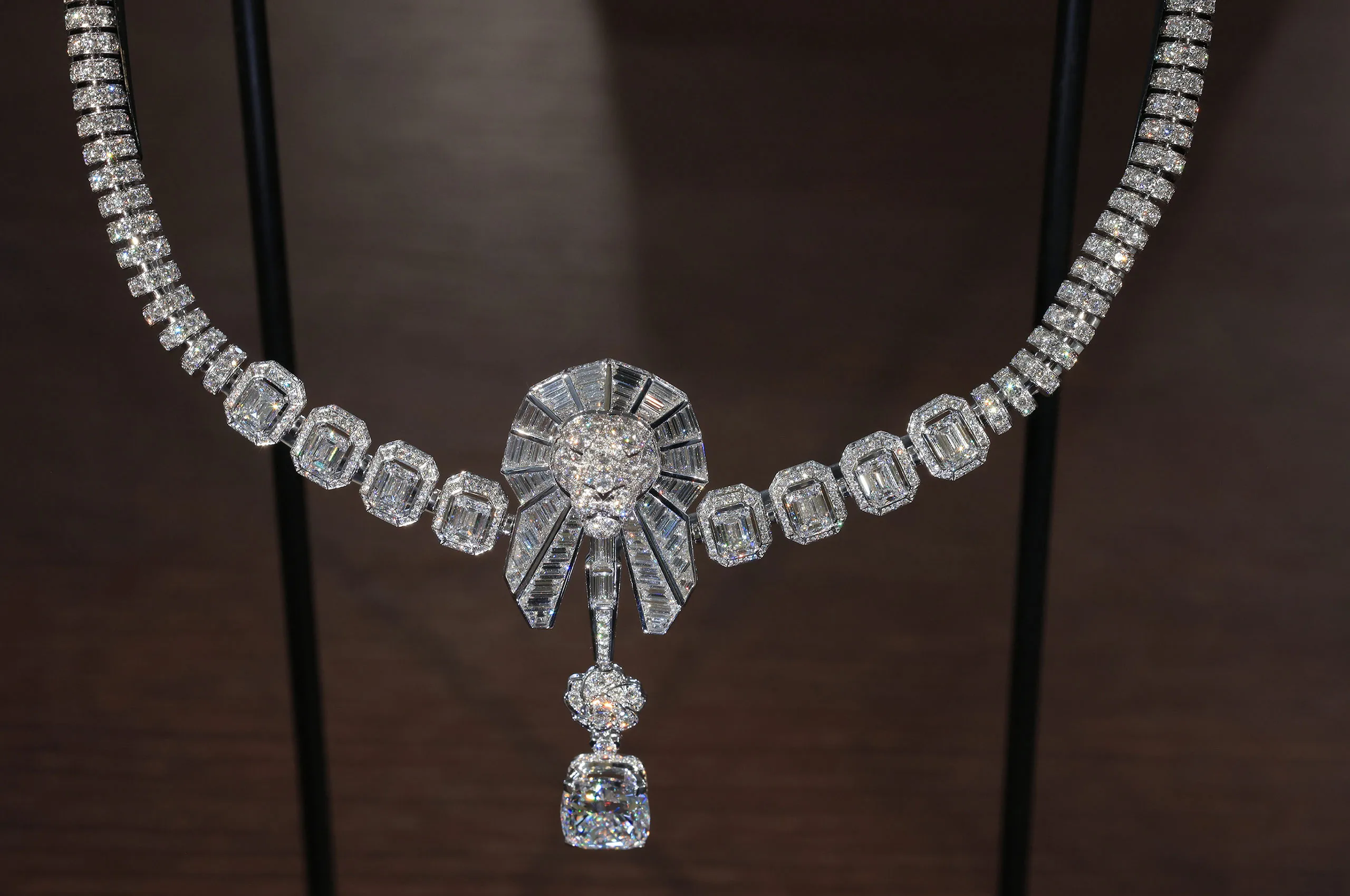
Chanel Lion Puissant necklace in white gold, set with diamonds
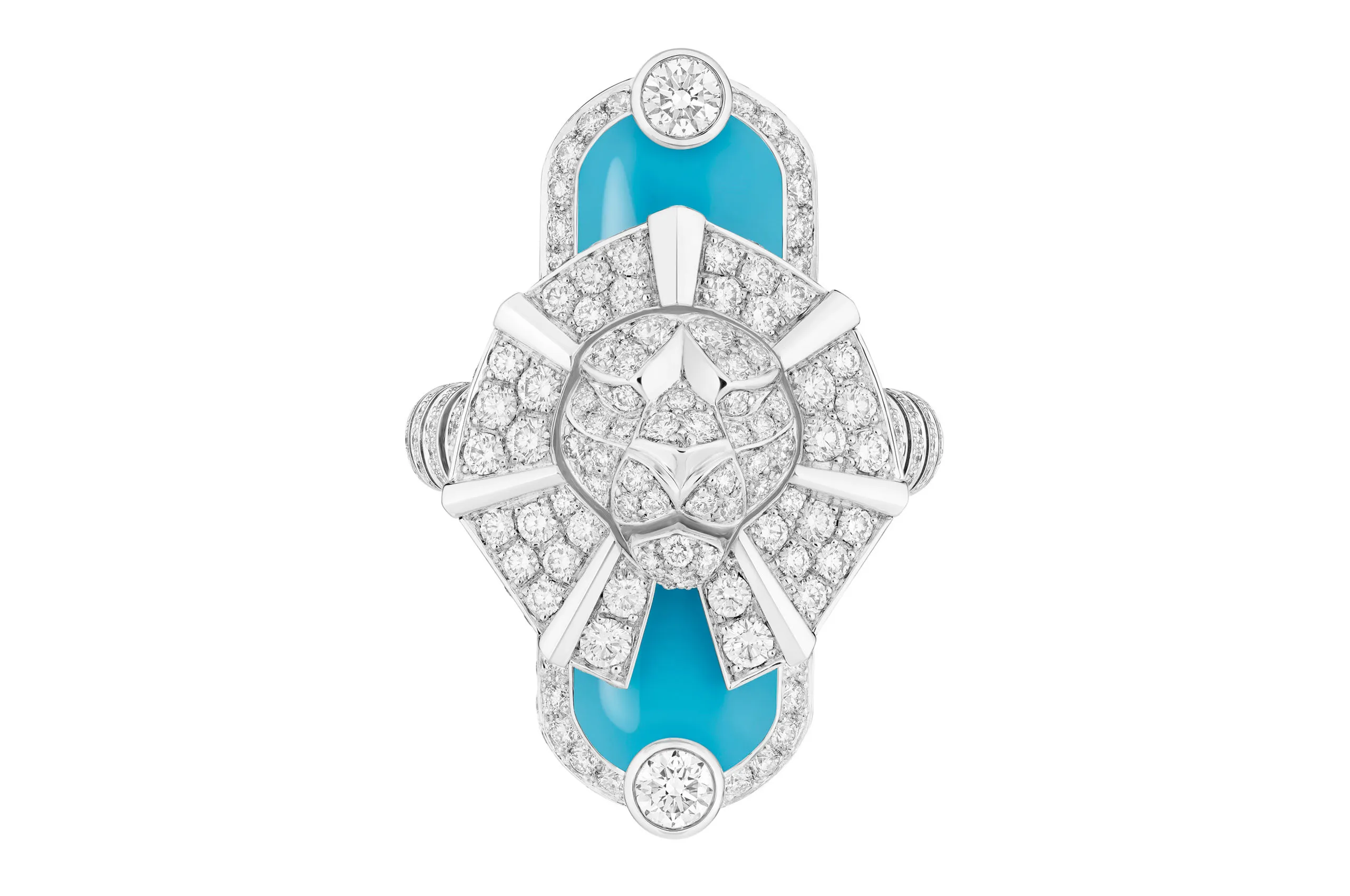
Chanel Talisman Gabrielle ring in white gold, set with diamonds and turquoise
Chanel Symbole Emblématique ring in white gold, set with diamonds, sapphires, turquoise, carnelian and onyx
The collection saves some of its most colourful creations for last. A necklace pairs tanzanite with garnet, carnelian and a 26.21-carat cushion-cut imperial topaz, a stone Gabrielle Chanel herself once called “gilded water”, a line she gave the biographer Marcel Haedrich for his 1987 book Coco Chanel, and transforms three ways – into a shorter necklace, a bracelet and a pair of earrings once the diamond and garnet stars detach.
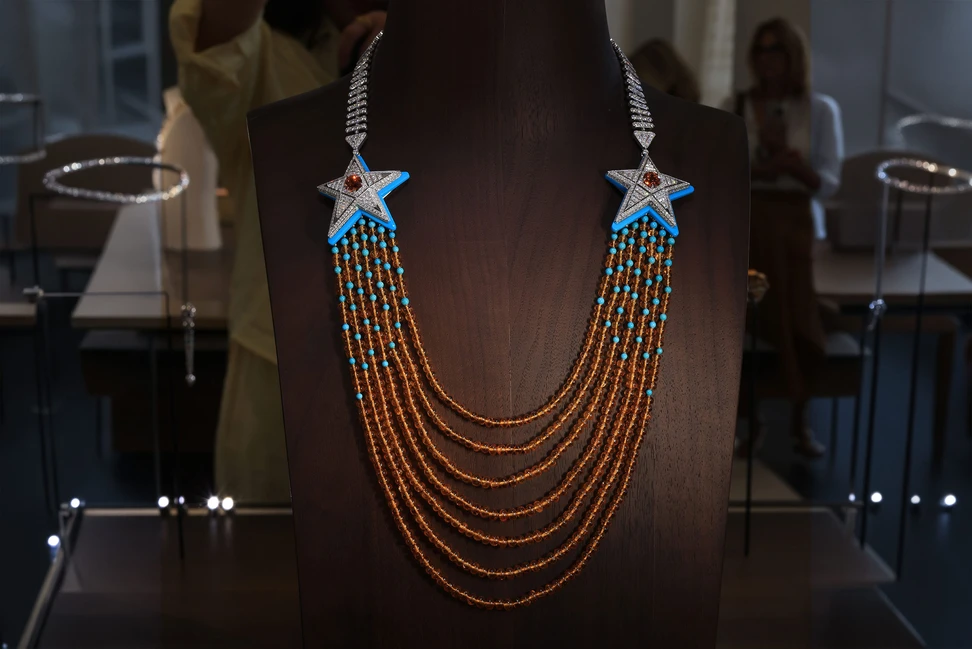
Chanel Symbole Ombré necklace in white gold and platinum, set with diamonds, spessartite garnets and turquoise
I was told imperial topaz has become genuinely difficult to source at the quality the house wants, a shift from the era when sapphire, ruby and emerald were treated as the only stones worth chasing. Elsewhere, a ring sets an exceptional oval-cut 10.32-carat D FL diamond at the centre of diamond petals bordered in pink sapphire, and another pairs a 25.45-carat cabochon-cut sapphire with a surrounding halo of smaller sapphires and diamonds.
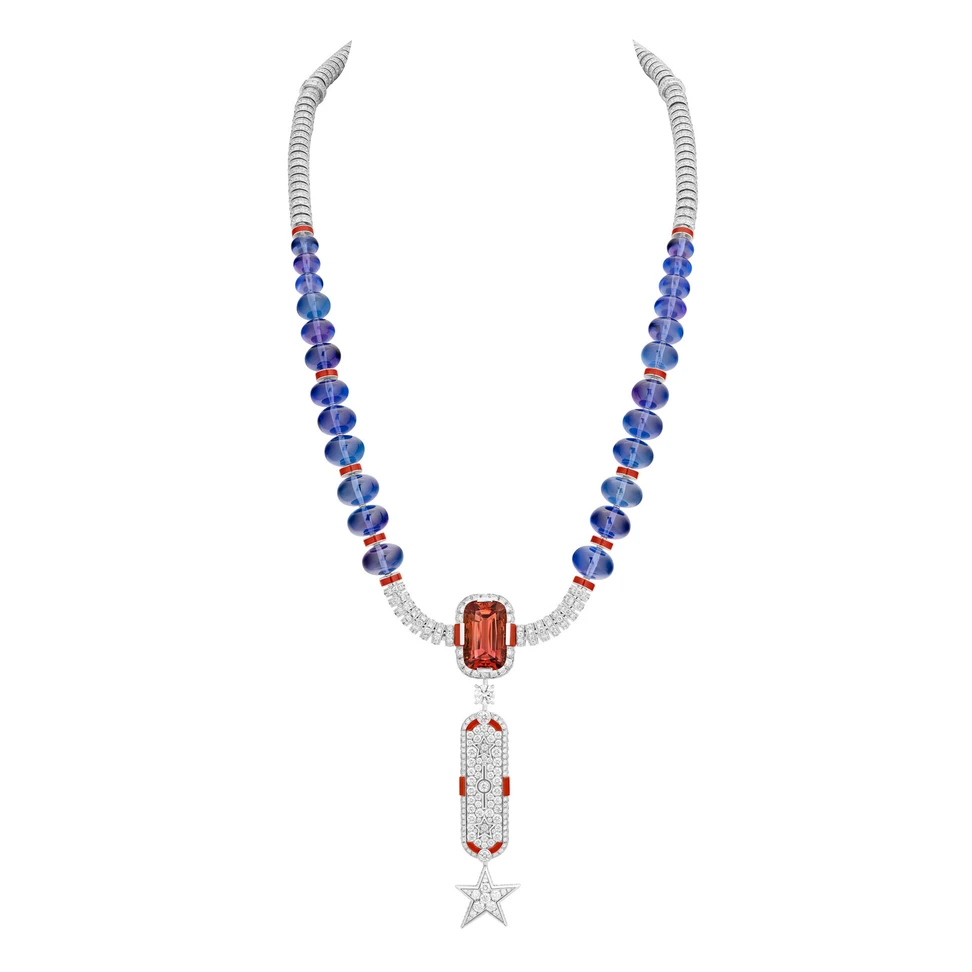
Chanel Symbole étoile necklace and earrings in white gold, set with diamonds, tanzanite beads, imperial topaz, spessartite garnets and carnelian
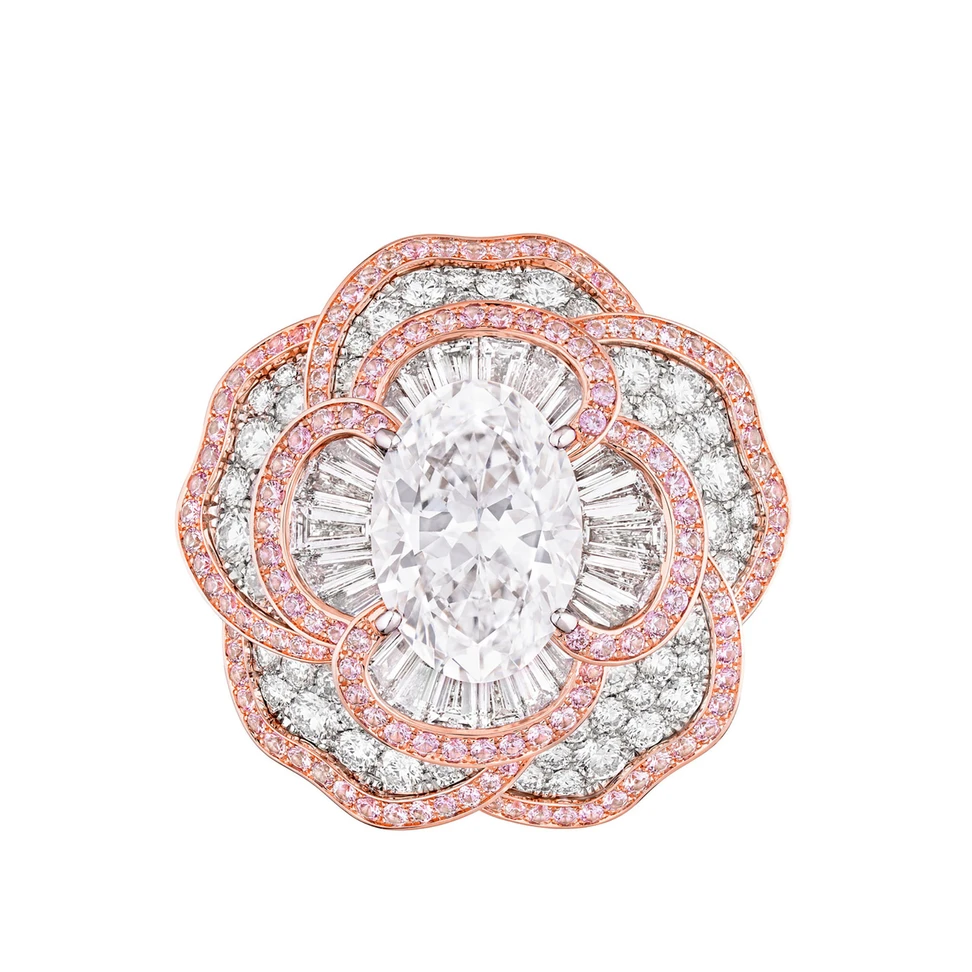
Chanel Symbole Camélia rose ring in platinum and rose gold, set with diamonds and pink sapphires
Several pieces had already found buyers before this public unveiling, sold during a private preview back in May, and at least one had sold as a genuine one-off, meaning a replica had to be made purely so it could still be shown at scale during the presentation. And despite the size of some of the necklaces in particular, which you’d expect to feel heavy on the body, I was surprised by how wearable they actually are, a point that speaks to the house’s ingenious craftsmanship and that these are jewels designed to be worn rather than kept in a safe.
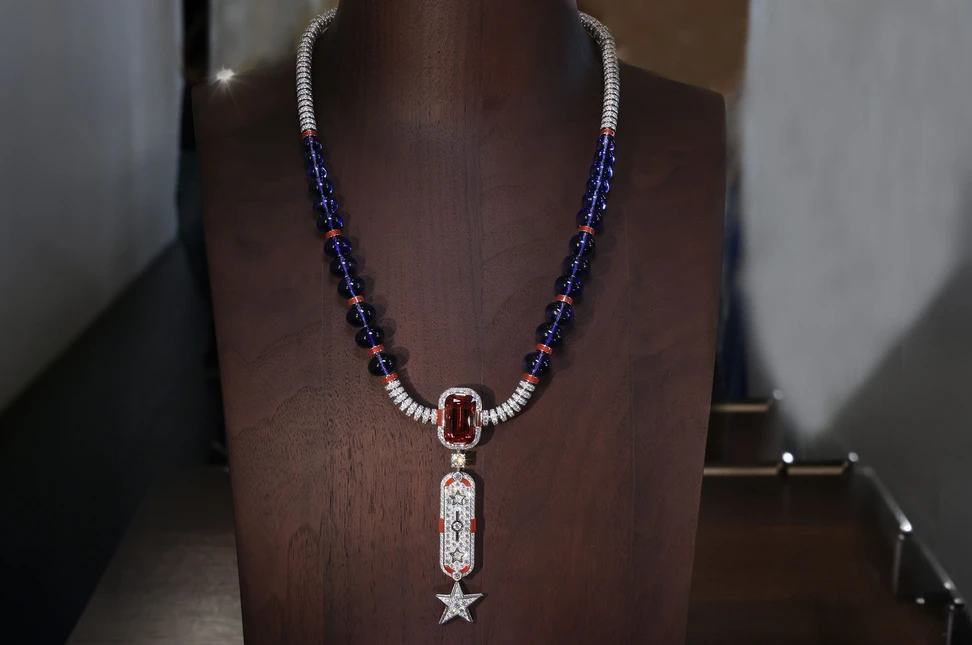
Chanel Symbole étoile necklace and earrings in white gold, set with diamonds, tanzanite beads, imperial topaz, spessartite garnets and carnelian
Signes & Symboles doesn’t lean on one showstopper the way some collections do, either. It works because every piece, however different in scale or colour, is drawing on the same handful of symbols Gabrielle Chanel returned to again and again, in her clothes, her apartment and her own personal jewellery box.
RelatedArticles
Discover the brand: the story from various angles.