Back to the Archives: Gucci, Van Cleef & Arpels and Pomellato Revisit Their Past This Autumn
What do Gucci’s Horsebit, a Van Cleef & Arpels bracelet from 1934 and a Pomellato pendant created in 1997 have in common? All three are making a return as brands delve into their archives for inspiration from decades past.
Jewellery archives are fascinating resources, filled with original sketches, photographs and, in some cases, pieces that haven’t seen the light of day for decades. They can also be a treasure trove of forgotten motifs, techniques and ideas ripe for reinterpretation. This autumn, Gucci, Van Cleef & Arpels and Pomellato have each returned to an earlier creation, with their newest creations transporting us to very different moments in history.
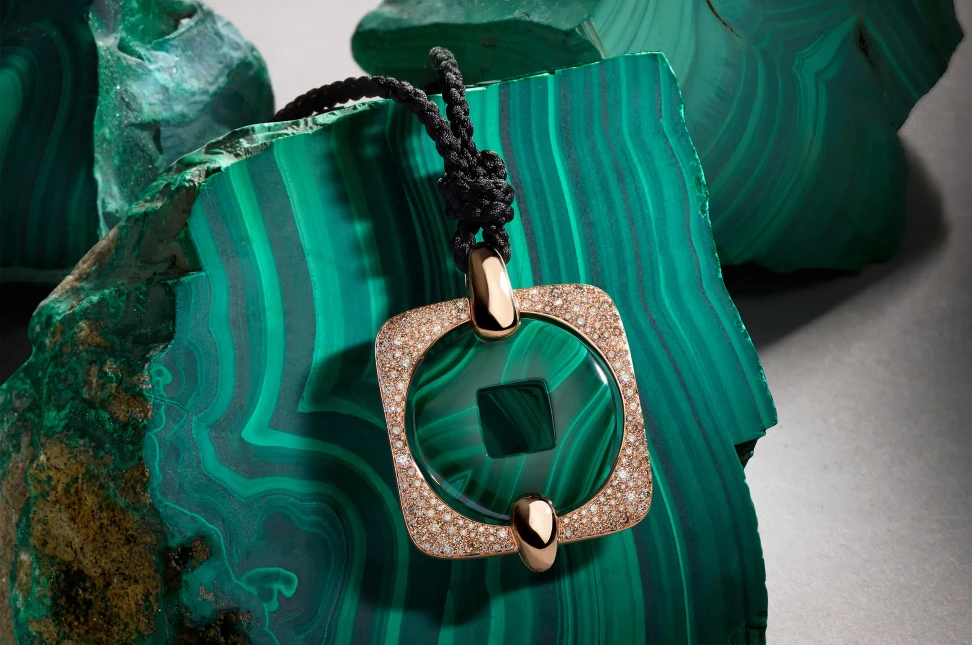
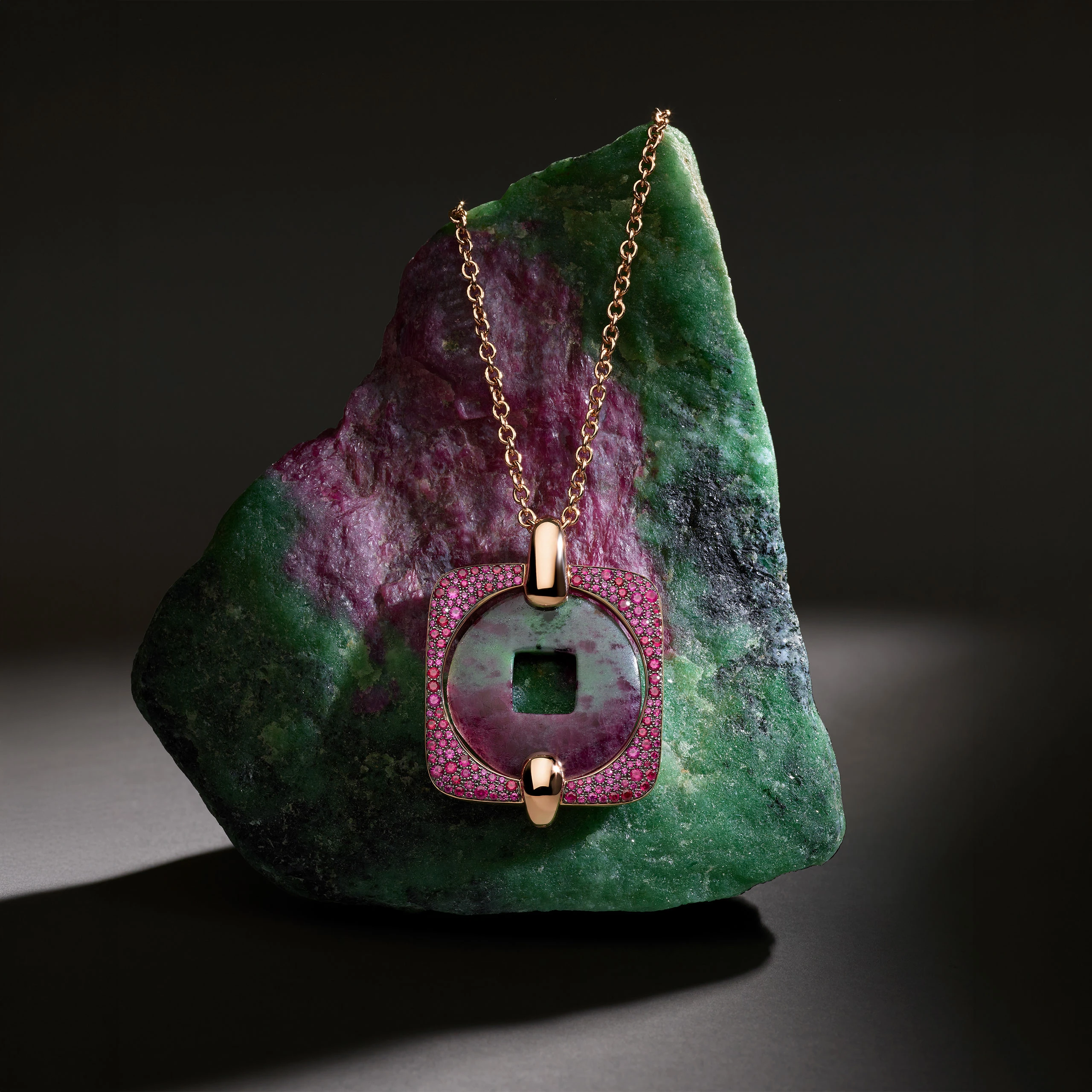
Hip to be square: Pomellato's new Moneta Orientale necklaces reimagine a matte yellow gold pendant from 1997
Back in the Saddle at Gucci with New Horsebit Designs
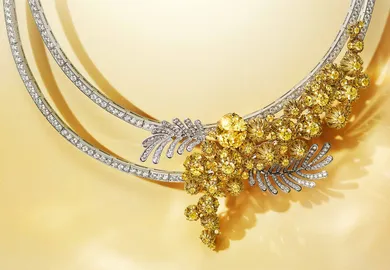
The story of Gucci’s Horsebit began with a sketch in an artisan’s notebook at the end of the 1940s. By the following decade, the equestrian motif had found its way onto the House’s accessories and loafers, before appearing on bracelets and watches in the 1970s and, in 2004, inspiring a fine jewellery collection of its own.
Now, the Gucci Horsebit is back. New necklaces, pendants, rings and bracelets in yellow and white gold play with the familiar double-ring-and-bar motif, introducing diamonds and more sculptural proportions. There is also a new steel Horsebit watch, its chain bracelet turning the equestrian fastening into a graphic link.


Van Cleef & Arpels Buckles Up with Five New Ludo Bracelets
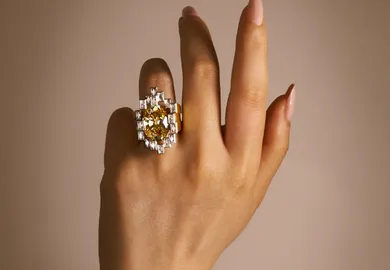
Van Cleef & Arpels takes us further back in time, to 1934, when the Ludo bracelet was created under the direction of Renée Puissant, the Maison’s artistic director and daughter of Alfred Van Cleef. Named after her uncle Louis “Ludo” Arpels, this iconic piece of archive jewellery played on the fashion for belted waists, wrapping the wrist in a supple mesh of tiny gold “briquettes”, finished with a gem-set buckle. A honeycomb-like Hexagone version followed in 1935, and Ludo soon expanded to include rings, clips and watches.
Five new High Jewellery Ludo bracelets revisit the 1930s design in yellow, white and rose gold, set with sapphires, emeralds and rubies alongside ornamental stones including lapis lazuli, chalcedony and chrysoprase. One design incorporates Sannan skarn, a little-known green ornamental stone from Pakistan, paired with chrysoprase, emeralds and diamonds. The star settings scattered across the gold mesh are another detail borrowed from the Maison’s original Ludo bracelets of the 1930s.


Pomellato Mines the 1990s with Moneta Orientale Pendants
Pomellato has made revisiting its archives an annual event. Since 2024, its Memorie d’Archivio series has brought back a different design from the past each year, beginning with Mora and Mosaico, followed by Bisanzio in 2025. For 2026, it is the turn of Moneta Orientale, a pendant first created in 1997.
The original was strikingly simple: a matte yellow gold disc with a square cut from its centre, suspended from a black cord. The new Moneta Orientale keeps that distinctive geometry but takes it in a much more colourful direction, with 33 stone and pavé combinations in two different sizes. Diamonds, sapphires and rubies meet richly veined malachite, deep blue lapis lazuli, rutilated quartz, red agate and a host of other hardstones, framed in polished rose gold or Pomellato’s signature irregular pavé.


As someone who loves discovering the stories behind older jewels, I’m thoroughly enjoying autumn’s preoccupation with the past. It has certainly given me plenty of excuses to disappear down another jewellery rabbit hole.


WORDS
Claire Roberts has been writing about jewellery and watches for more than 20 years. She is a seasoned journalist who joined the team 5 years ago as a contributing writer and a newsletter editor.
RelatedArticles
Discover the brand: the story from various angles.