The New Rules of Wedding Bands: What Today’s Couples Really Want
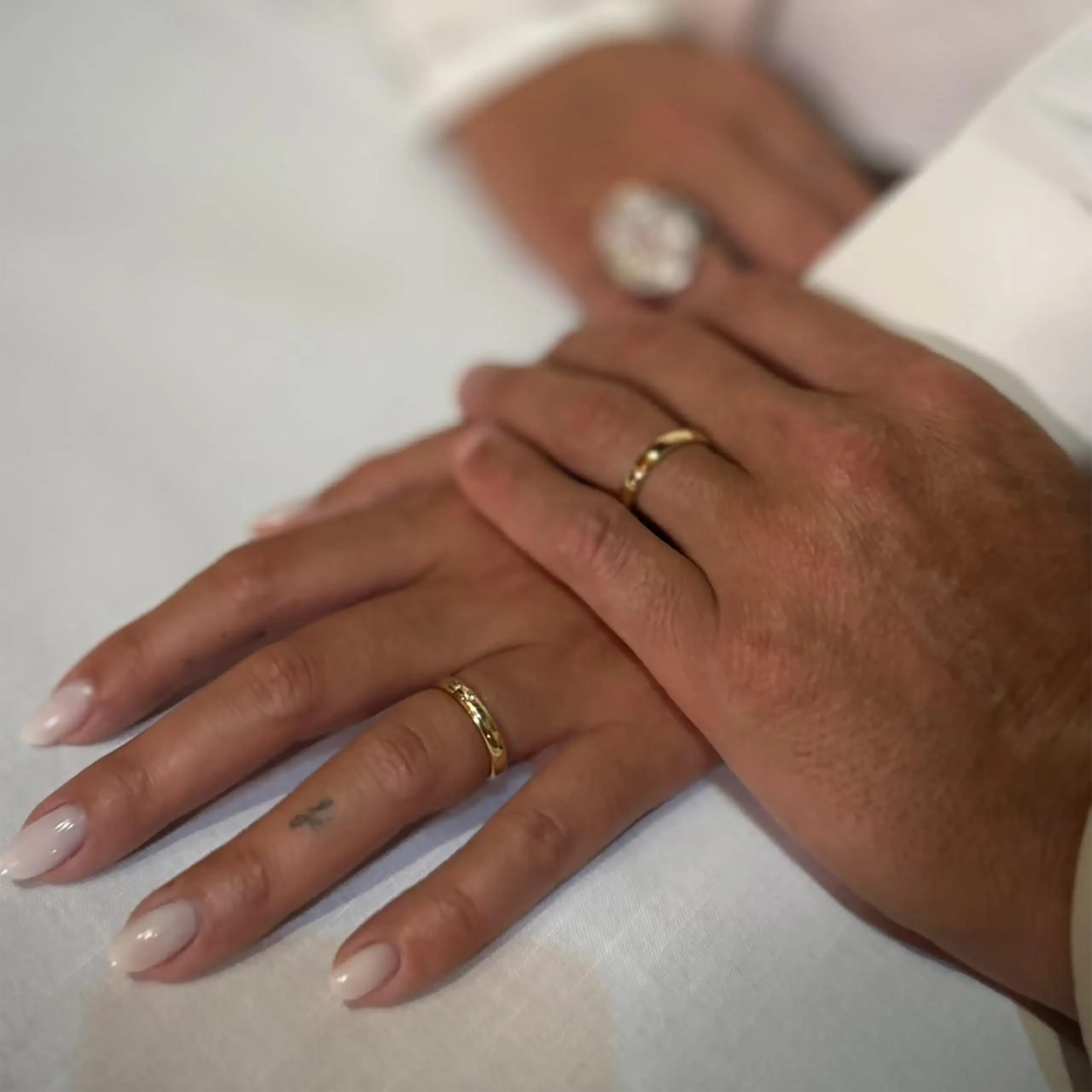
Who knew the humble wedding band could cause such a commotion? In recent months, a succession of famous couples has put this simplest of rings firmly in the spotlight. Following their recent weddings, Zendaya and Tom Holland have been photographed wearing coordinating bands, as have Georgina Rodríguez and Cristiano Ronaldo (pictured above), while Gigi Hadid and Bradley Cooper sent the rumour mill into overdrive when they stepped out wearing complementary Boucheron bands on their ring fingers in August.
Wedding bands may be one of jewellery’s oldest traditions, but couples are finding new ways to make them their own. We asked five independent London jewellers – who spend their days creating rings for love, marriage and everything in between – what today’s couples are seeking out.
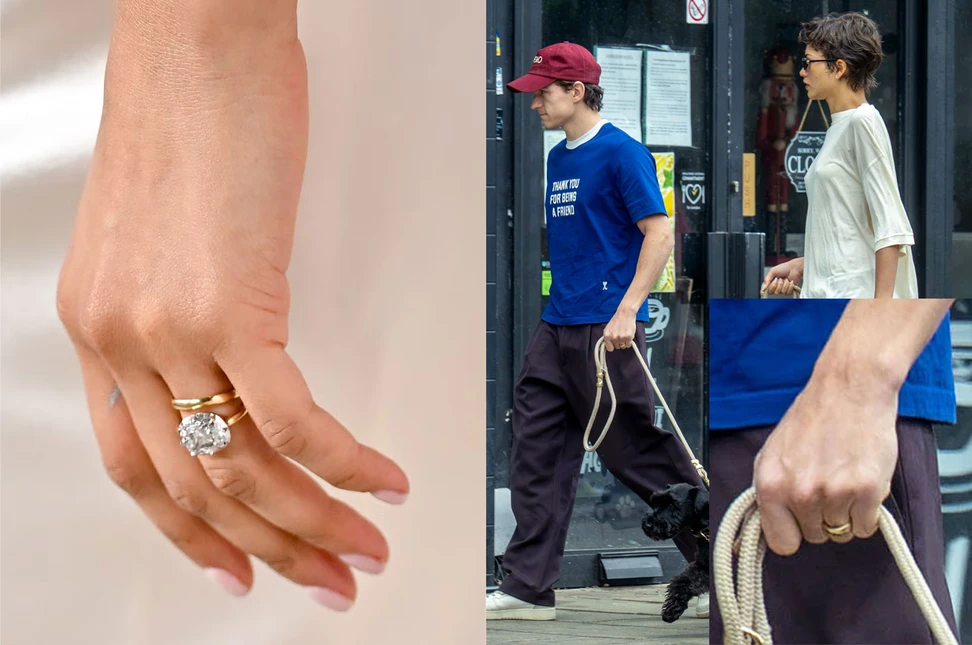
Tom Holland and Zendaya were photographed in London in August wearing matching gold wedding bands
Yellow Gold Wedding Bands Are Back
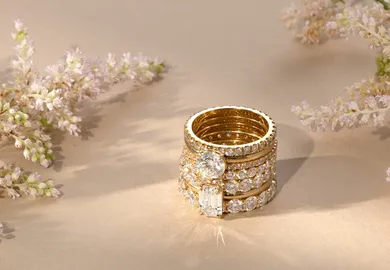
For all the ways couples can personalise their wedding rings, plenty are returning to that stone-cold classic: a simple band of yellow gold. At Sophie Breitmeyer’s London studio, yellow gold now accounts for around 90 per cent of the wedding bands she creates. “I think that in an age of abundance, the plain gold band appeals in its simplicity,” she says.
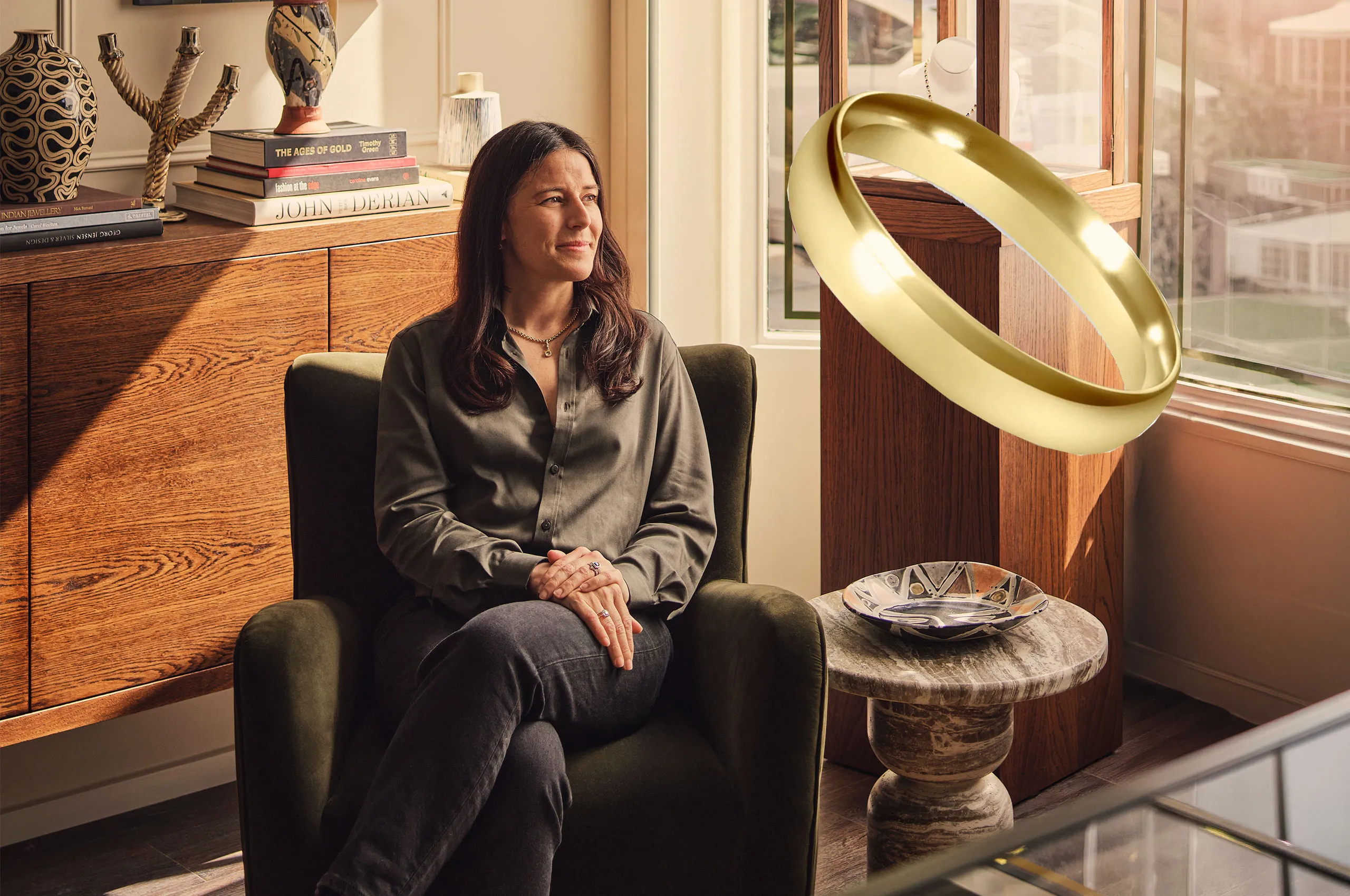
At Sophie Breitmeyer’s London studio, yellow gold accounts for around 90 per cent of the wedding bands she creates
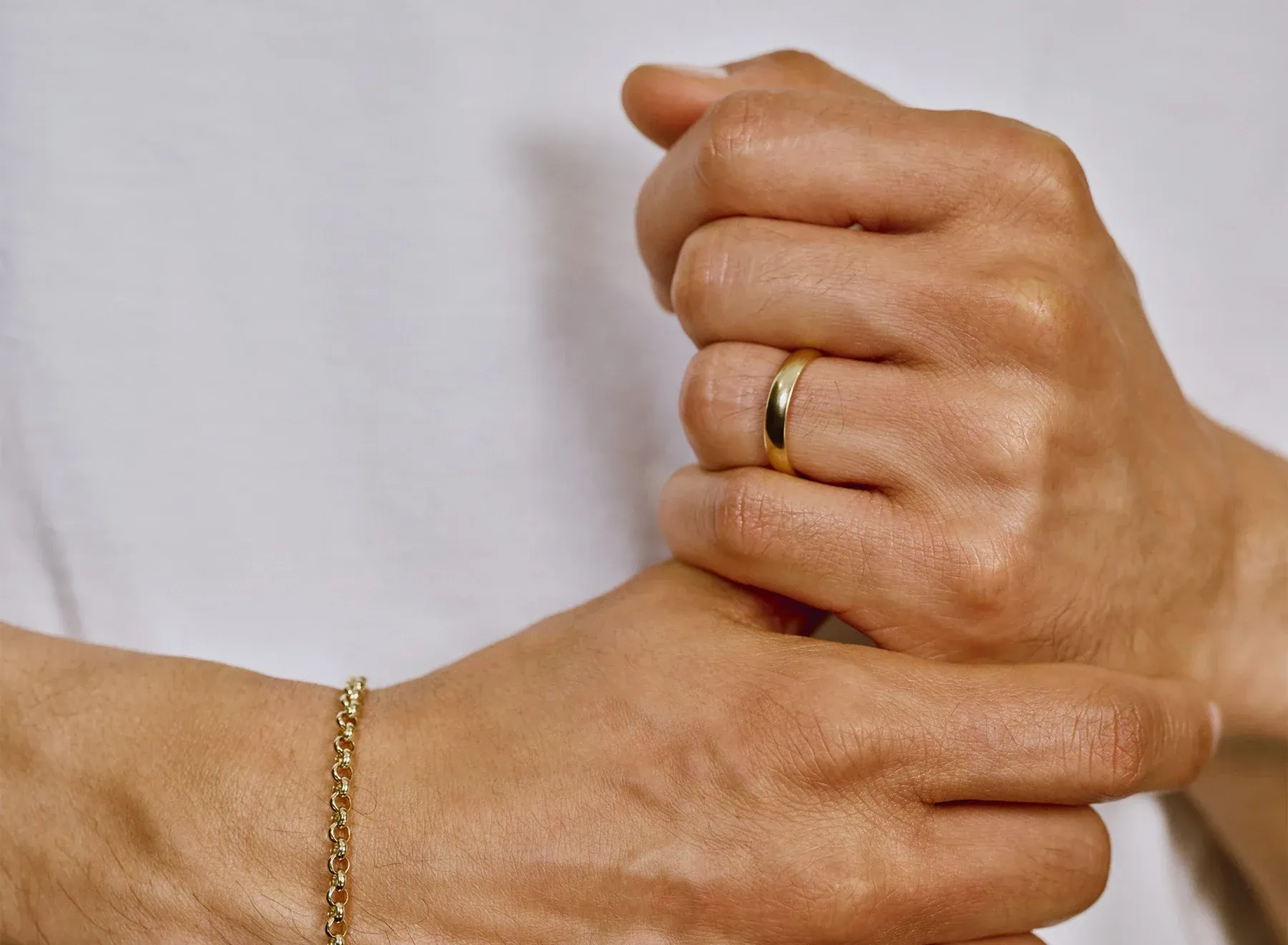
Sophie Breitmeyer Classic Court wedding ring, available in 9K or 18K yellow gold
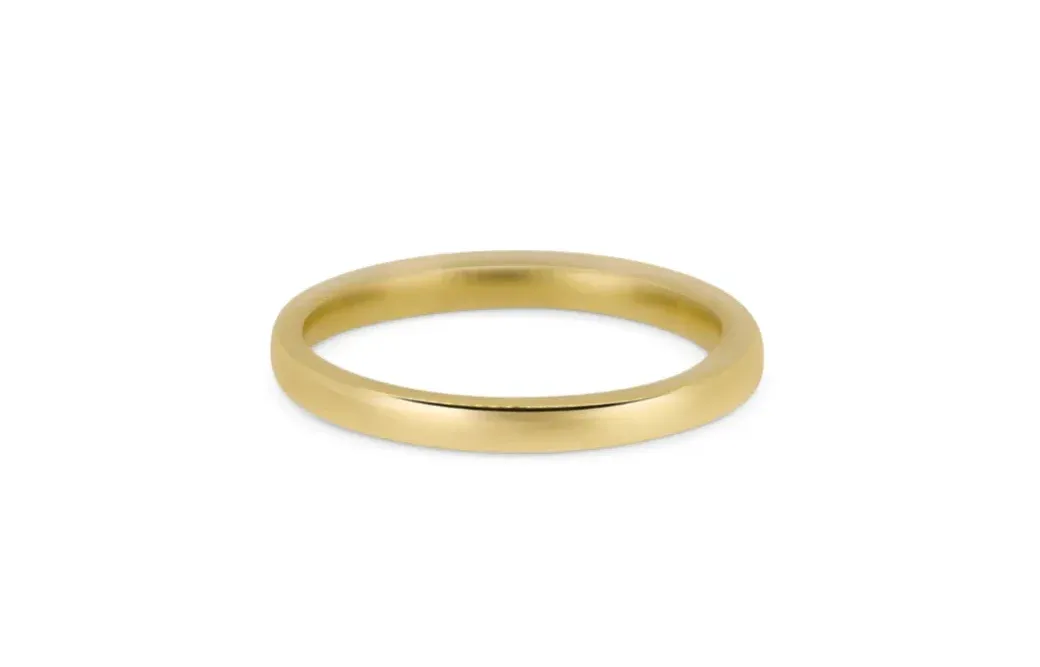
Sophie Breitmeyer Cushion Shaped wedding ring in 18K yellow gold
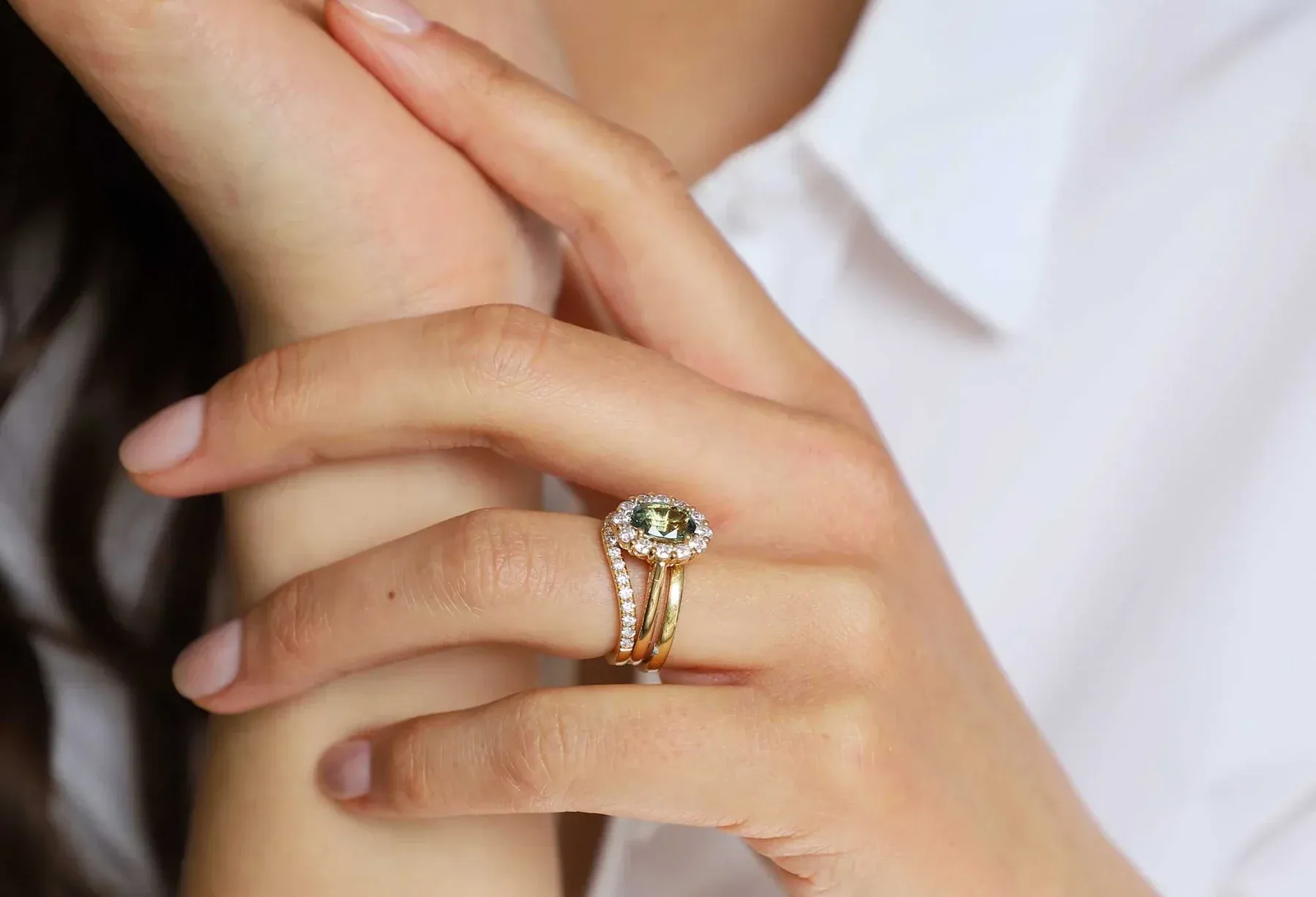
Sophie Breitmeyer Cushion Shaped wedding ring in 18K yellow gold
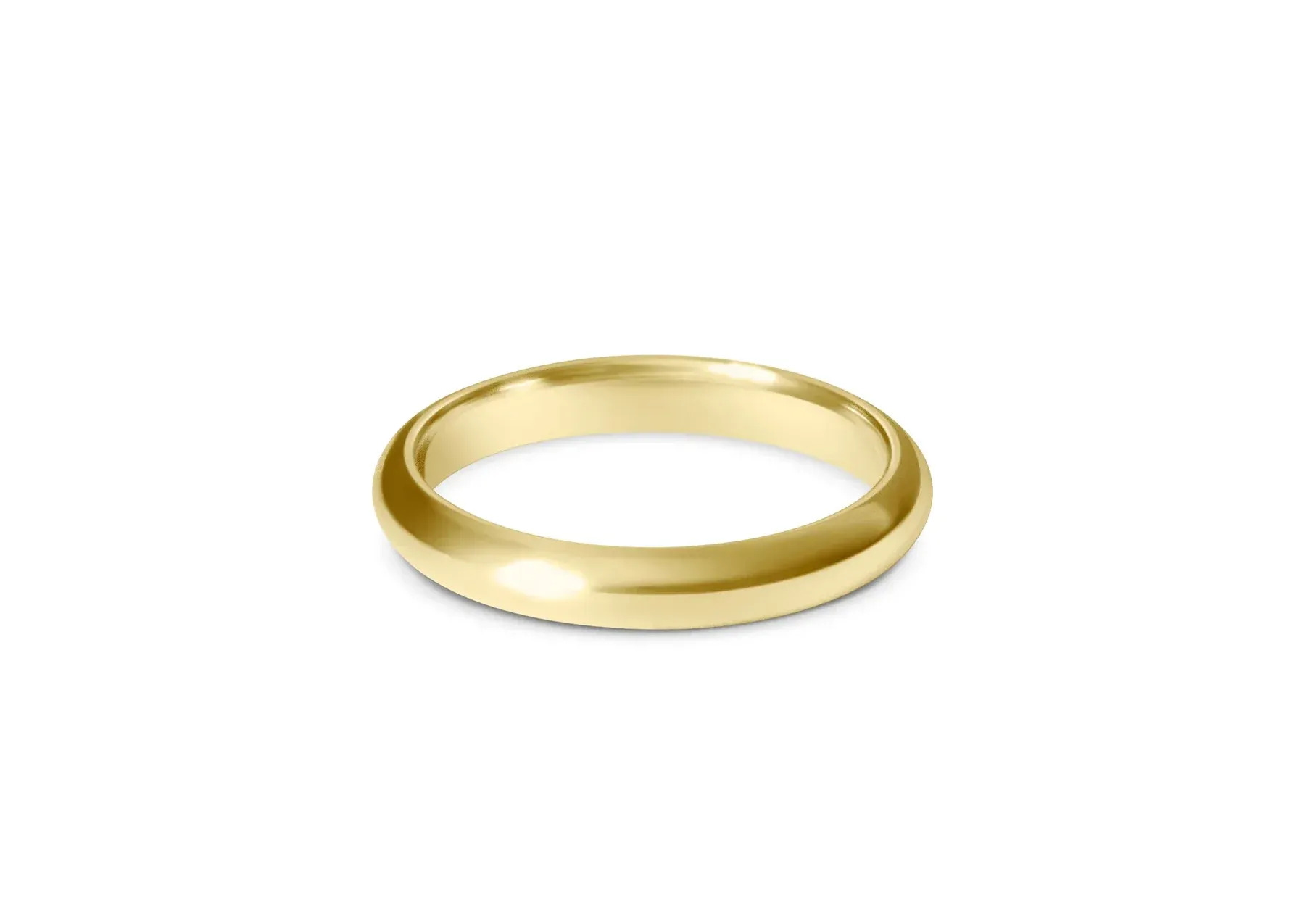
Sophie Breitmeyer D Shaped wedding ring in 18K yellow gold
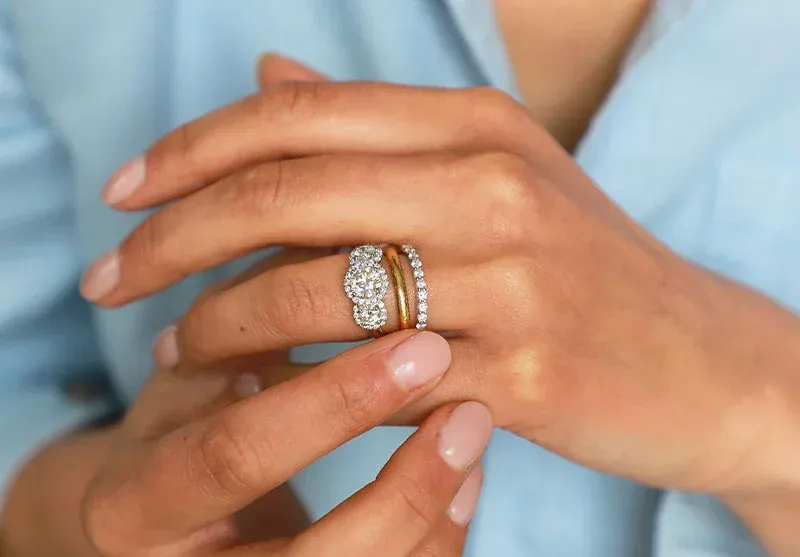
Sophie Breitmeyer D Shaped wedding ring in 18K yellow gold. “In an age of abundance, the plain gold band appeals in its simplicity,” she says
There is also the small matter of the engagement ring it will sit beside. When that ring already has plenty going on, jeweller Isabella Hewitt finds that an unadorned gold band can be the perfect foil. “I’m a big believer in the classic court band; it’s a classic for a reason, and you really can’t go wrong with one,” she says. “We’re definitely seeing more clients gravitate towards that simplicity, particularly when the band is being stacked with a more intricate engagement ring featuring a detailed setting.”
Sometimes, she says, adding less just works better. “There’s something about allowing the engagement ring to breathe rather than feeling the need to add more detail everywhere,” Hewitt explains. “Often, the simplest band is what makes the whole stack feel resolved.”
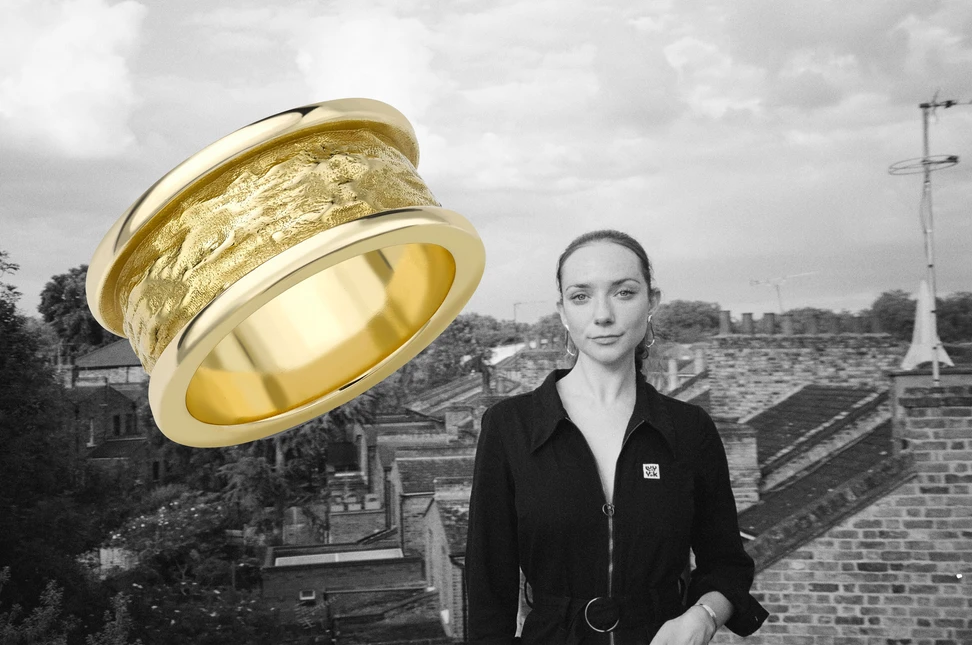
Isabella Hewitt is seeing more clients gravitate towards simplicity, particularly when a wedding band is being stacked with a more intricate engagement ring
With little to no decoration, the details of the band itself matter all the more, says Rachel Boston, whose designs include both ready-to-wear and bespoke wedding rings. “When you remove gemstones and embellishment, proportion, weight, profile and finish become incredibly important,” she says. “Yellow gold has such warmth and presence that a beautifully made band doesn’t need very much added to it to feel significant.”
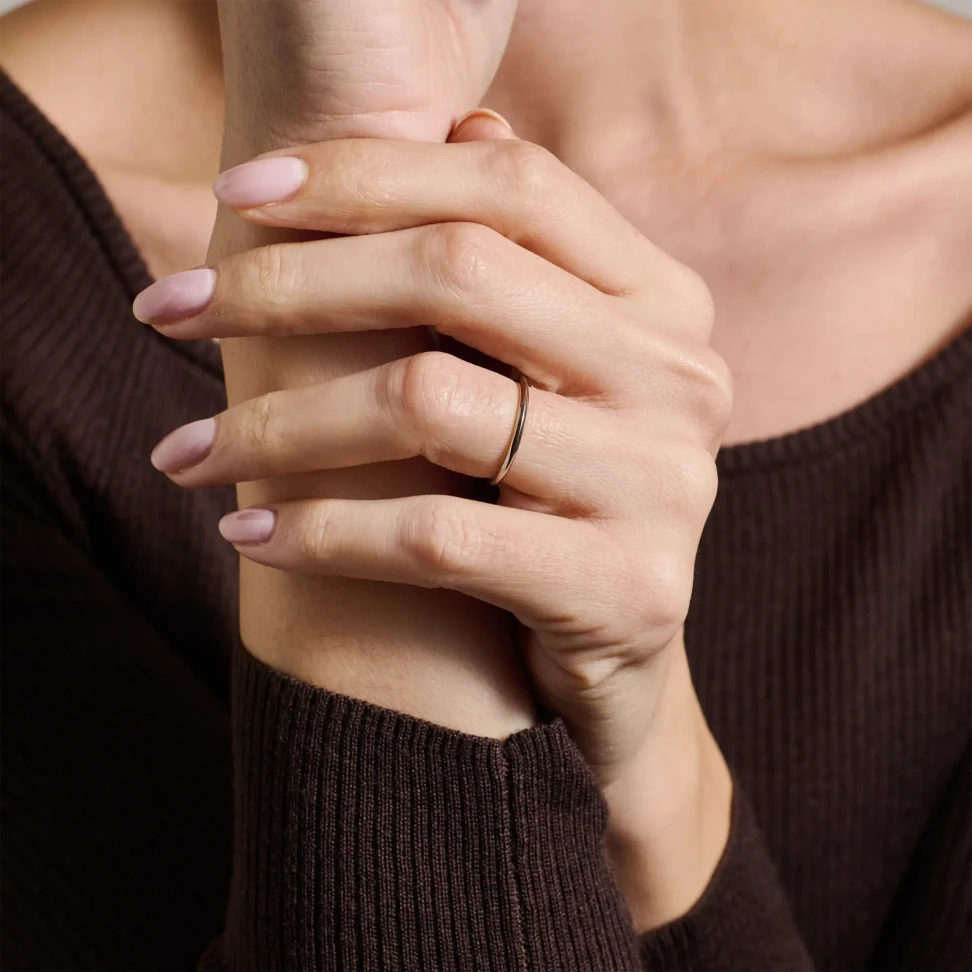
Rachel Boston's 1.7mm Knife Edge bands in 18K yellow gold
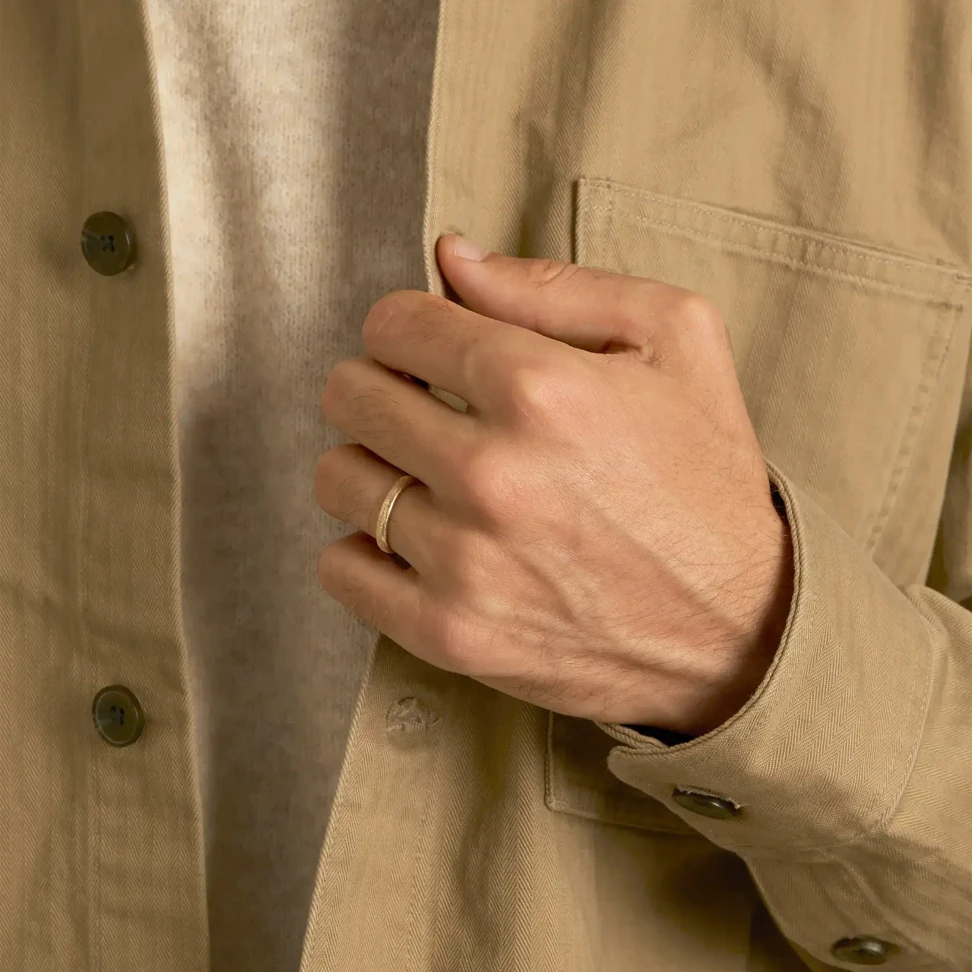
LYLIE Jewellery men's wedding ring in 9K yellow gold, hand-engraved using a medieval Florentine technique known as "silk engraving"
Matching Wedding Bands Get Personal
Matching wedding bands are having a moment in 2026, and the good news for couples with different tastes is that there’s no need to opt for exactly the same design. “For our clients, matching tends to be much subtler than choosing two identical rings,” reveals Rachel Boston. “We might create the same sculptural profile in different proportions, with a finer version for one partner and something wider or bolder for the other, or carry the same finish across both. The rings have a clear visual connection, but each still feels individual to the person wearing it.”
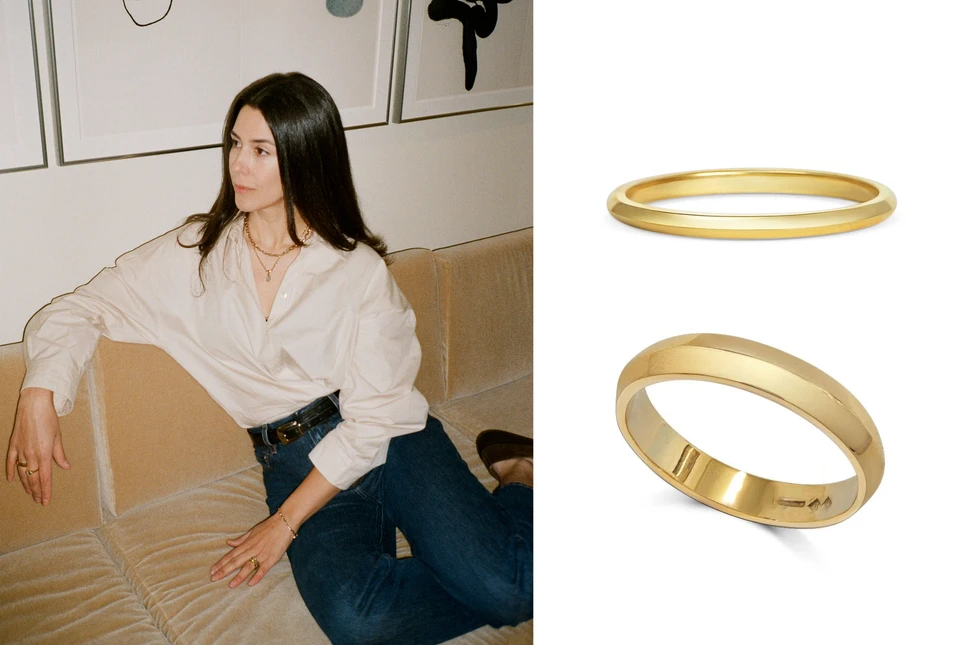
Matching, but not identical: Rachel Boston's 18K yellow gold Knife-Edge wedding bands are available in seven different widths
A shared detail can be deeply personal, too. Sophie Breitmeyer recently created a pair of bands engraved on the outside with the same symbols, representing moments in the couple’s relationship, while other clients have chosen one another’s birthstones or personal inscriptions to link their rings.
Of course, plenty of romantics still want to go fully matchy-matchy with their wedding bands, something LYLIE Jewellery founder Eliza Walter sees as a meaningful choice in itself. “Some couples really love the symbolism of wearing exactly the same design – the same ring profile, gold carat and finish,” she says. To make the rings even more personal, Walter has engraved messages including “you have my heart” and “two bodies, one soul” inside them – a hidden love note known only to the couple.
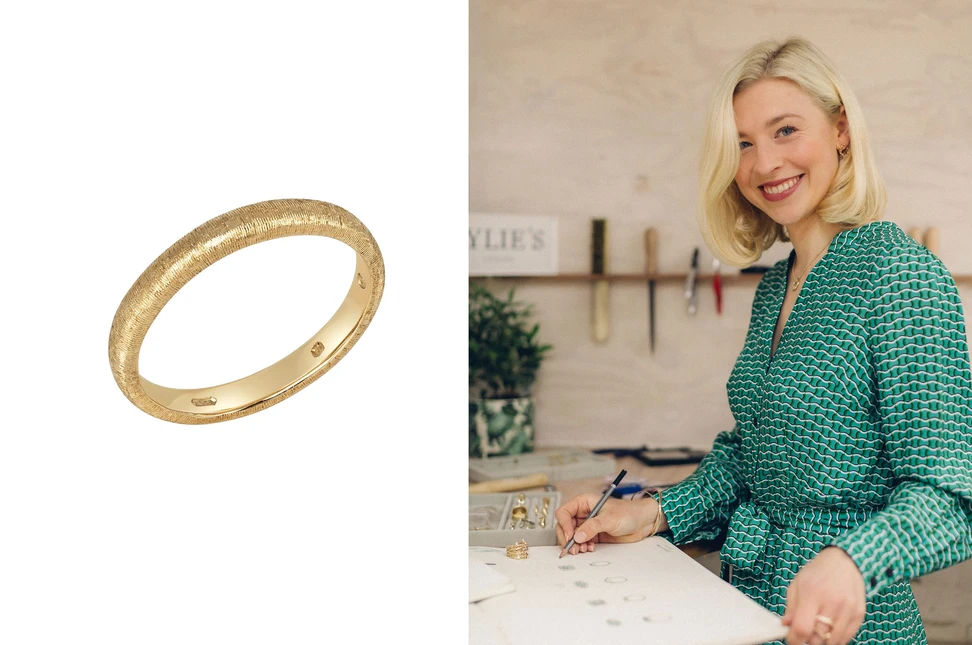
LYLIE Jewellery founder Eliza Walter, alongside her silk-engraved wedding ring in 9K yellow gold
Commitment Rings Beyond Marriage
Spot a ring on that finger and one question inevitably follows (just ask Gigi Hadid and Bradley Cooper). Yet exchanging bands doesn’t always mean marriage is on the cards. “I think we’re becoming much less prescriptive about what jewellery has to signify,” says goldsmith and designer Jessie Thomas, who works from her Chelsea studio in London. “A gold band can be a wedding ring, but it can also simply be something two people choose to mark their relationship without necessarily attaching a traditional label to it. People are much more confident in creating their own rules around jewellery now.”
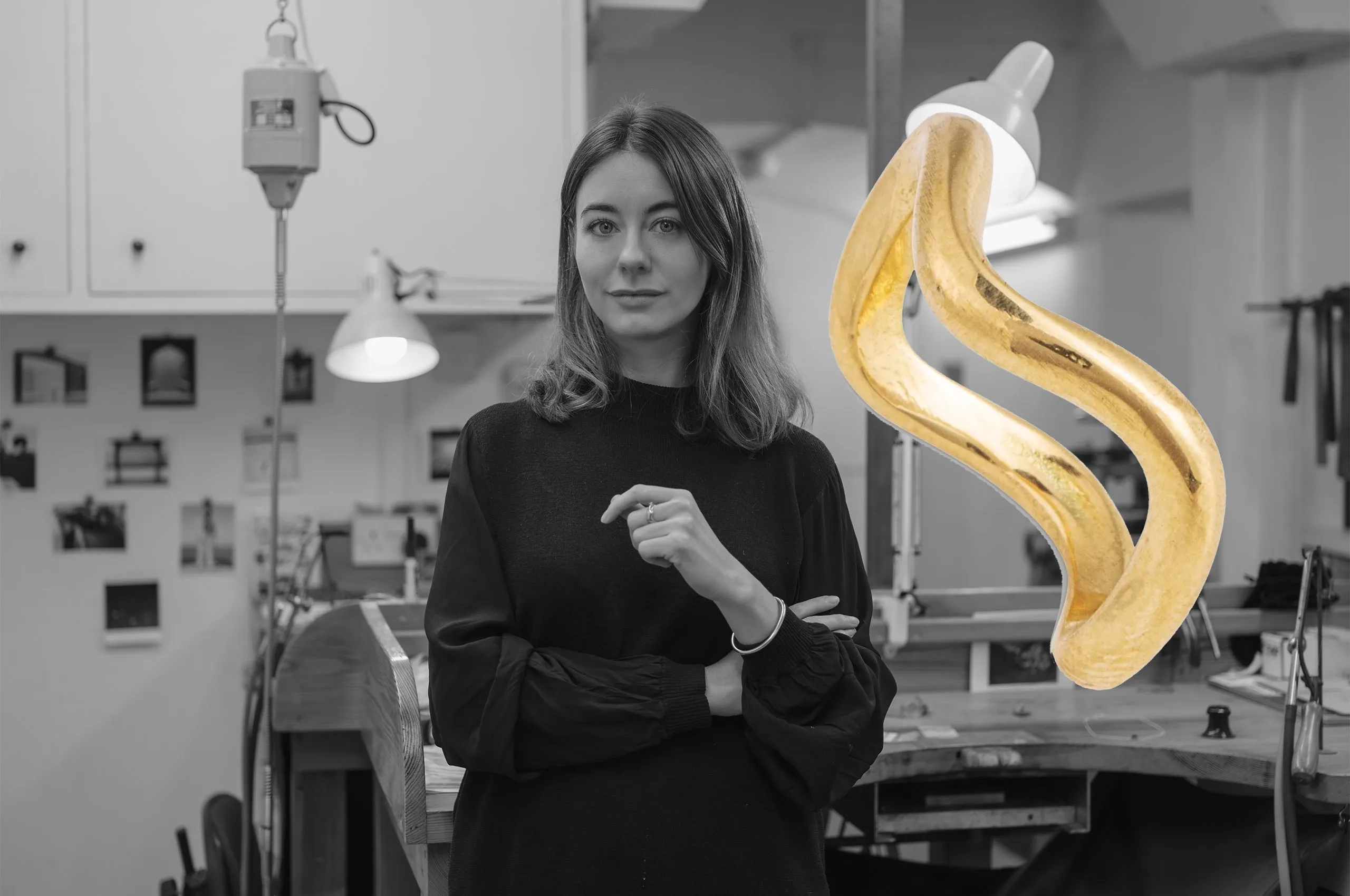
Goldsmith and designer Jessie Thomas believes we’re becoming much less prescriptive about what jewellery has to signify
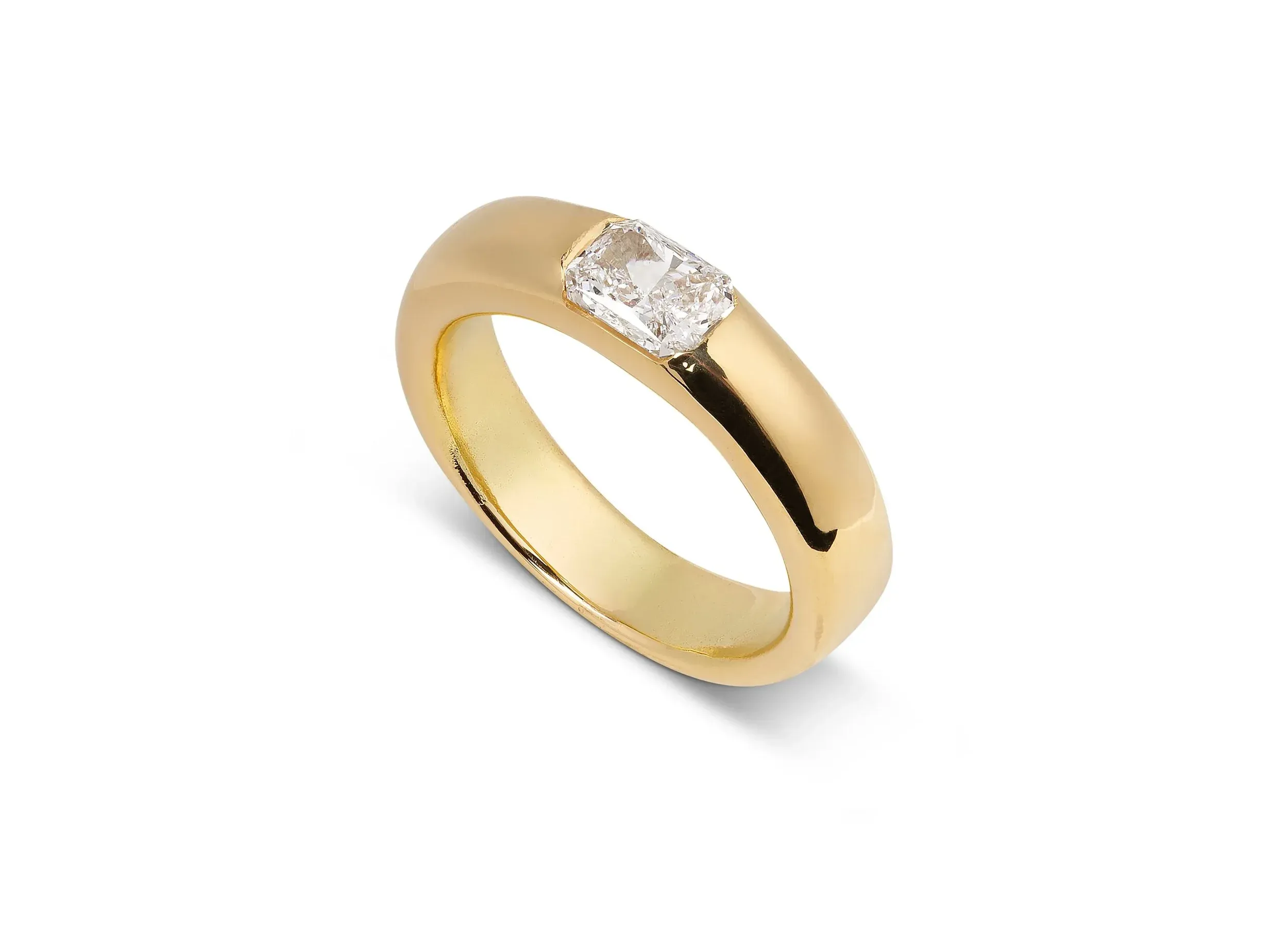
Jessie Thomas unisex 0.70ct radiant diamond ring in 18K yellow gold
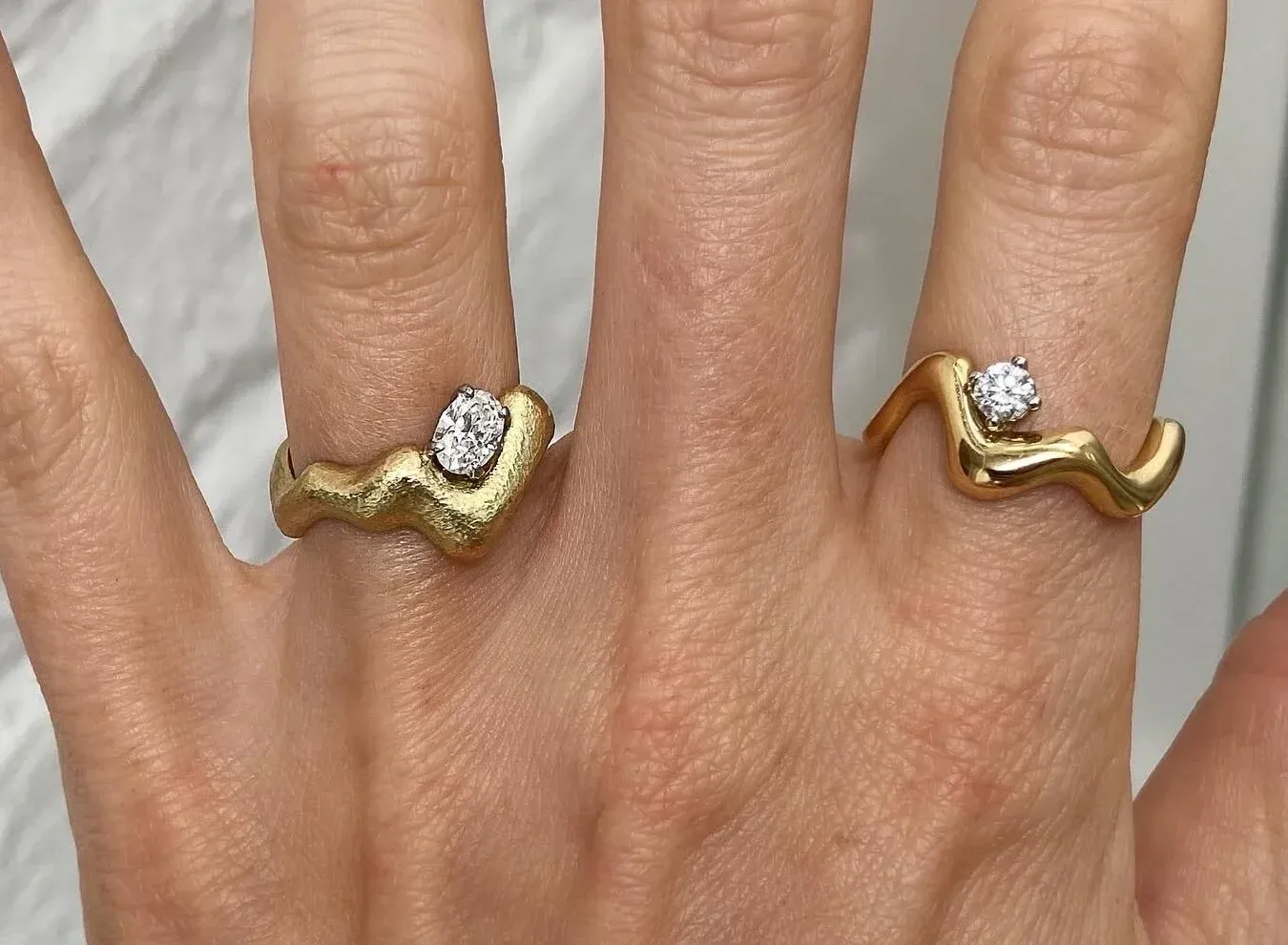
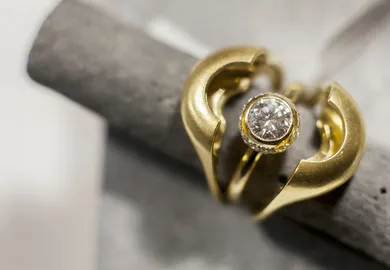
Jessie Thomas' sculptural curved rings with floating diamonds in 18K yellow gold
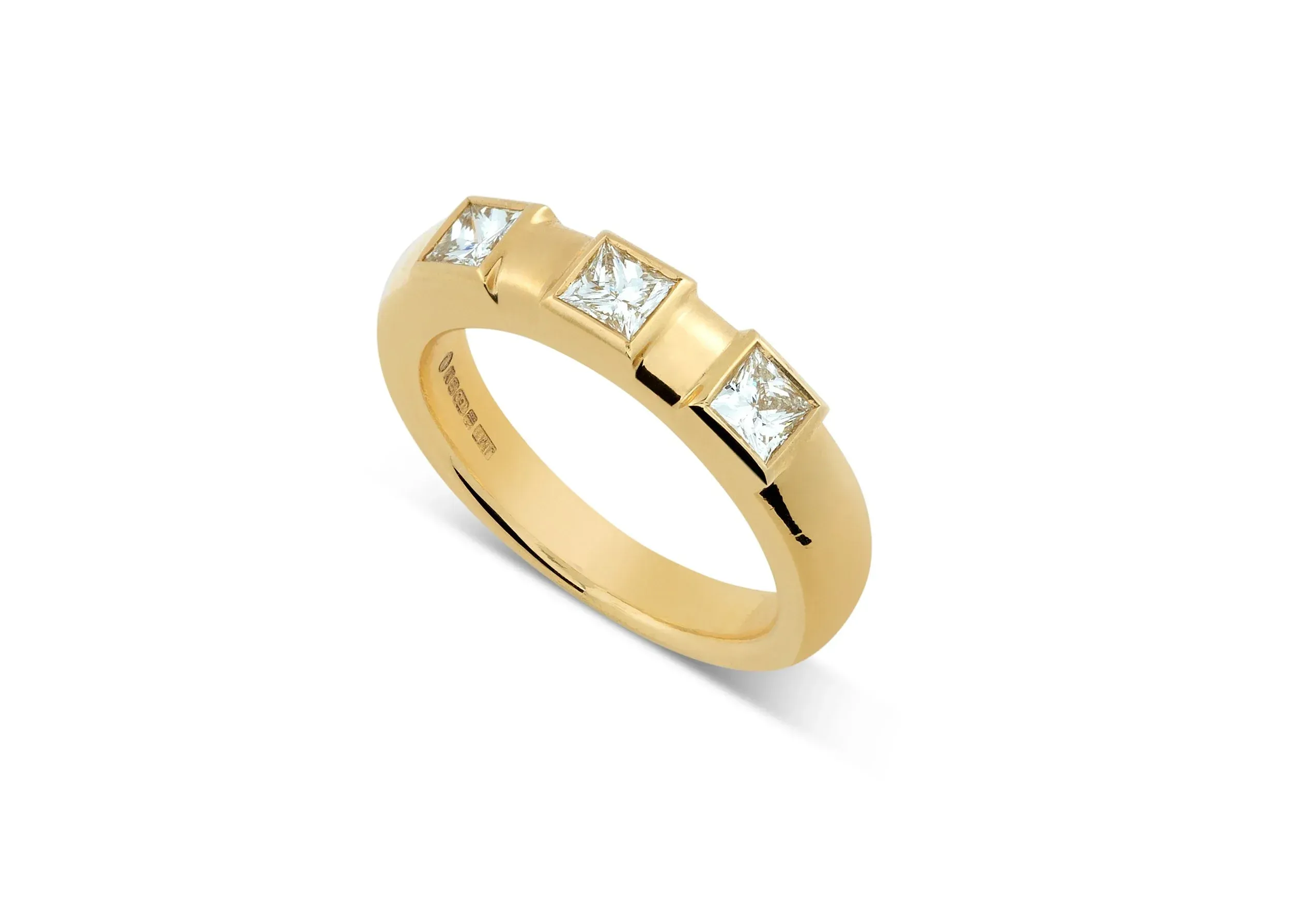
Jessie Thomas triple princess cut diamond ring in 18K yellow gold
Sophie Breitmeyer has seen this first-hand. Over the past couple of years, she has created a number of commitment rings for couples who want to celebrate their relationship without getting married, something she says has proved particularly popular with same-sex couples.
Nor does exchanging rings need to coincide with a conventional occasion. They might mark “a chapter, a milestone or a pledge”, says Isabella Hewitt – whatever matters most to you. Eliza Walter makes a similar point: “What I find interesting is how quickly seeing a band on someone’s hand can lead to assumptions around marriage, when perhaps jewellery doesn’t need to have such a fixed definition anymore.”
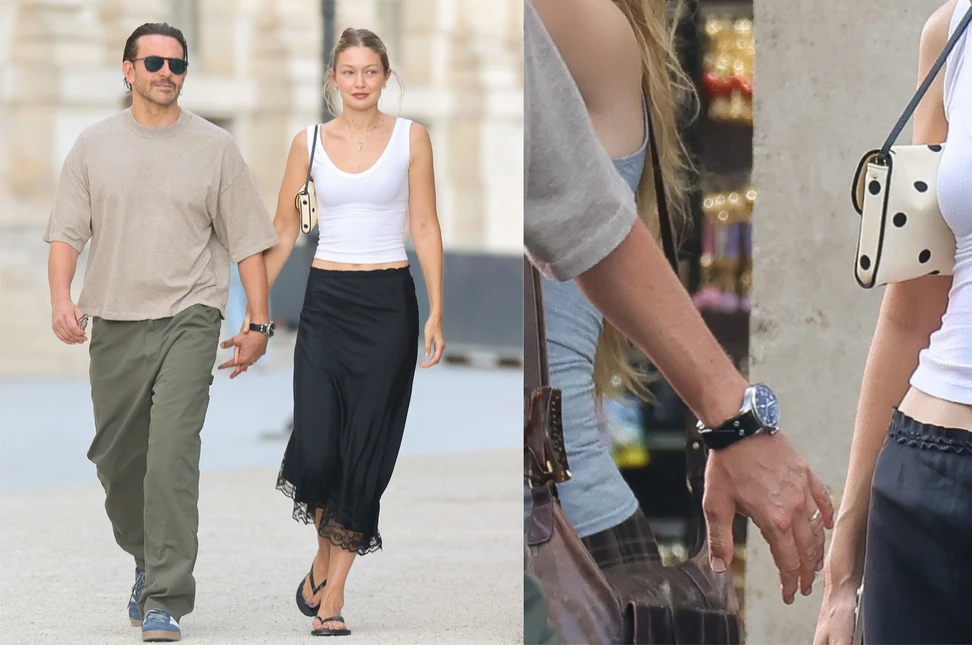
Bradley Cooper and Gigi Hadid sparked rumours when they stepped out in Paris in August, both wearing Boucheron bands on their ring fingers
Whatever the occasion, the act of exchanging rings has lost none of its significance. “There is something incredibly romantic about two people choosing to wear the same simple object and knowing what it represents to them,” Walter adds. The wedding band may be centuries old, but couples today have the freedom to decide what theirs looks like and exactly what it means to them. Not bad for the simplest ring in your jewellery box.


WORDS
Claire Roberts has been writing about jewellery and watches for more than 20 years. She is a seasoned journalist who joined the team 5 years ago as a contributing writer and a newsletter editor.
RelatedArticles
Discover the brand: the story from various angles.