A Day Among Diamonds: My Experience Judging the 9th Diamond Guild Australia Jewellery Awards
Ping! An incoming message from Nadia Neuman back in May made me pick up my phone. It said: “Katerina, I am on a call with the Diamond Guild Australia. Would you like to be one of the judges for this year’s design contest?” It took me 10 seconds to say yes! It was an opportunity to make my dream of visiting Australia come true and to do it in my favourite way, surrounded by jewellery. This is the story behind that special trip and the results of the 9th edition of the esteemed 9th Diamond Guild Australia Jewellery Awards competition…
The association that organises the awards each year is a not-for-profit organisation of industry leaders, first established in 2005. Since then, the Diamond Guild Australia has set the benchmark for excellence in the responsible sale of diamonds, and its biennial awards have become the pinnacle of Australian jewellery design.
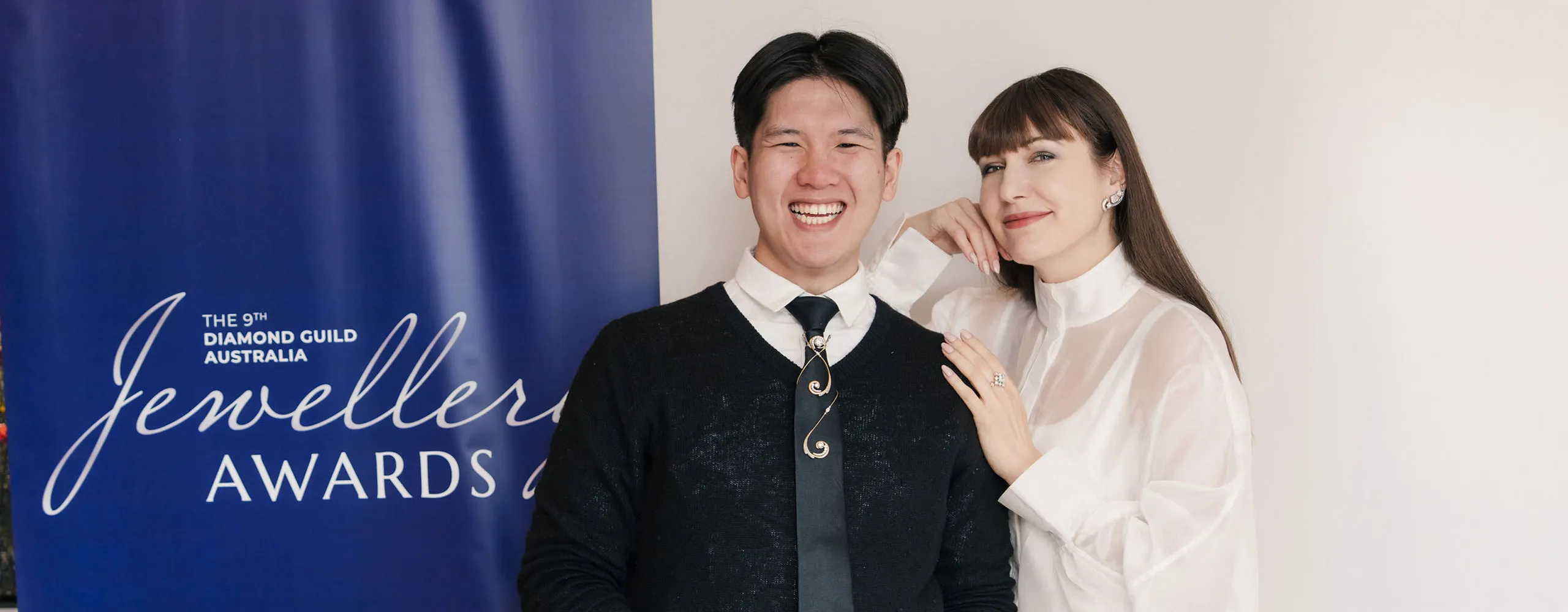
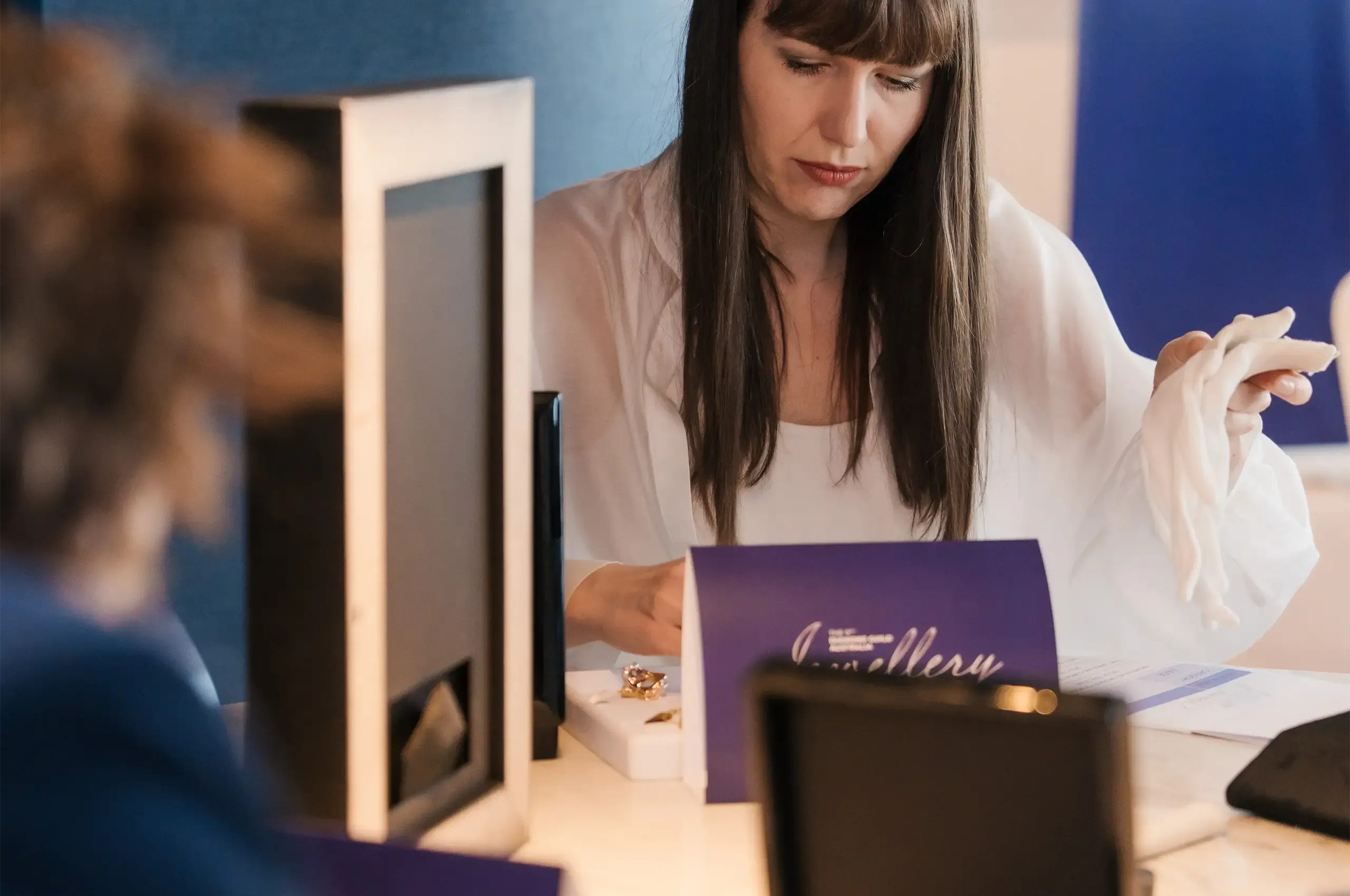
On August 11, I found myself in a hotel suite together with Lester Brand, a respected industry figure and technical advisor; Dr Brandon Gien, founder and chair of Good Design Australia; and the competition’s fashion partner Joash Teo. Each of us brought a different lens to the submissions. I was looking at aesthetics, uniqueness, storytelling and wearability; Lester focused on the quality of manufacturing; Brandon assessed design and engineering; and Joash judged the wow effect and those qualities that make a piece stand out. Together, we spent the entire day in Sydney with a stunning view of Darling Harbour, surrounded by diamonds, listening to good music and… feeling a little bit of pressure to give the right score to what we saw in front of us.
Designers, models and guests celebrate Australian jewellery design at the 9th Diamond Guild Australia Jewellery Awards in Sydney
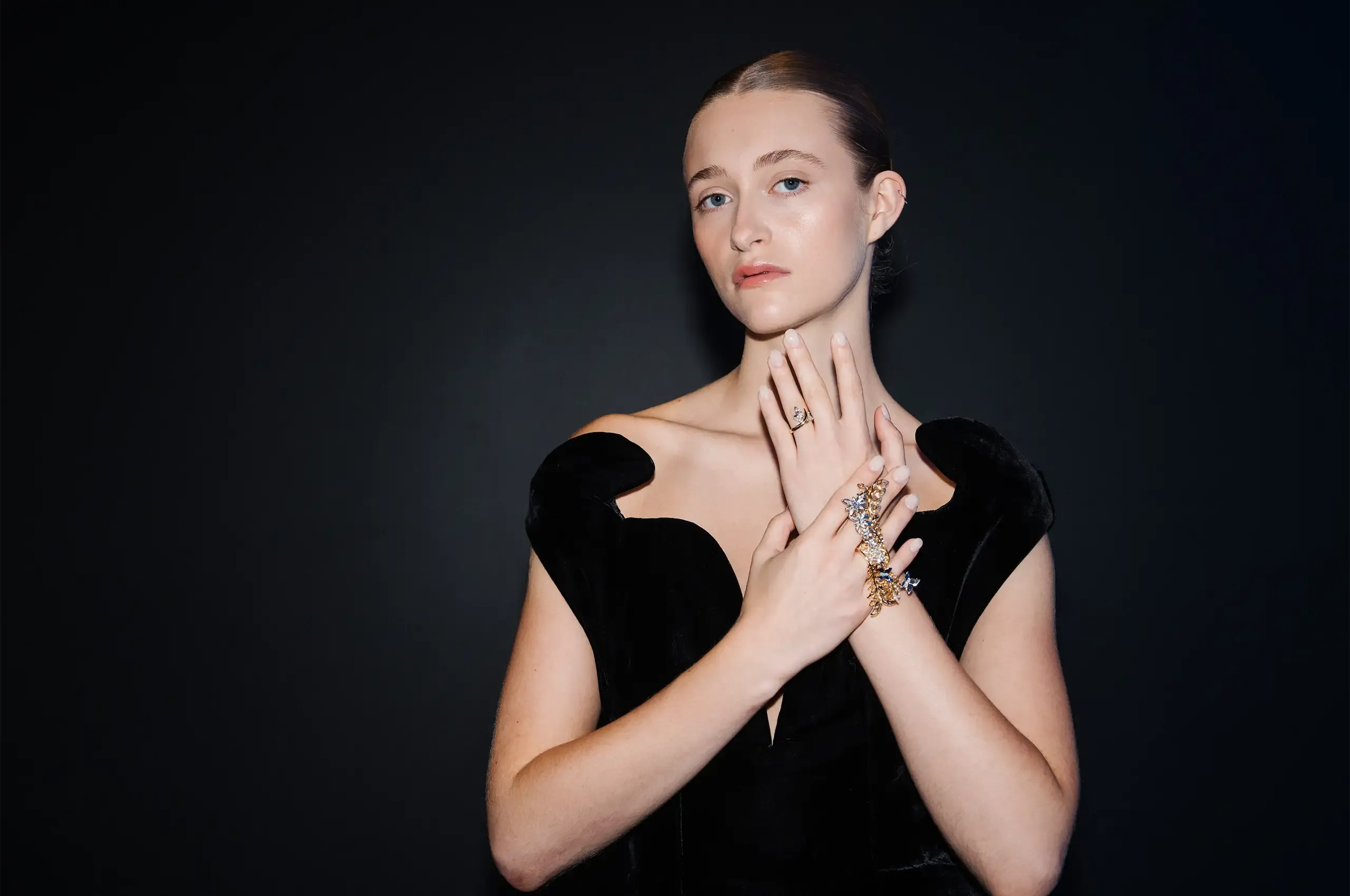
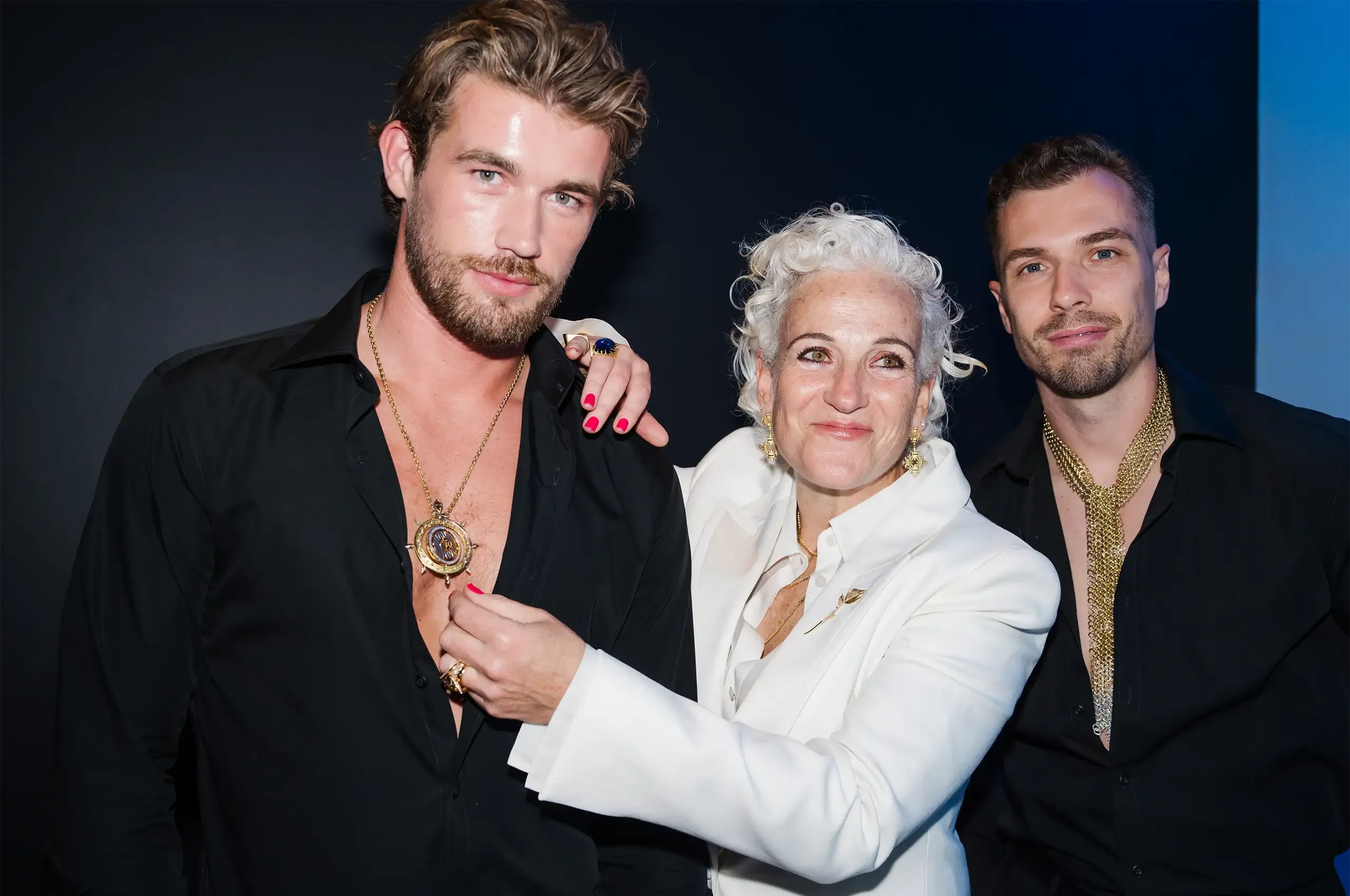
Designers, models and guests celebrate Australian jewellery design at the 9th Diamond Guild Australia Jewellery Awards in Sydney
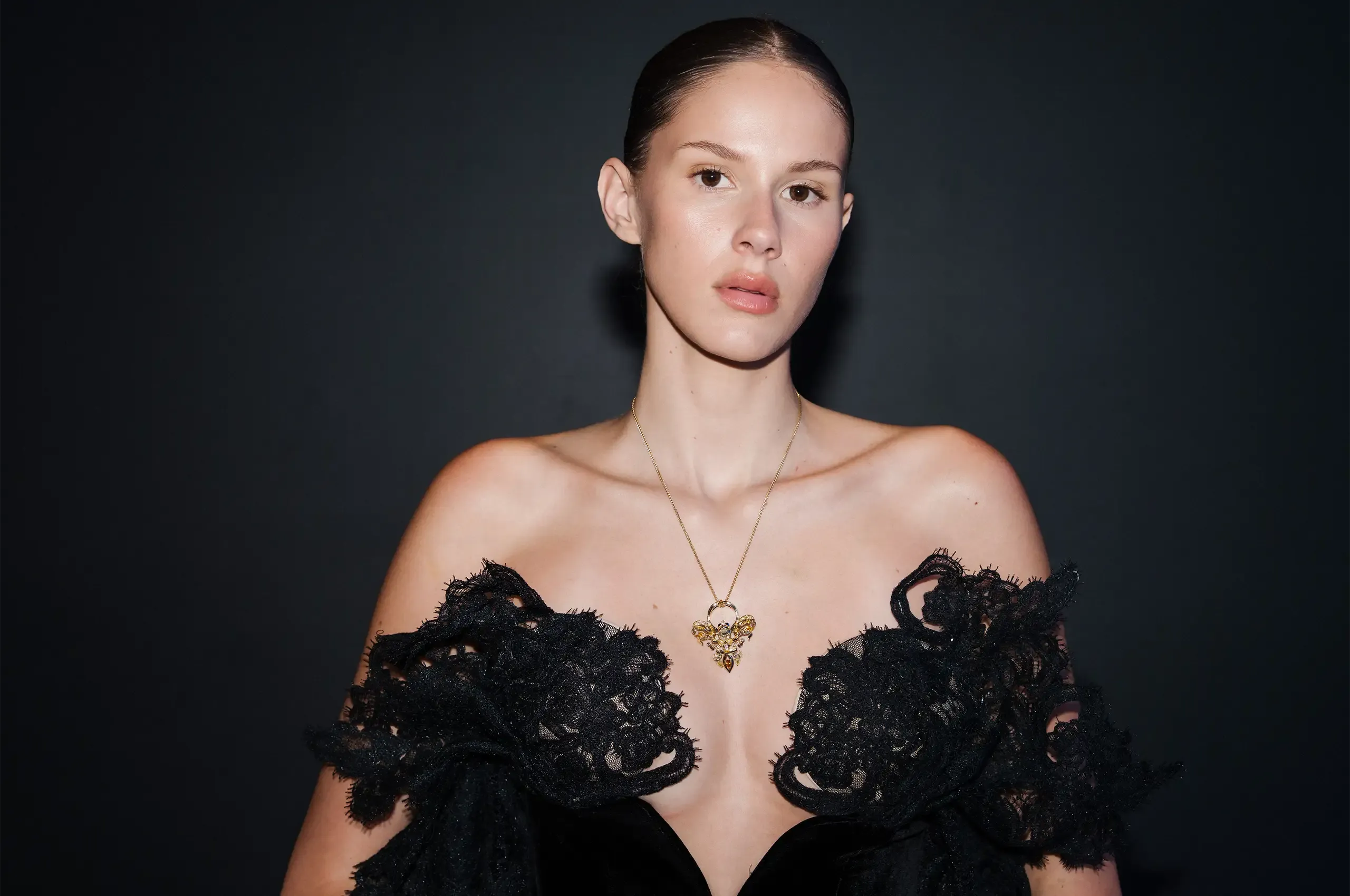
Designers, models and guests celebrate Australian jewellery design at the 9th Diamond Guild Australia Jewellery Awards in Sydney
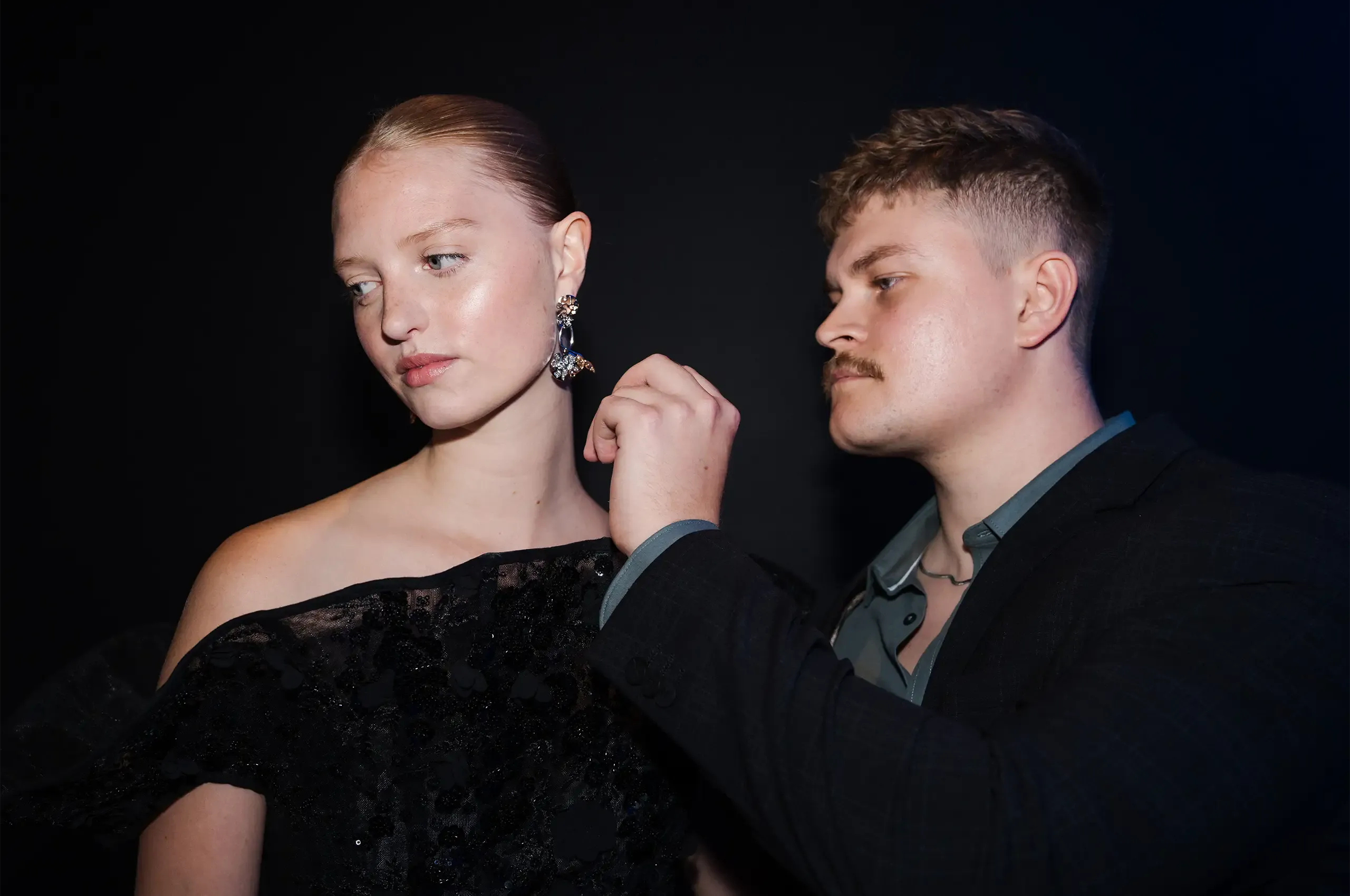
Designers, models and guests celebrate Australian jewellery design at the 9th Diamond Guild Australia Jewellery Awards in Sydney
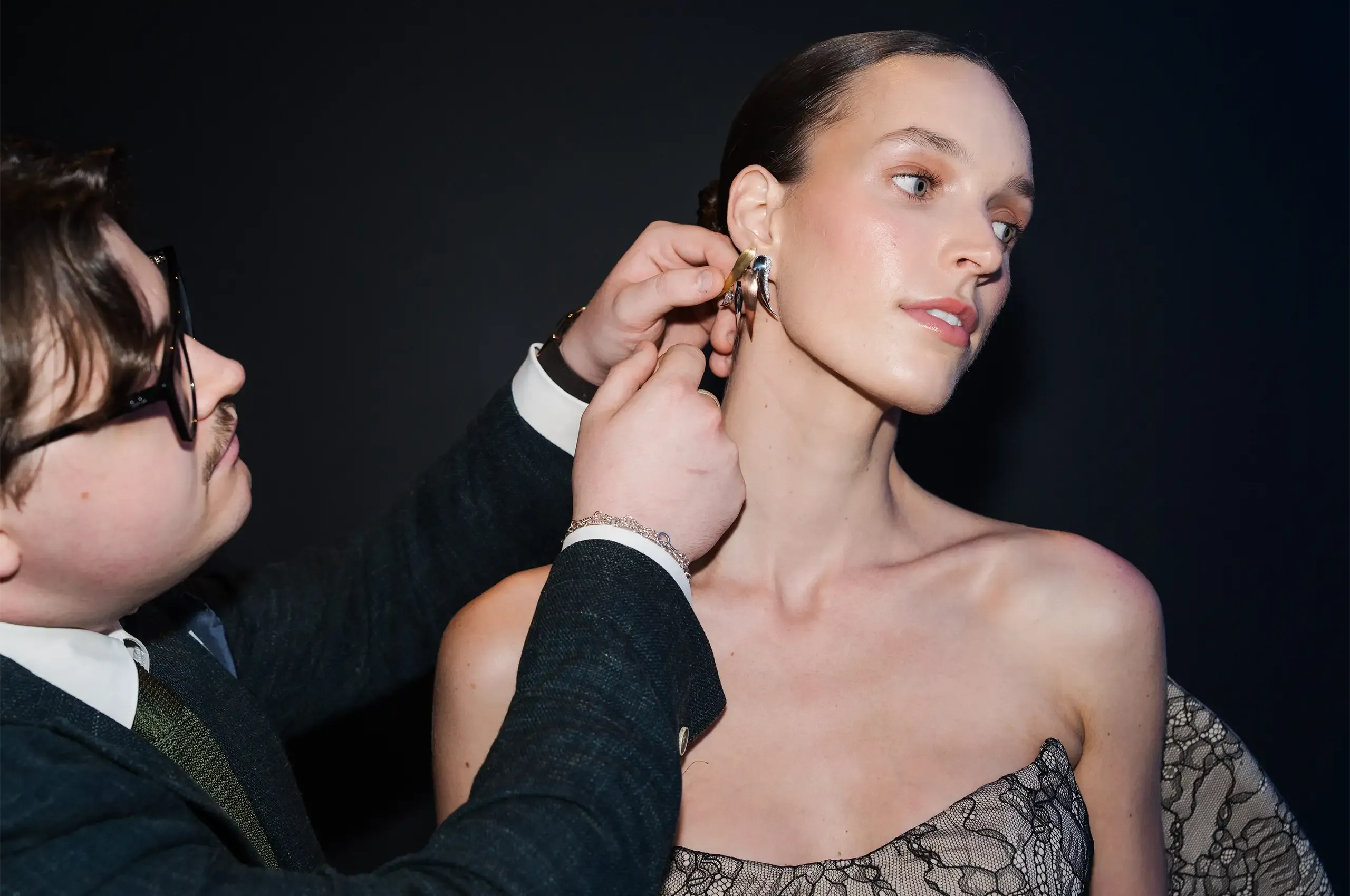
Designers, models and guests celebrate Australian jewellery design at the 9th Diamond Guild Australia Jewellery Awards in Sydney
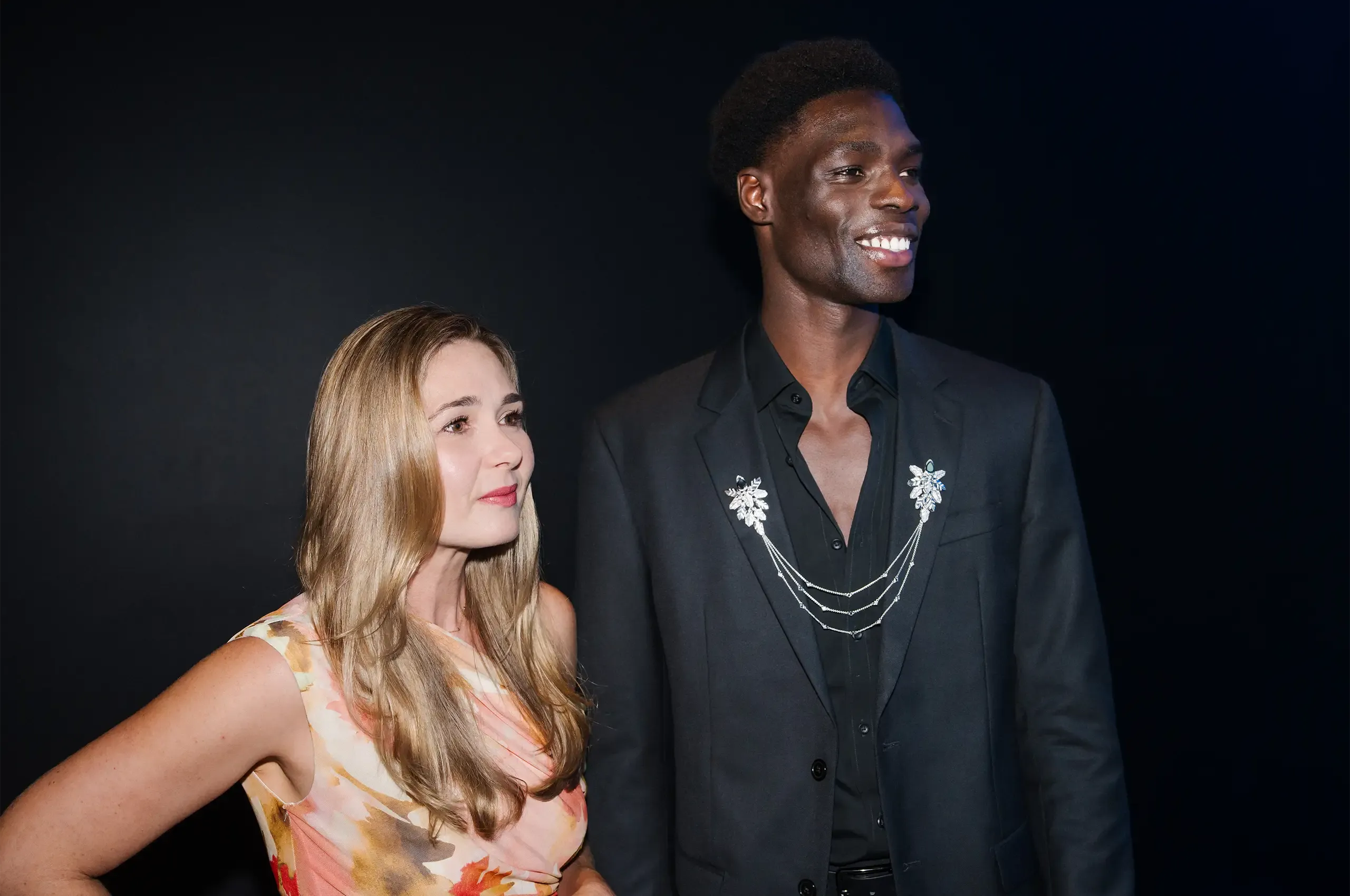
Designers, models and guests celebrate Australian jewellery design at the 9th Diamond Guild Australia Jewellery Awards in Sydney
The Competition
Overall, I felt that this was the strongest demonstration of design talent that the competition has seen over the last ten years, and this was also alluded to by the organisers. I was genuinely impressed and inspired, seeing so much beauty, originality and innovation in one place. It was my first time being exposed to such a variety of Australian jewellers – I felt like I was speed dating with the local jewellery scene! Some submissions came from renowned houses like Callija (below) or Mondial, while others were from niche and bespoke designers. Made-to-order jewellery, I learned, is incredibly popular in Australia, and it showed in the level of detail and personal expression woven into each piece.
Contest Categories
There were ten categories this year: Solitaire, Diamonds for Men, Diamonds for Everyday, Red Carpet, Fancy Colour, Design for Diamonds, Diamonds Reimagined, and Emerging Talent, plus The Supreme Award and the People’s Choice Award.
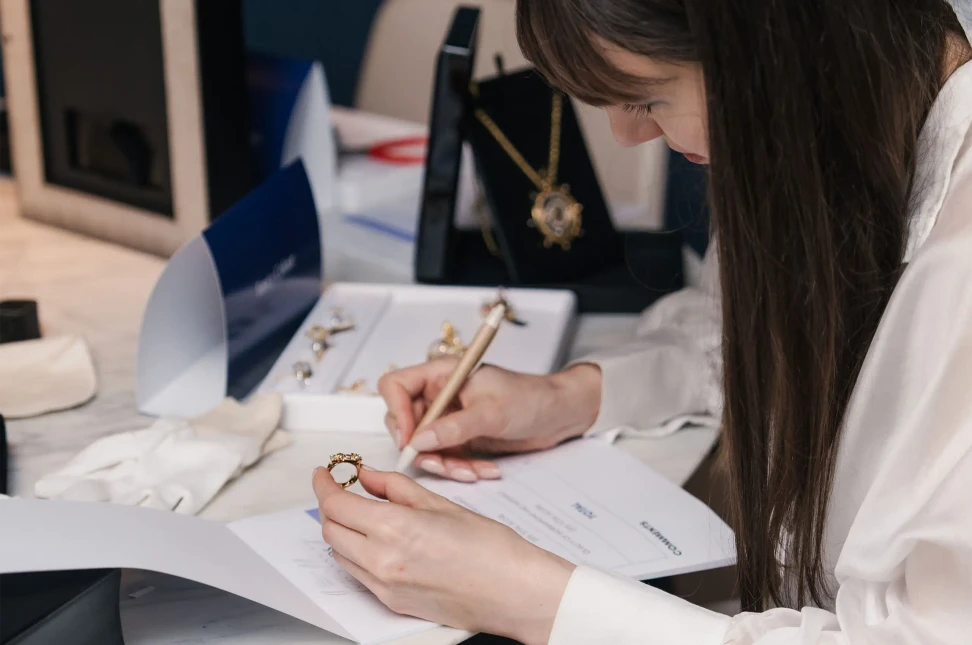
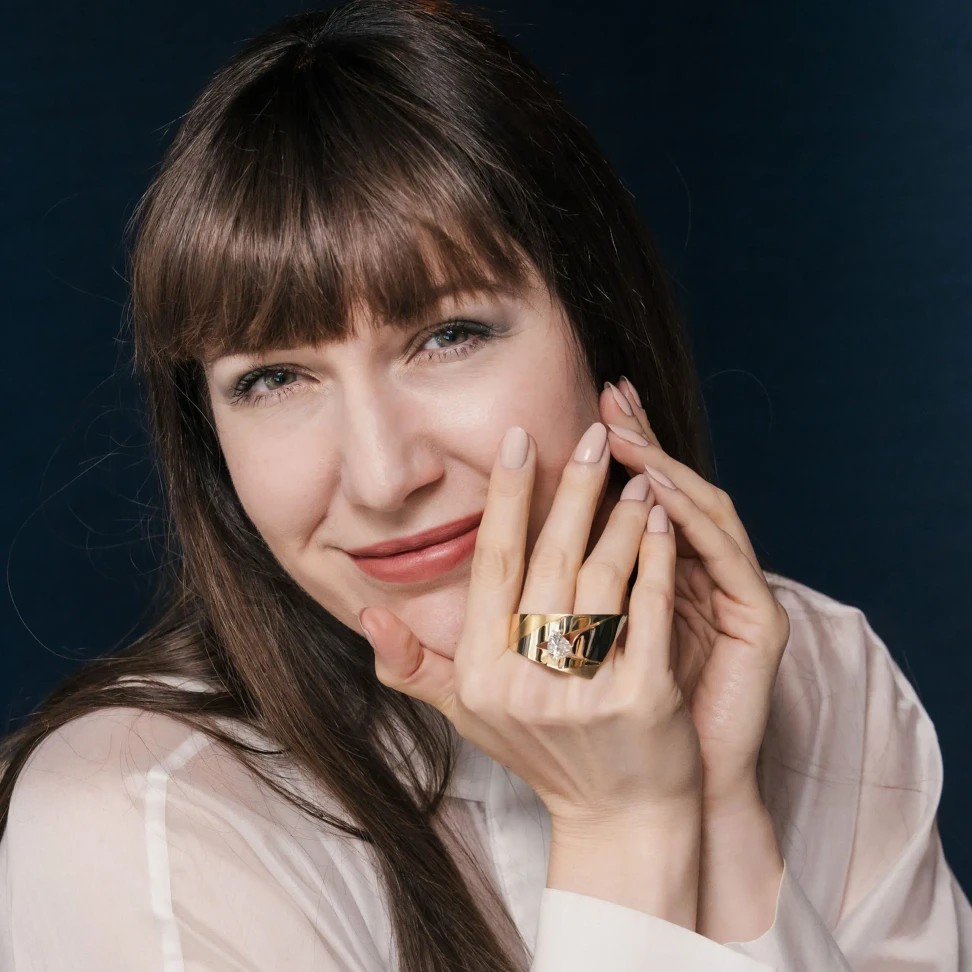
Katerina Perez examines one of the entries during the judging of the 9th Diamond Guild Australia Jewellery Awards
The last two were new for this year, and I was particularly excited to see Diamonds Reimagined as this celebrates the repurposing of existing pieces and aligns beautifully with sustainability and the sentimental value of heirlooms. Each category had between three and eight submissions, with the most entries being for the Fancy Colour Diamond and Red Carpet accolades.
Now, you might be interested to hear the technical process of judging the jewels (or drawings in one category) that were put in front of us. Each piece could gain between one and eight points based on three criteria: innovation and originality of design (50%), market appeal and current design relevance (25%), and quality of workmanship and materials (25%). Personally, I felt that we could add storytelling and wearability as a judging factor in addition to these three, as, for me, they are as important as originality; nevertheless, the proposed framework worked well. It ensured that we were rewarding real-world excellence and not just spectacle.
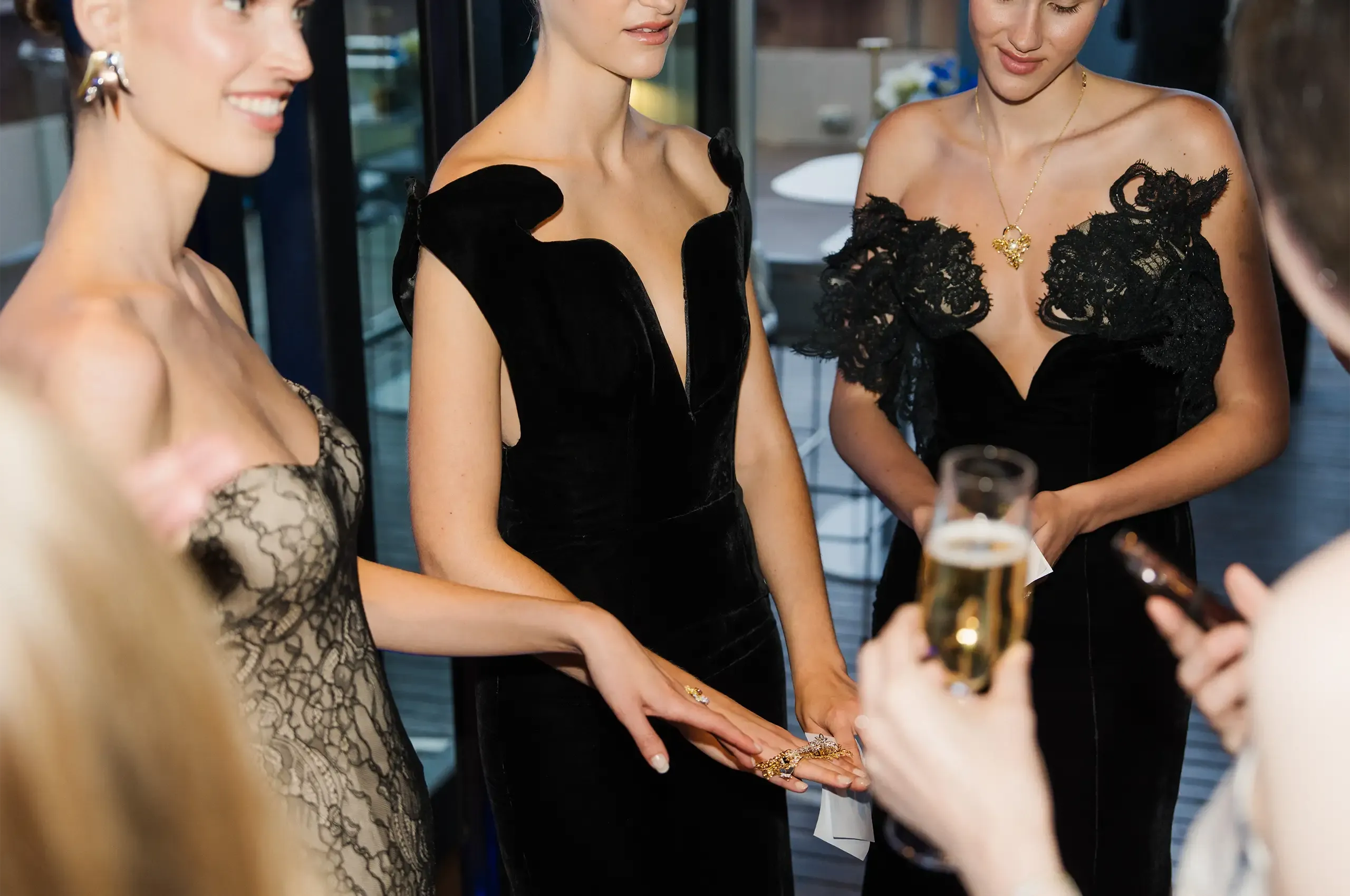
Highlights from the 9th Diamond Guild Australia Jewellery Awards ceremony in Sydney, where Australia’s finest jewellery designers gathered to celebrate the winners of this year’s competition
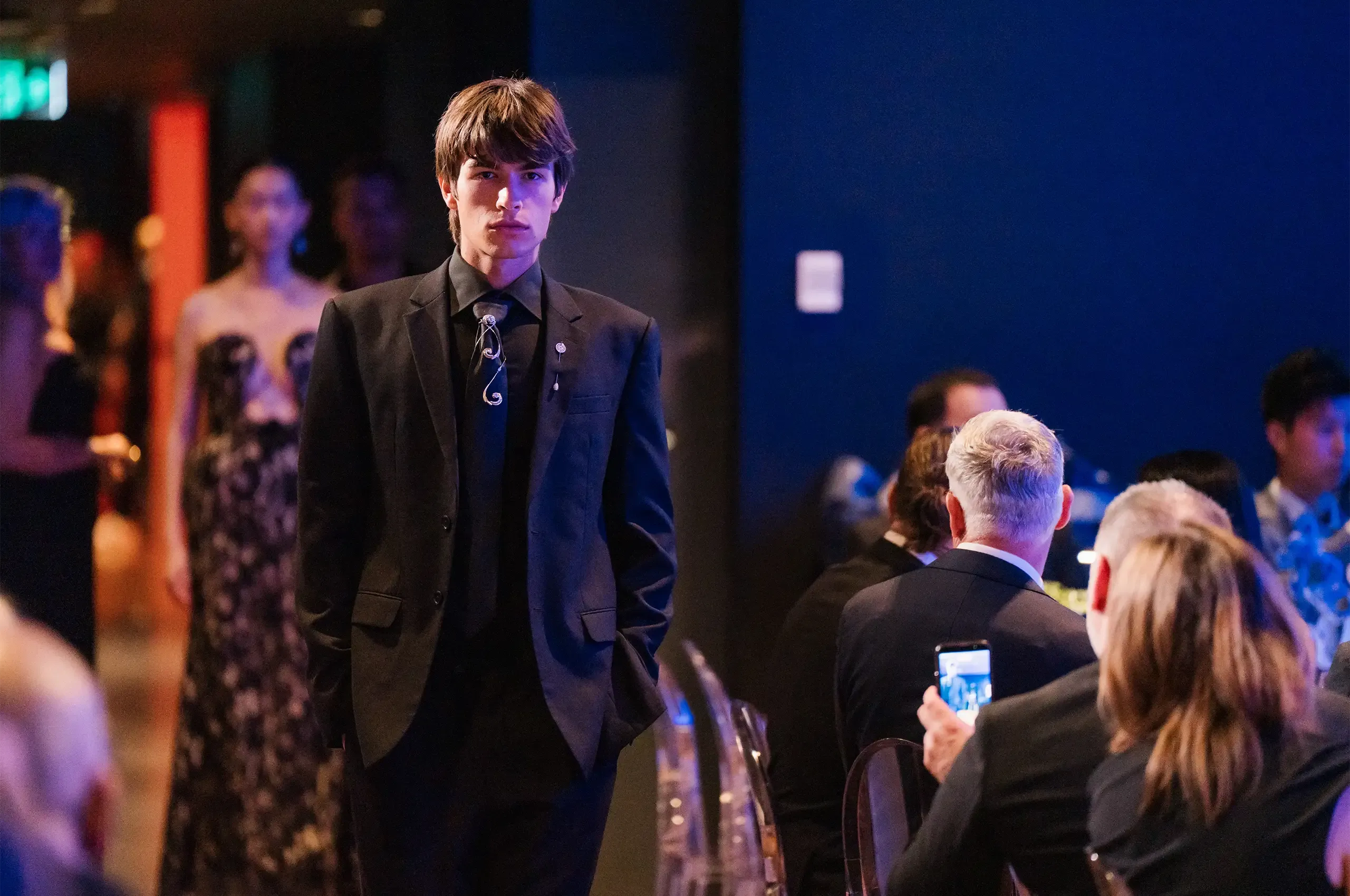
Highlights from the 9th Diamond Guild Australia Jewellery Awards ceremony in Sydney, where Australia’s finest jewellery designers gathered to celebrate the winners of this year’s competition
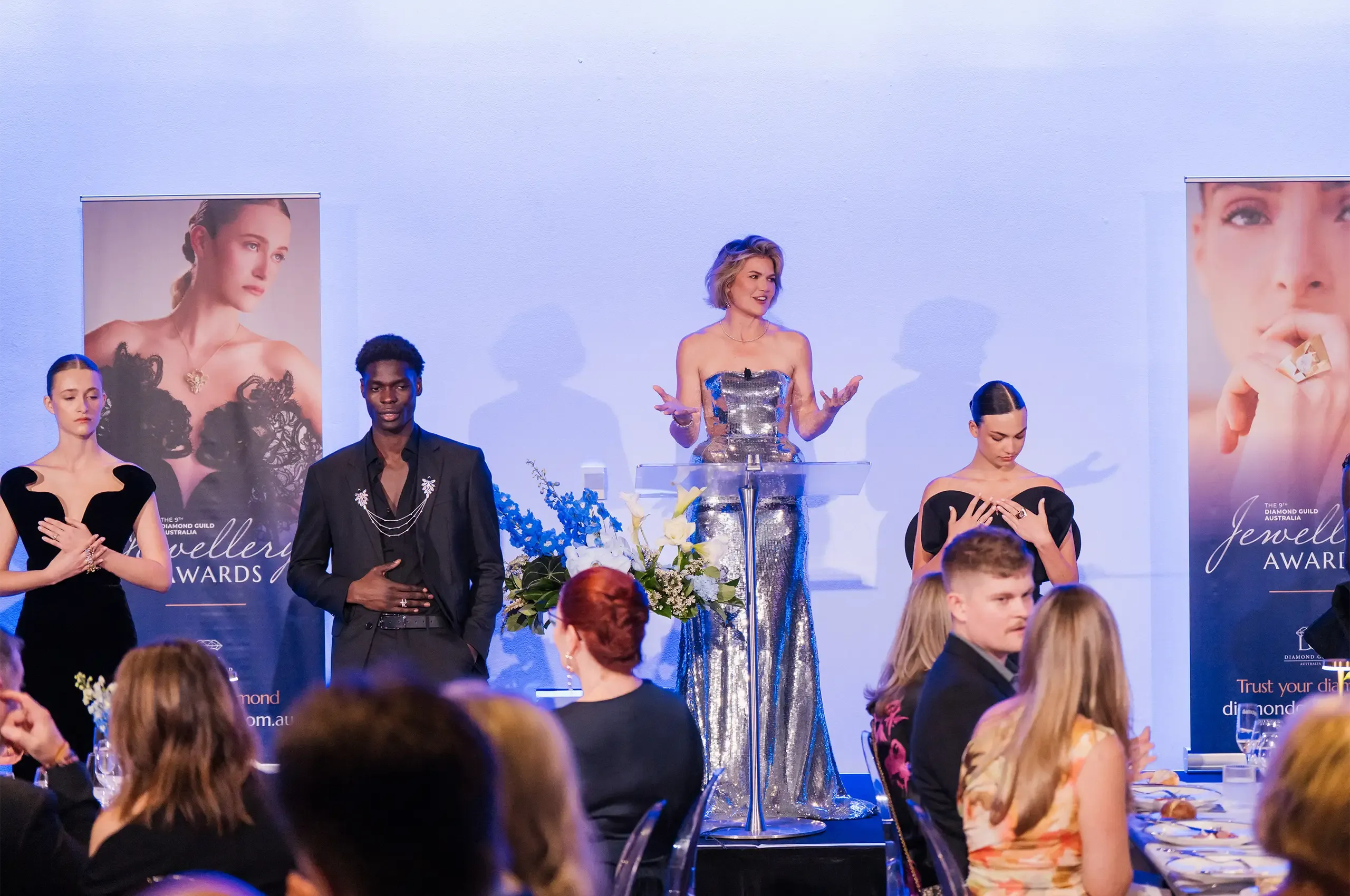
Highlights from the 9th Diamond Guild Australia Jewellery Awards ceremony in Sydney, where Australia’s finest jewellery designers gathered to celebrate the winners of this year’s competition
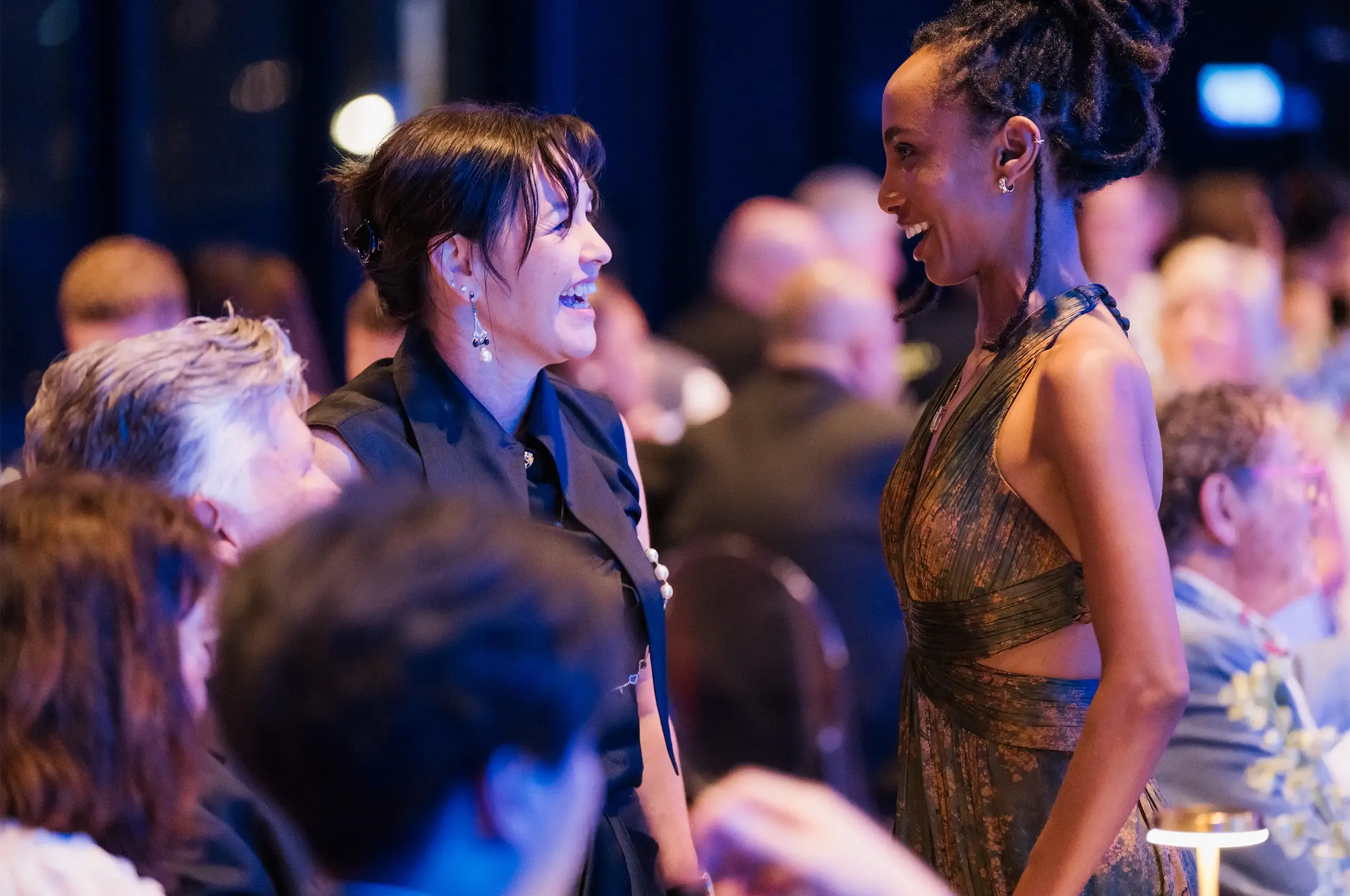
Highlights from the 9th Diamond Guild Australia Jewellery Awards ceremony in Sydney, where Australia’s finest jewellery designers gathered to celebrate the winners of this year’s competition
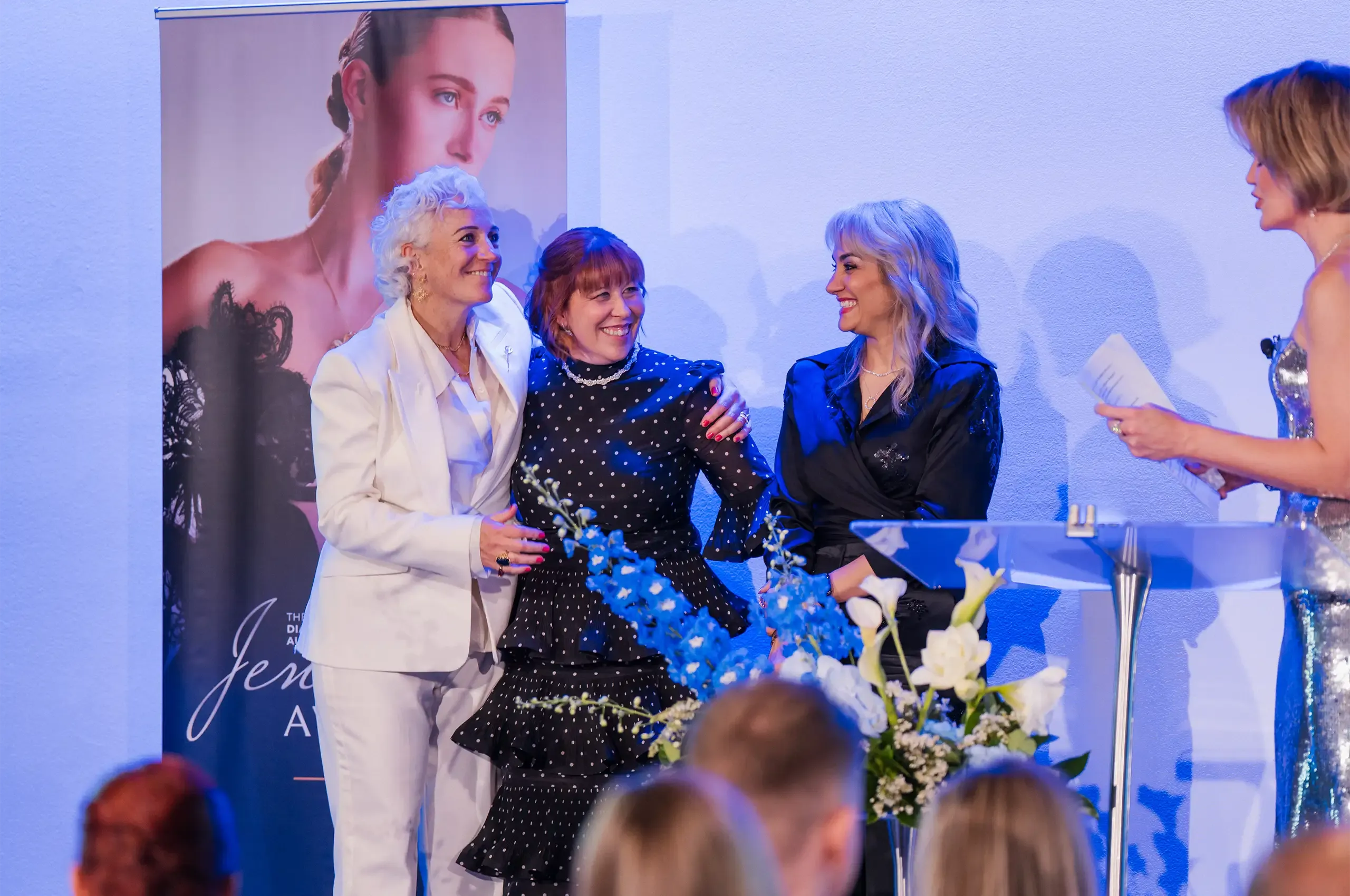
Highlights from the 9th Diamond Guild Australia Jewellery Awards ceremony in Sydney, where Australia’s finest jewellery designers gathered to celebrate the winners of this year’s competition
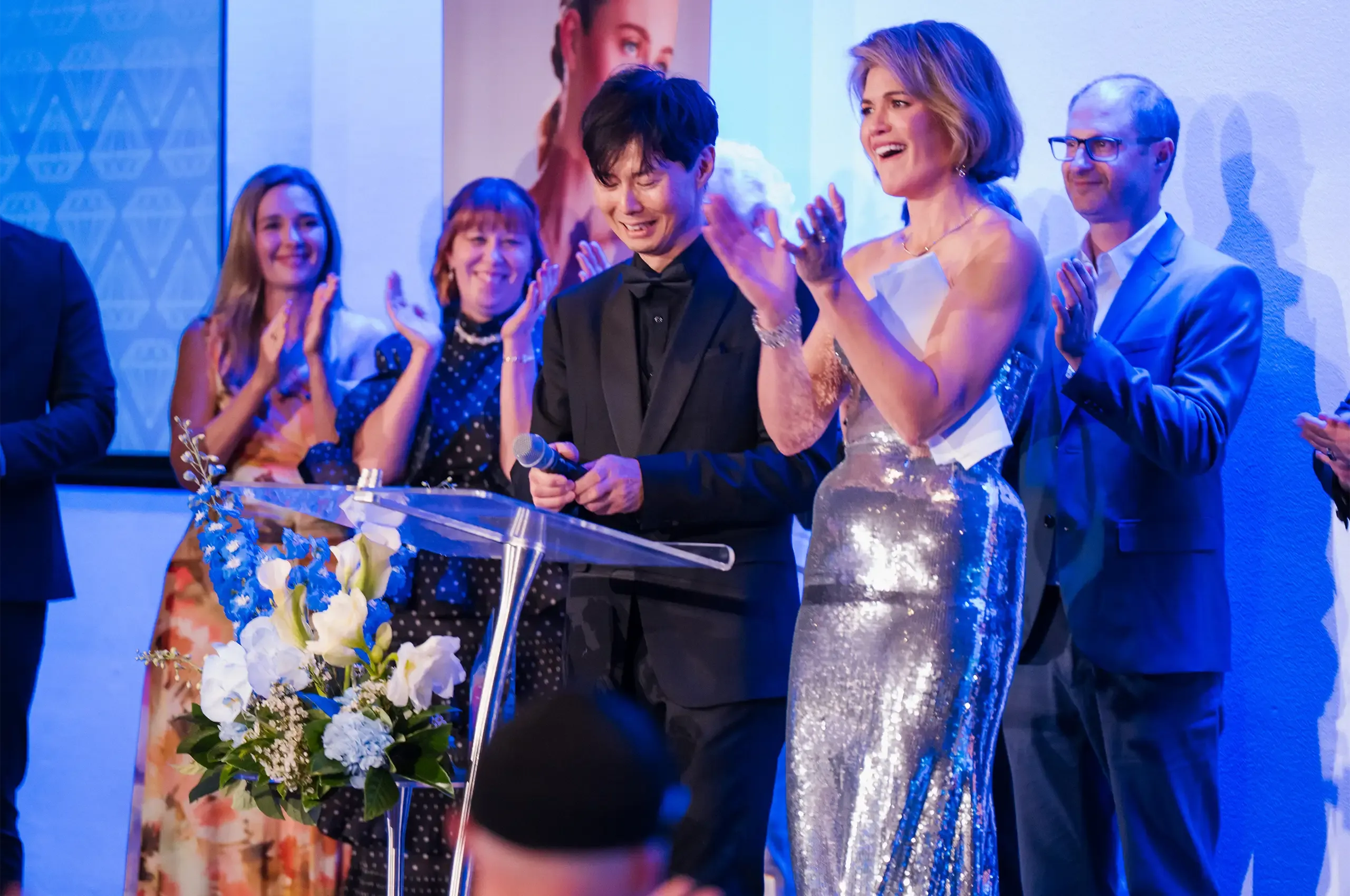
Highlights from the 9th Diamond Guild Australia Jewellery Awards ceremony in Sydney, where Australia’s finest jewellery designers gathered to celebrate the winners of this year’s competition
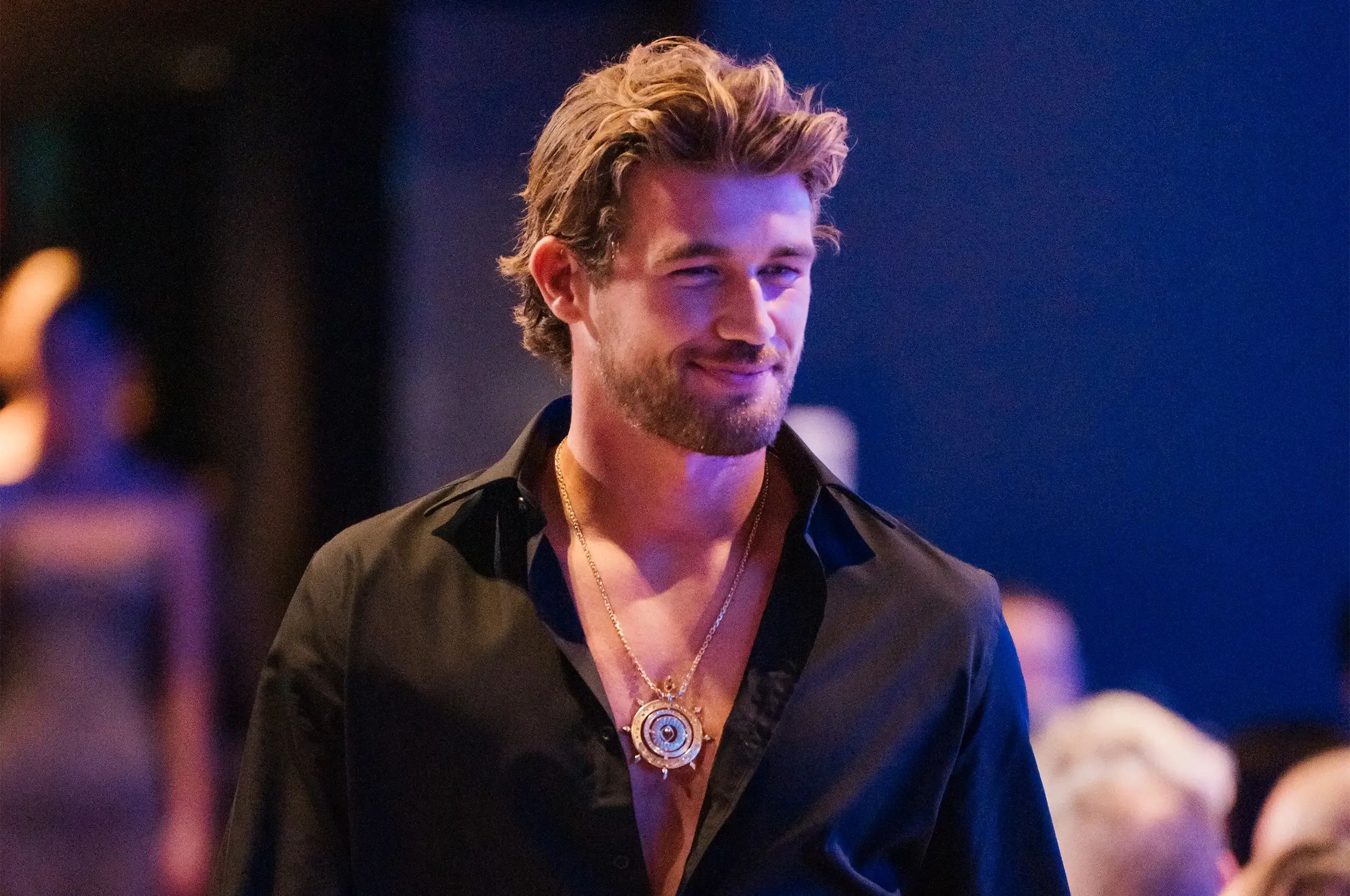
Highlights from the 9th Diamond Guild Australia Jewellery Awards ceremony in Sydney, where Australia’s finest jewellery designers gathered to celebrate the winners of this year’s competition
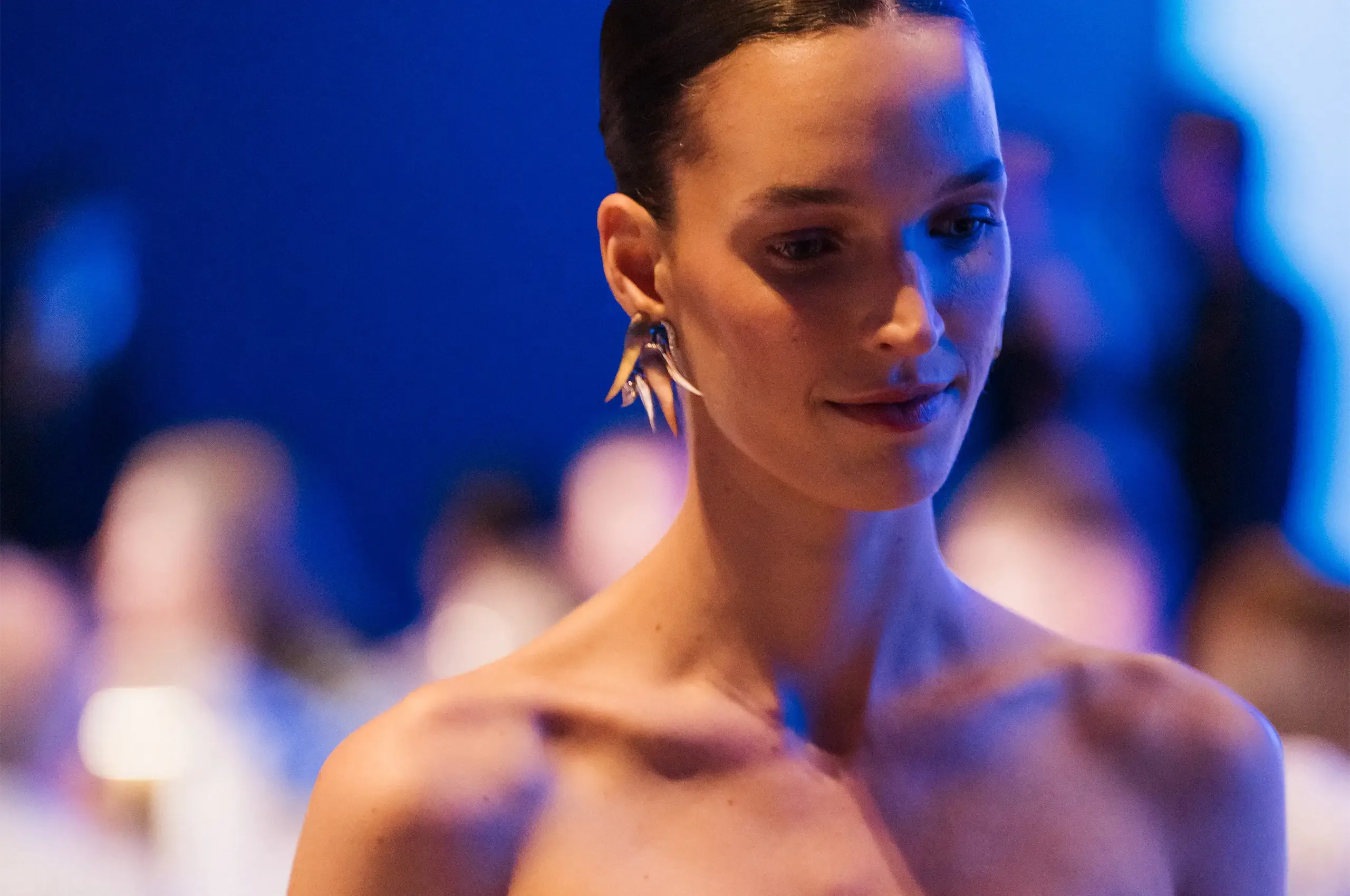
Highlights from the 9th Diamond Guild Australia Jewellery Awards ceremony in Sydney, where Australia’s finest jewellery designers gathered to celebrate the winners of this year’s competition
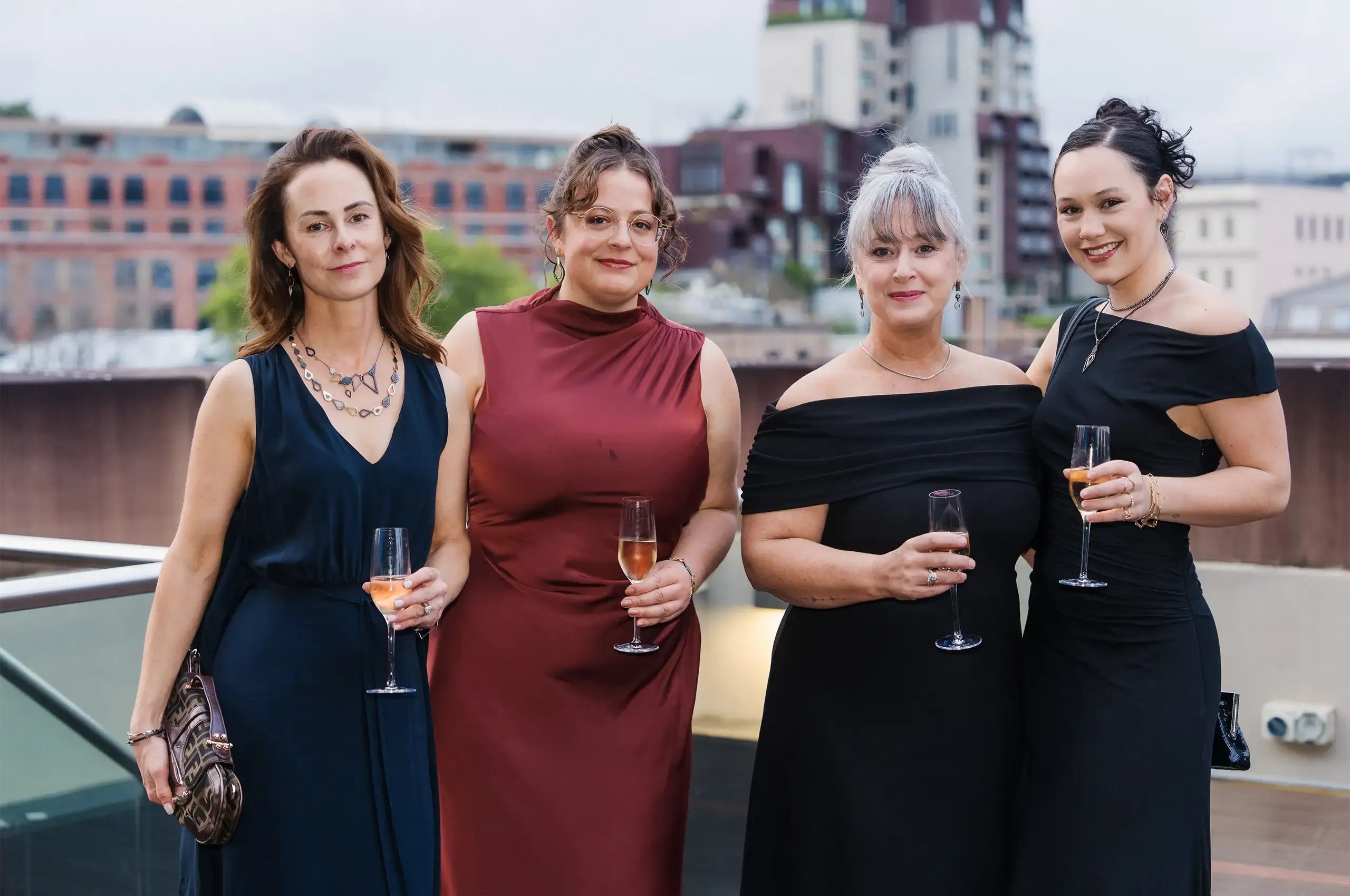
Highlights from the 9th Diamond Guild Australia Jewellery Awards ceremony in Sydney, where Australia’s finest jewellery designers gathered to celebrate the winners of this year’s competition
Technical Innovation
As judges, we didn’t only look at the beauty of the jewels. What stood out for me, almost immediately, was the level of technical innovation on display. There were pieces that quite literally moved, swivelled and transformed, adding an element of surprise to an already impressive design. One ring by Travis Trewarne featured a wide dome-shaped shank that prevented the ring from falling to the side once placed on a table, making it a swivelling art object. It was covered with black nanoceramic on the inside to create a visual play of contrasts with white gold. The diamond on top of it swivelled too. Another interesting example was a submission from Creations Jewellers, who came up with a very unusual setting holding a diamond upright, perched on a thin layer of gold. It was a marvel of engineering and aesthetics combined, which I have never actually seen before.
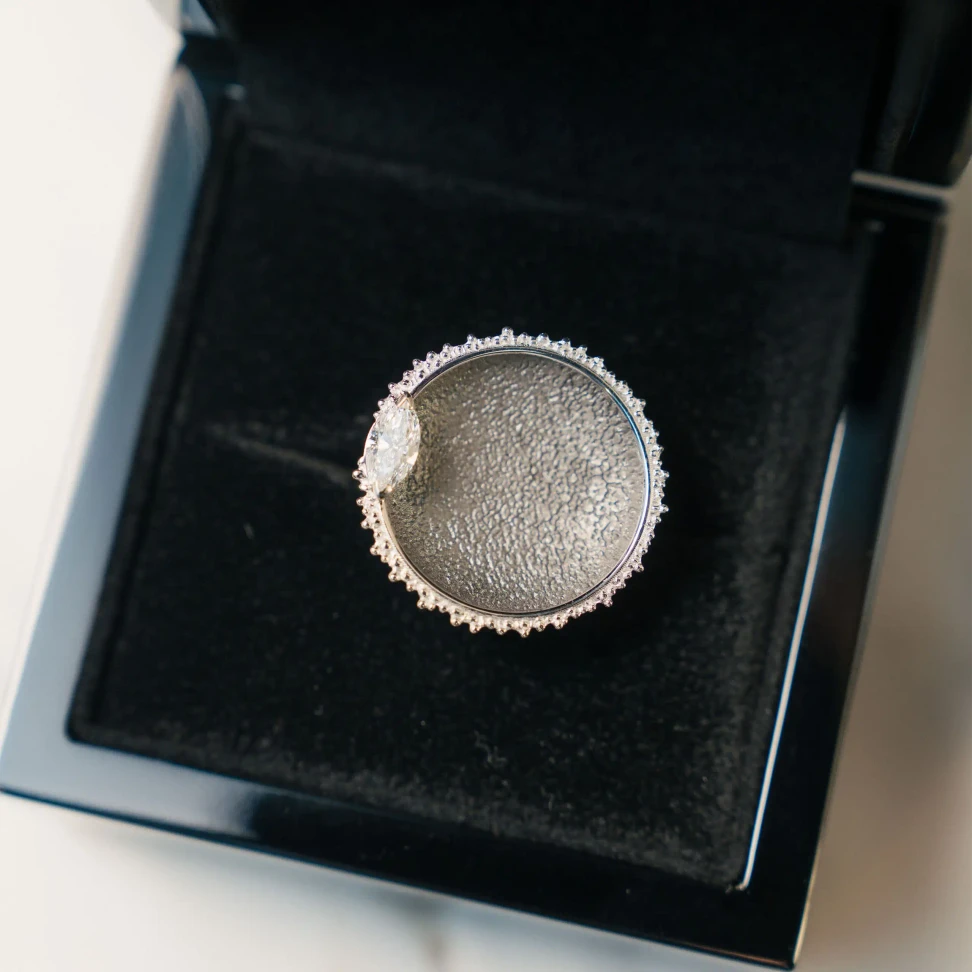
Eclipsis Solis ring by Travis Trewarne of Trewarne Fine Jewellery, inspired by a solar eclipse, with a concave centre and marquise-cut diamond representing the final flash of sunlight
Swarf ring by Creations Jewellers, crafted in 100% recycled 18k yellow gold and set with a 5.02-carat pear-shaped diamond
Transformability
Transformability was another recurring theme: a ring from Artisans Bespoke Jewellery and Martin Rogers could be worn as a pendant too, while a set from Jewels of the Kimberley included a pendant, earrings and a pin that could be combined in various ways. There was also a precious scarf by Nadia Neuman, made entirely of gold and pavé diamond links, that could be styled as a scarf draping down the front or back and wrapped around the neck.
Another standout was a set of identical leaf-design pins by Calleija, each decorated with a pear-shaped black diamond. Three draping chains designed to go with them could be attached to the pins, linking them together to transform two separate jewels into one whole. And I simply have to mention a ring by James Thredgold Jewellers, set with a round brilliant-cut Argyle pink diamond, coupled with a pavé diamond jacket that transforms the look from a traditional solitaire into a cocktail ring.
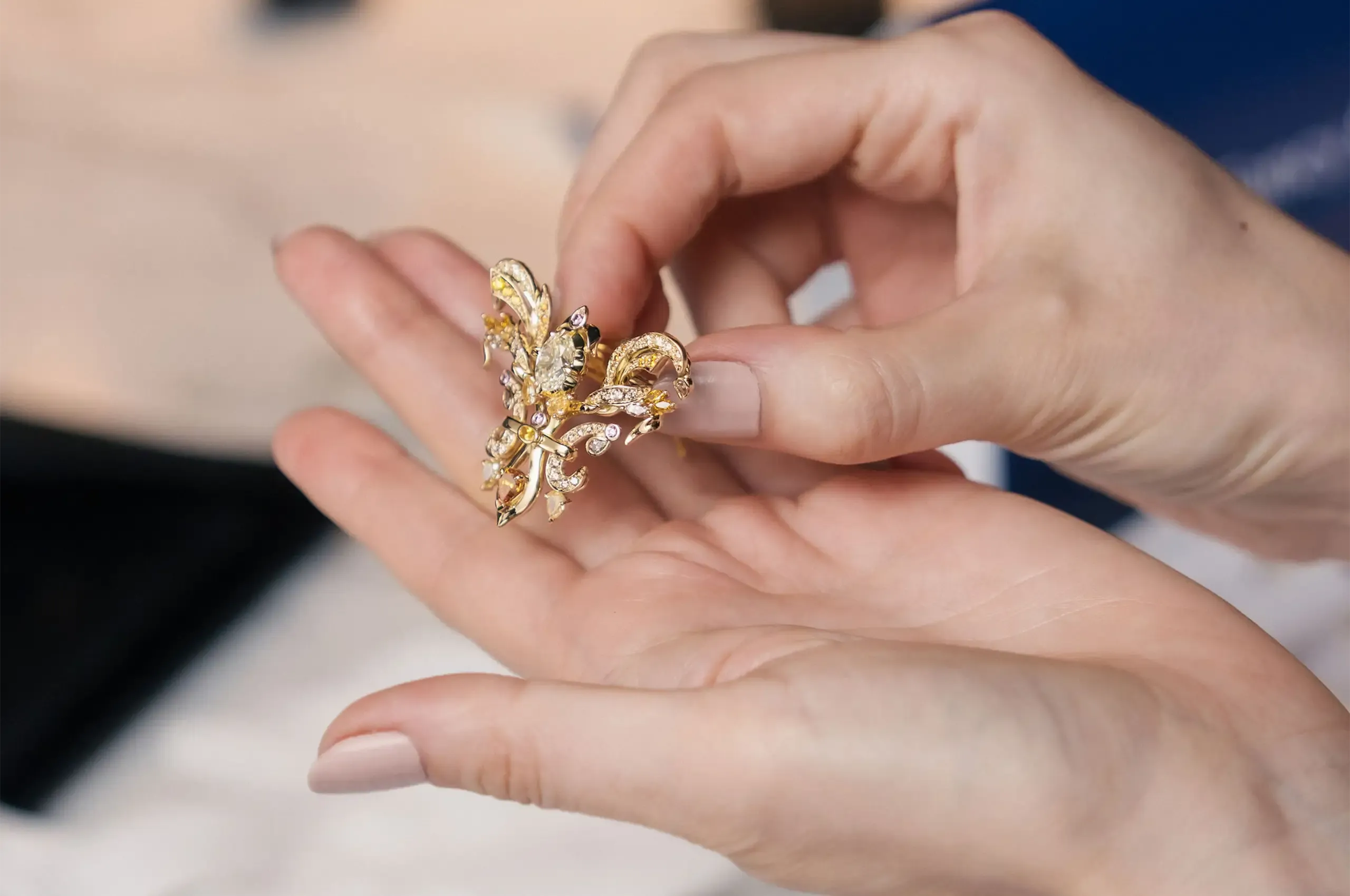
The transformable Kimberley Sunset ring by Tammy Keers of Artisans Bespoke Jewellers
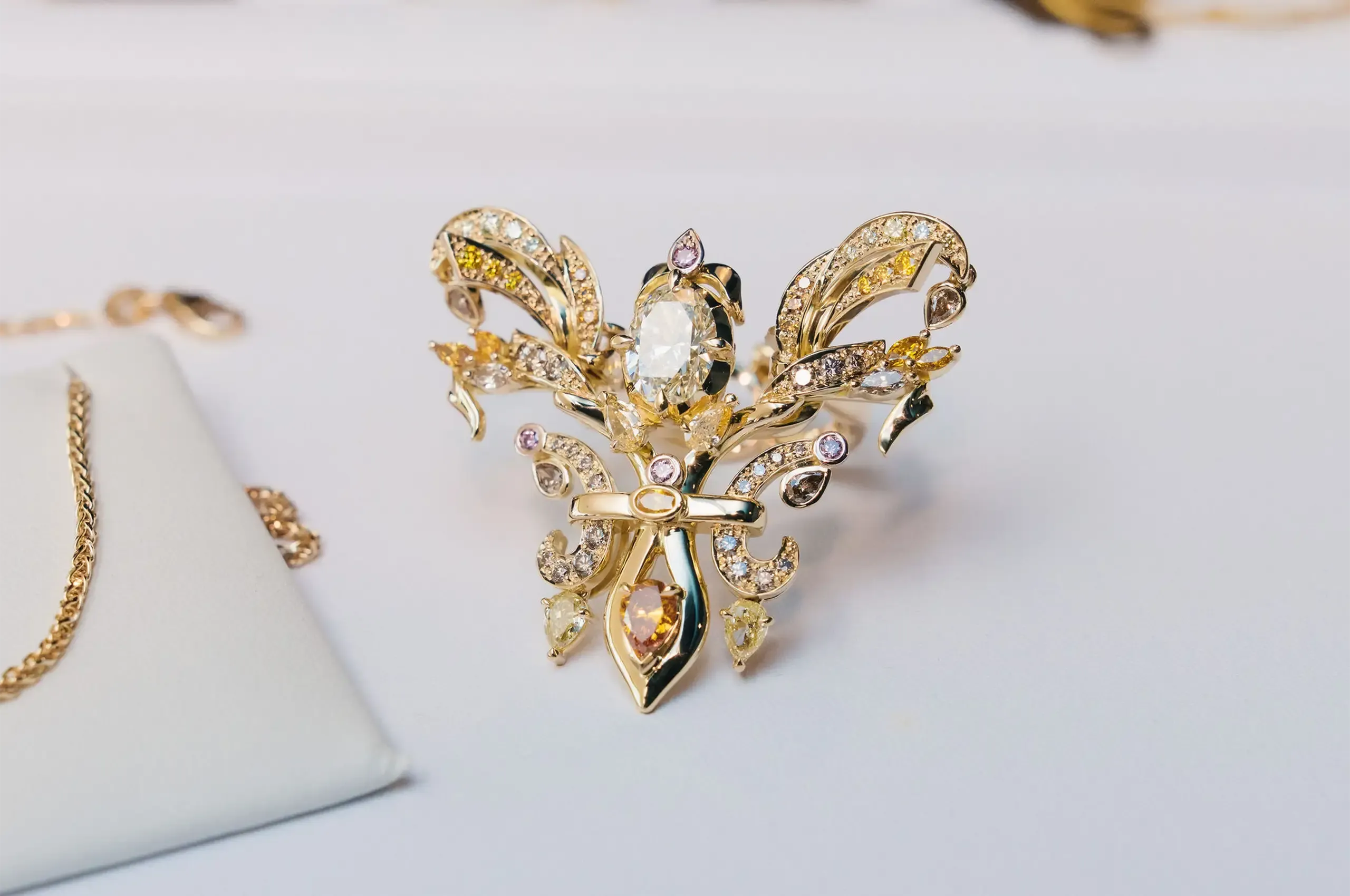
Set with natural fancy coloured diamonds inspired by the colours of an Australian outback sunset, the ring transforms into a pendant
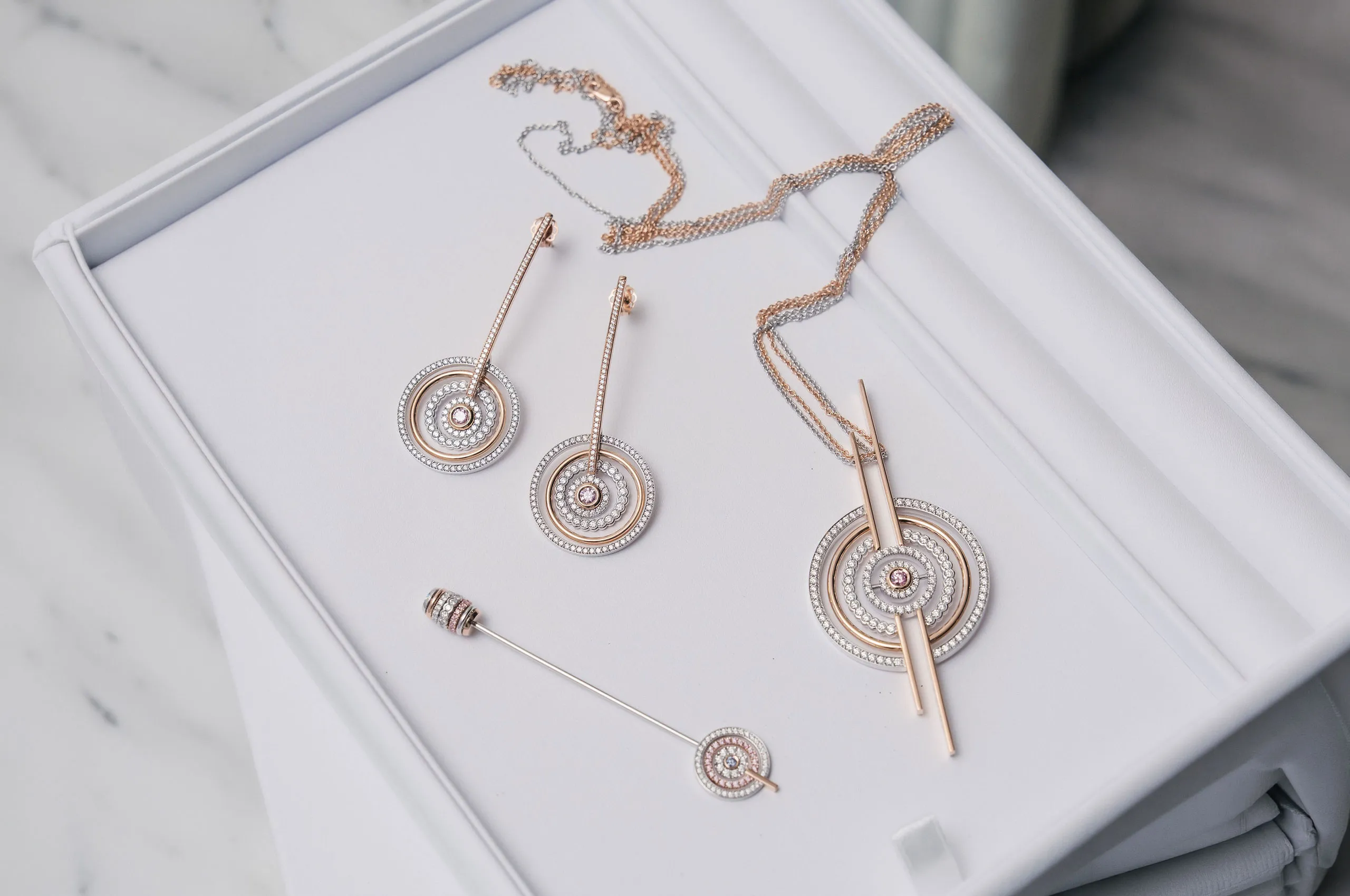
Akhet by Jodi Penfold of Jewels of the Kimberley, an interchangeable jewellery suite in 18ct pink and white gold
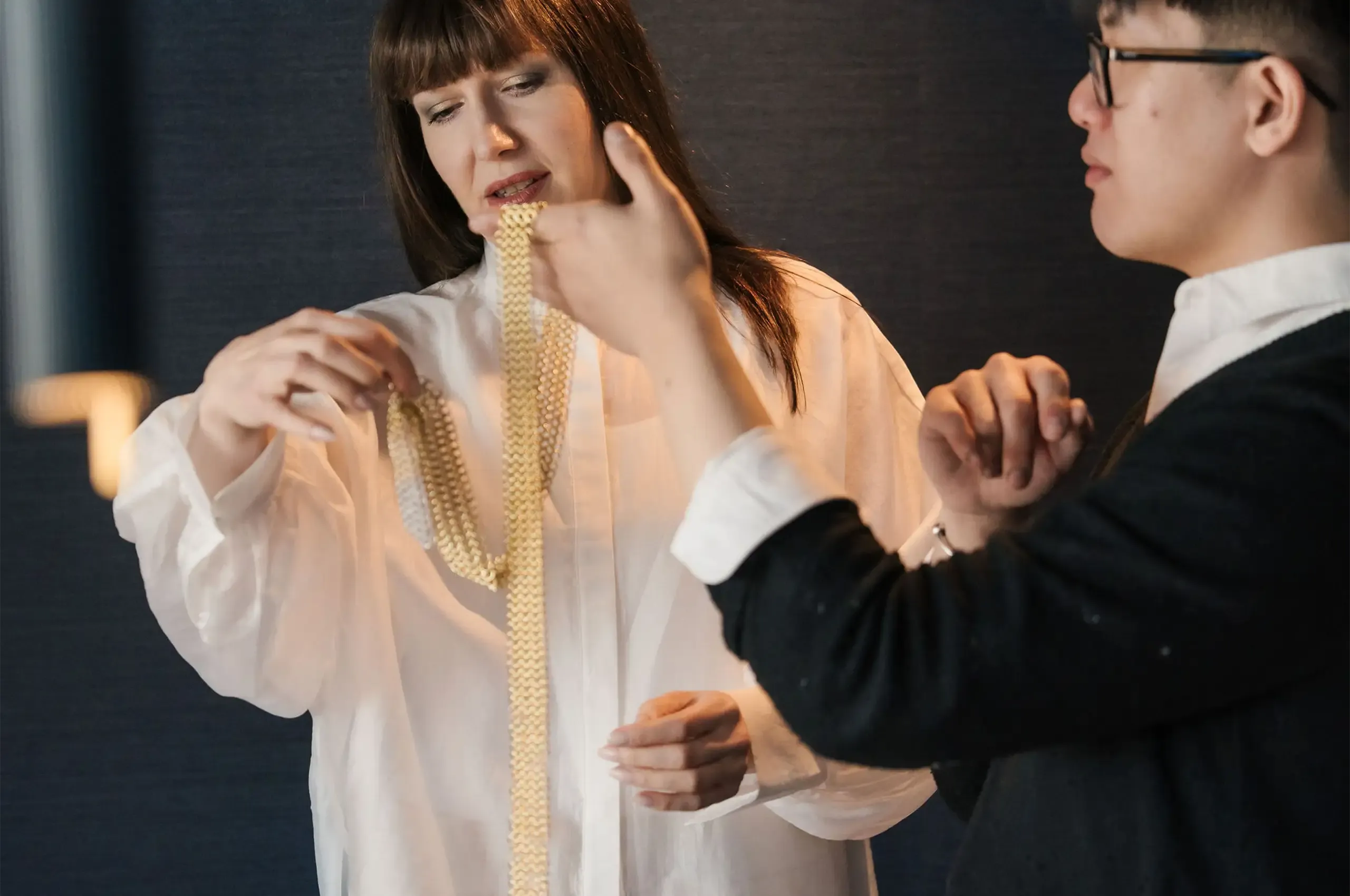
Katerina Perez plays with Draped by Nadia Neuman of Mondial, a chainmail-inspired scarf crafted in 14ct yellow and white gold and set with 19.56 carats of diamonds
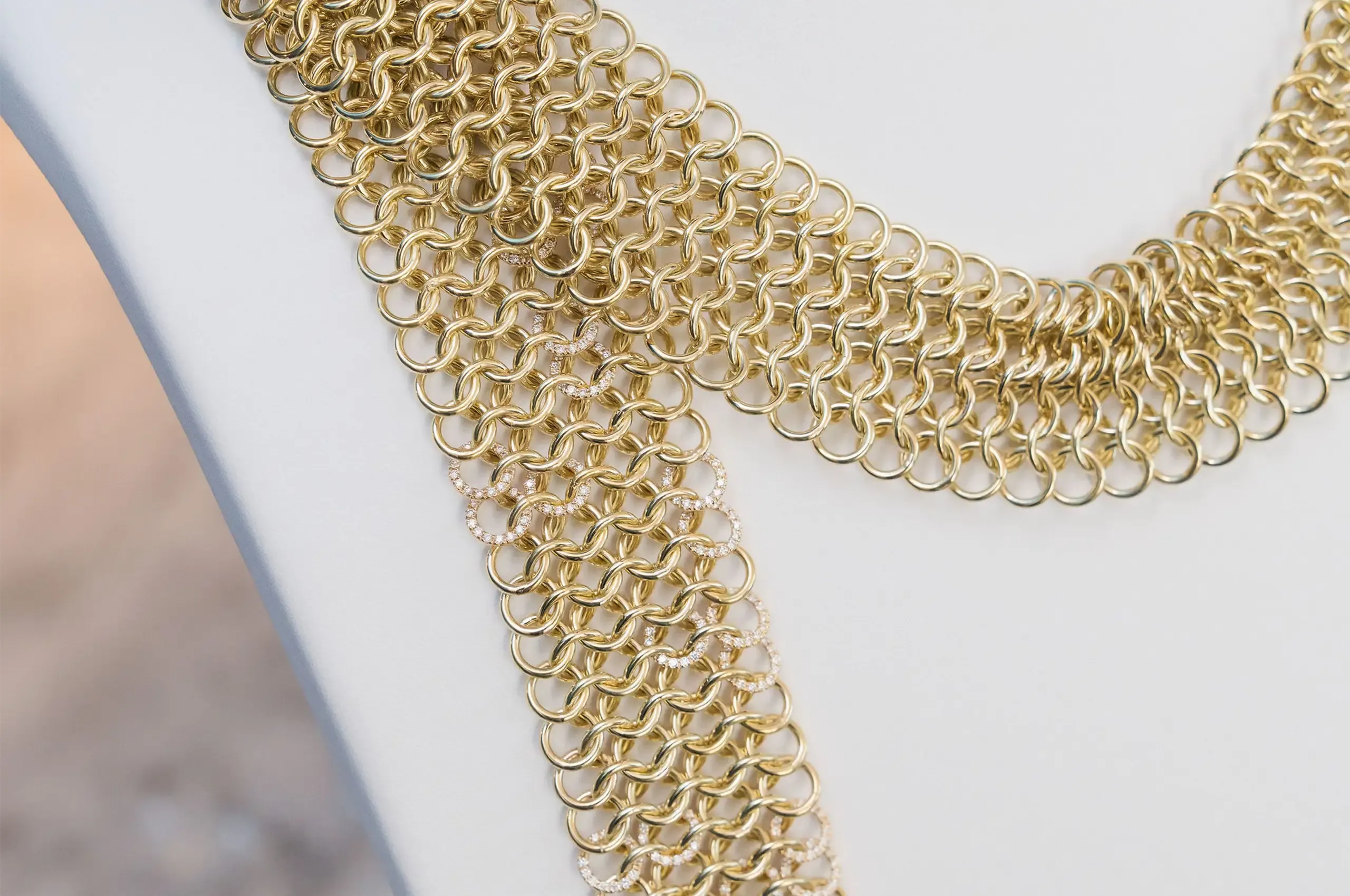
A close-up of Draped by Nadia Neuman, showing the interlocking gold links that give the jewellery scarf its fluid, textile-like quality
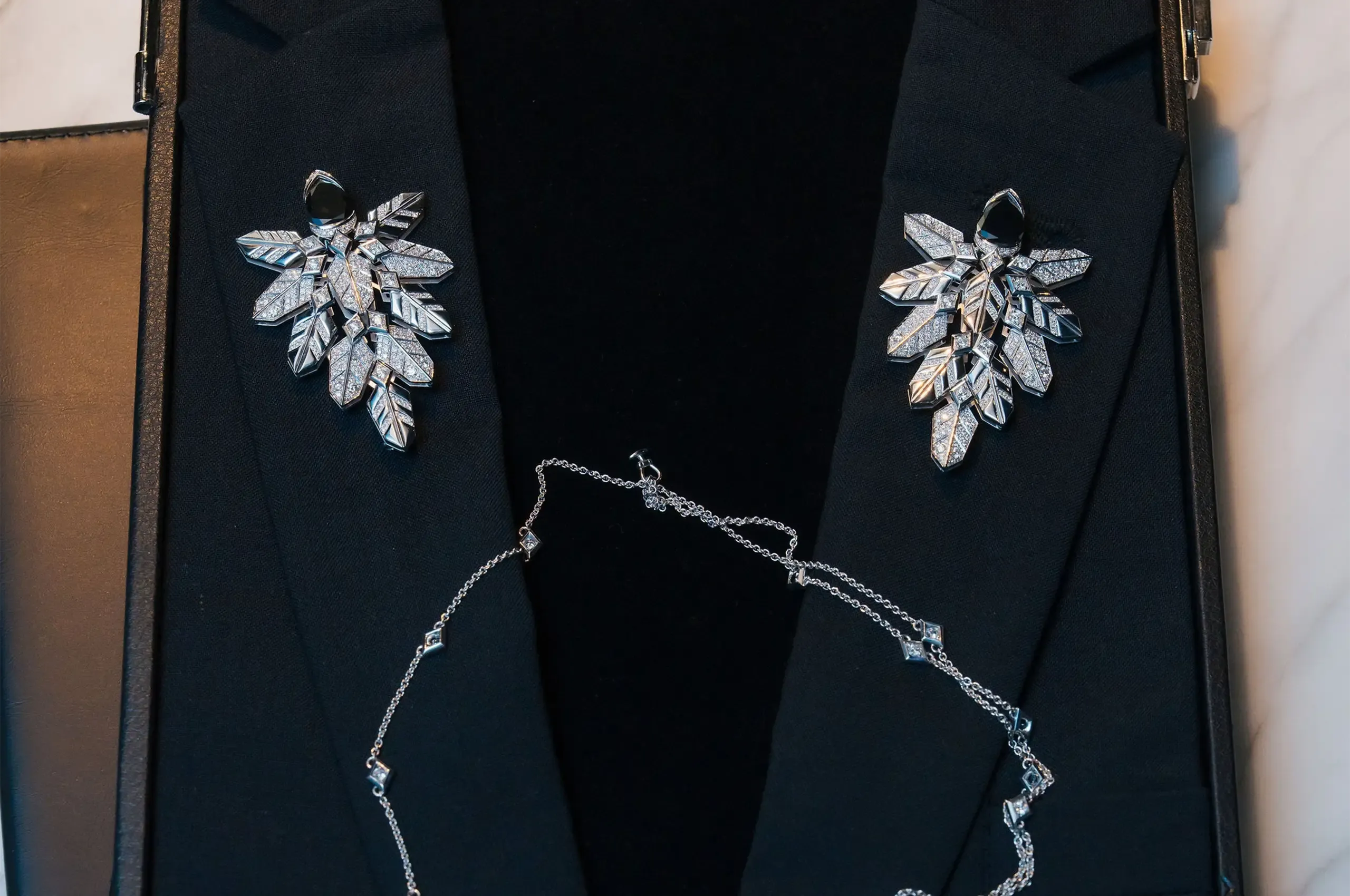
Inversari by Chantelle Green of Calleija features a pair of mirrored 18ct white gold lapel brooches inspired by feathers, shown without their detachable diamond-set chains
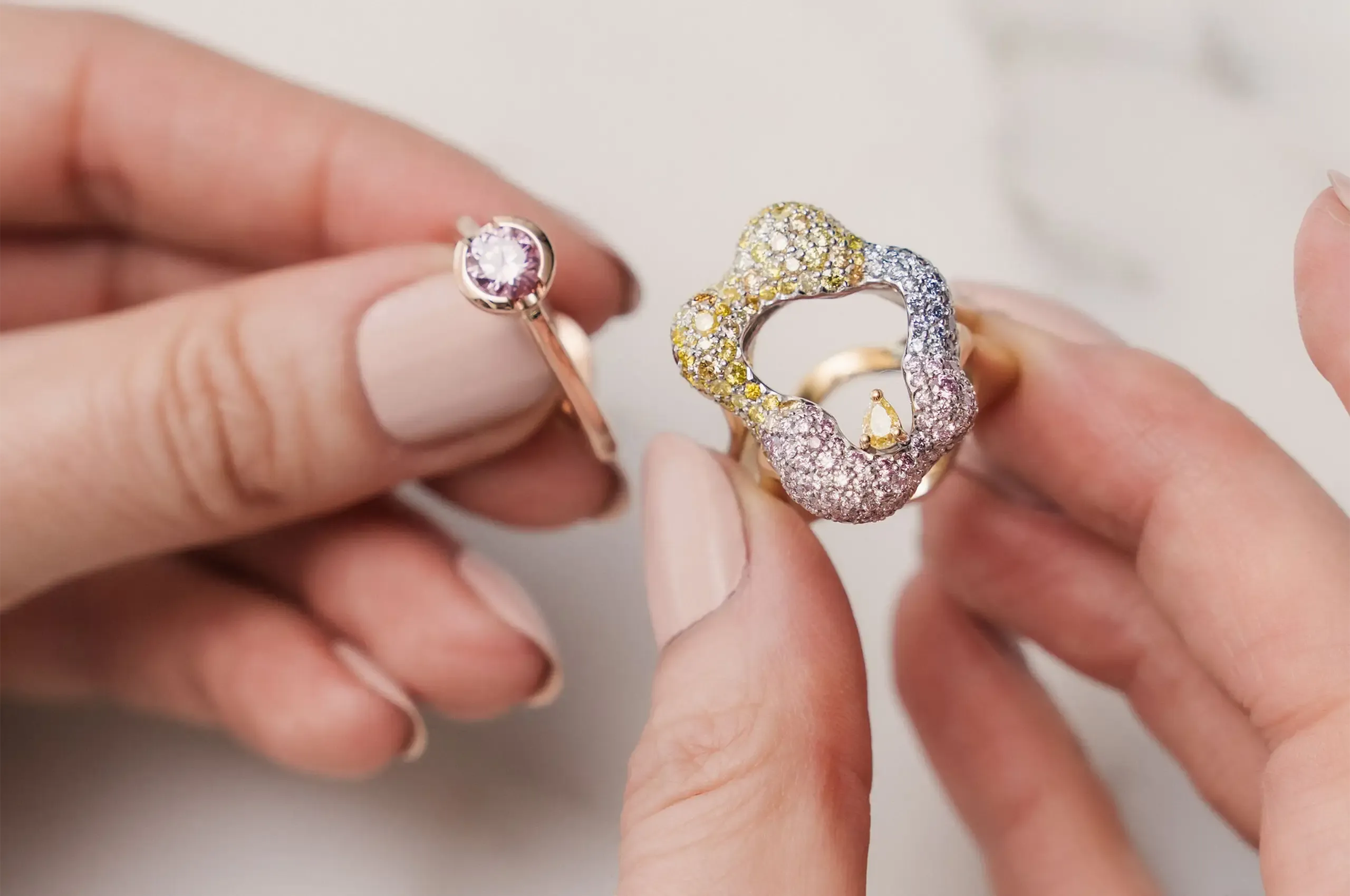
Entwined ring by Nazanin M. Khani of James Thredgold Jeweller, featuring an Argyle pink diamond framed by a removable jacket set with pink, yellow, orange and blue diamonds
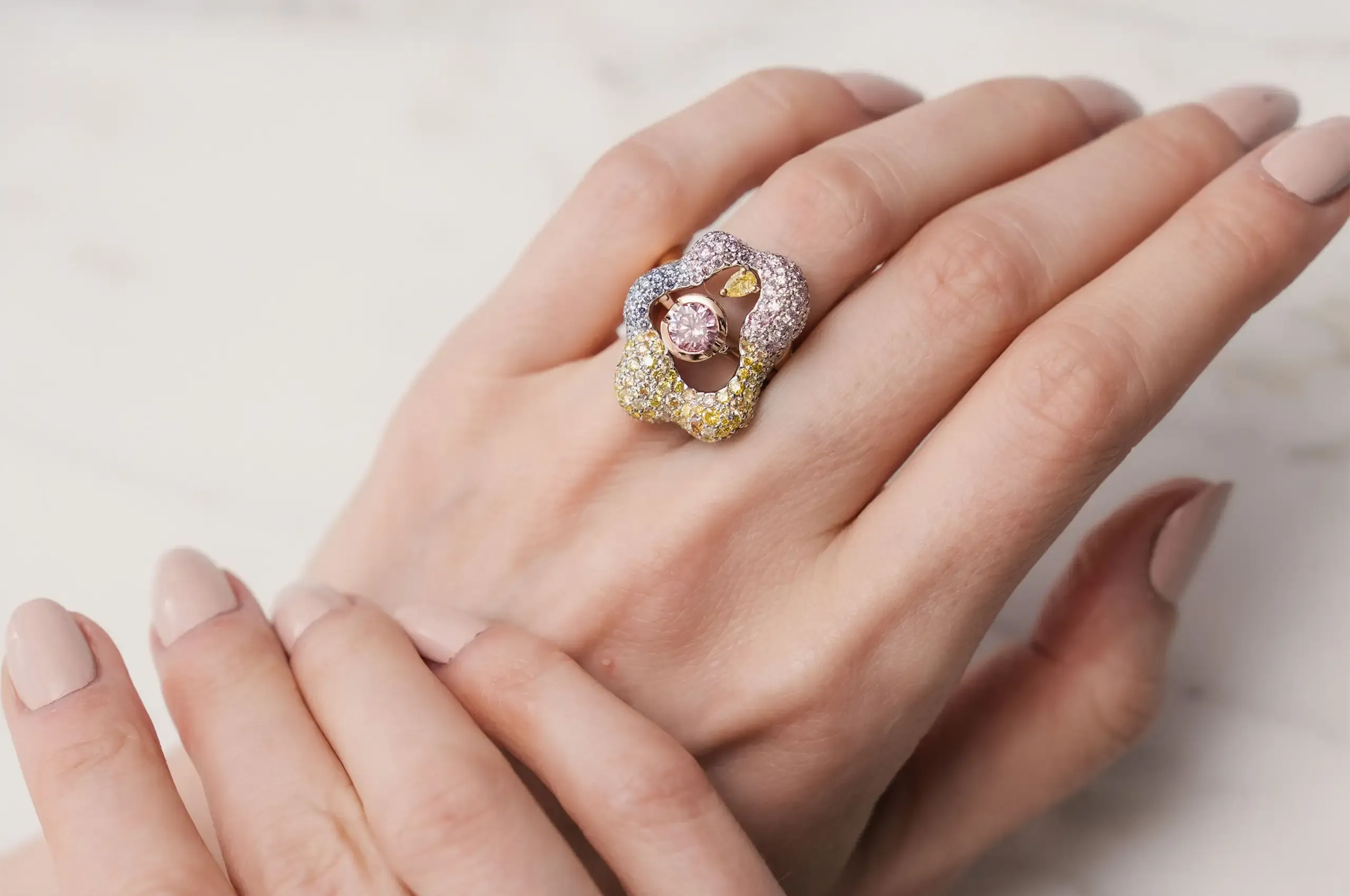
The removable diamond-set jacket of Entwined, inspired by coral and marine life, transforms an Argyle pink diamond solitaire into a colourful cocktail ring
Perhaps the most technically complex piece in the competition was Nadia Neuman's Origins necklace, submitted for the Coloured Diamonds category. Its central part features a swivelling mechanism consisting of linked circles, one inserted into the other. This playful element allowed for a variety of styling possibilities with a quick swivel of the circles because on one side, they were decorated with coloured or baguette colourless diamonds, while the other side was engraved. What is also interesting is that the centre stone is a rough brown diamond, signifying the 'origin' concept at the heart of the design.
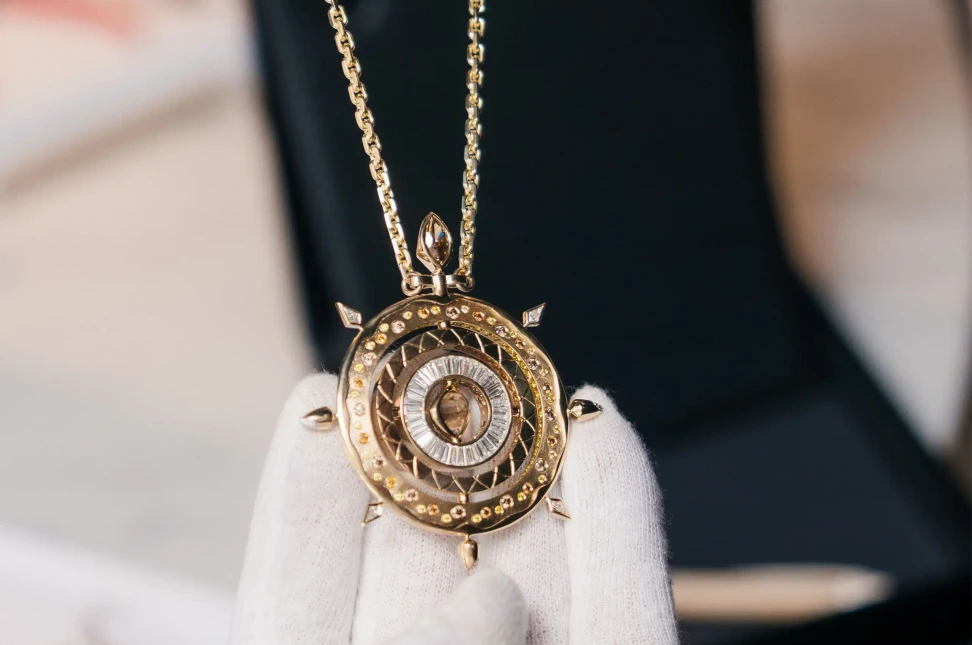
The Origins necklace by Nadia Neuman of Mondial featuring a rough champagne diamond set in 18ct yellow gold, surrounded by rotating rings set with white and coloured diamonds
An Unexpected Turn
This year, there was an unexpected change in the awards, which was formally announced during the ceremony on October 13. We did not anticipate that there would be a category for which it was impossible to decide on a winner, but that is exactly what happened with Fancy Colour. Two jewels collided where one is fit for a goddess, another fit for a queen. Both were complex masterpieces with beautiful coloured diamond embellishment, yet they had totally different aesthetics.
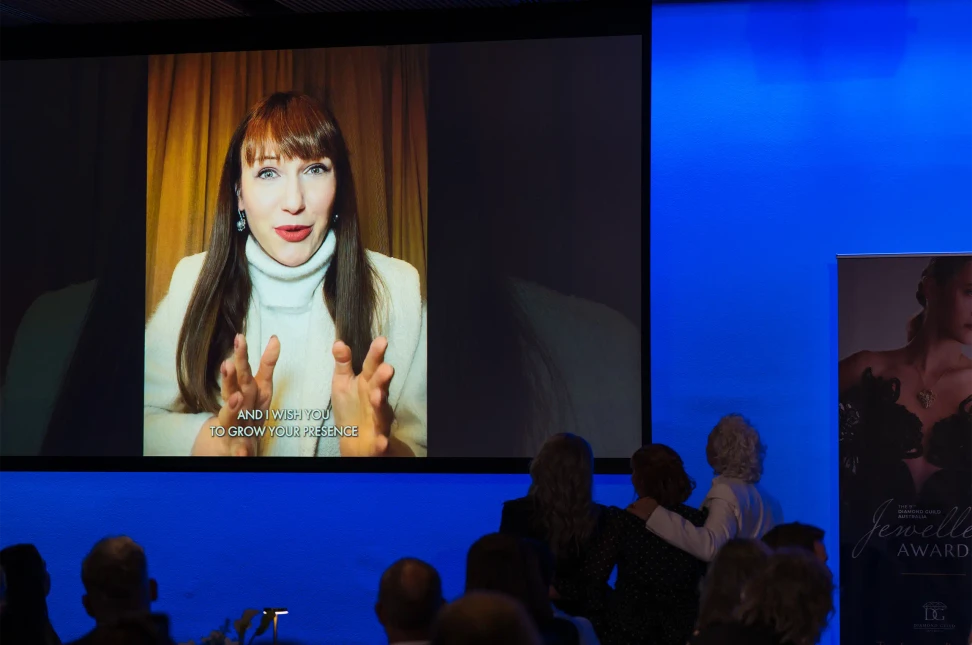
Katerina Perez joins the 9th Diamond Guild Australia Jewellery Awards ceremony virtually, following her visit to Sydney in August to judge the competition
The ‘Goddess’ piece had a complex rotating mechanism, strong presence and wow factor because of the sheer size of the necklace. It was a true showstopper, the kind of jewel you notice as soon as you enter the room. The other competing piece – the ‘Queen’ – transforms from a pendant into a ring in a quieter, more refined and feminine way. It had a totally different energy, but we loved it for its glamorous design, versatility and its variety of coloured diamonds with intense hues.
This was a perfect example of how sometimes, when two outstanding designs present themselves, it is simply impossible to compare them. Both were strong and had completely different design languages. So, in the end, we found the most obvious solution… which you can read about below.
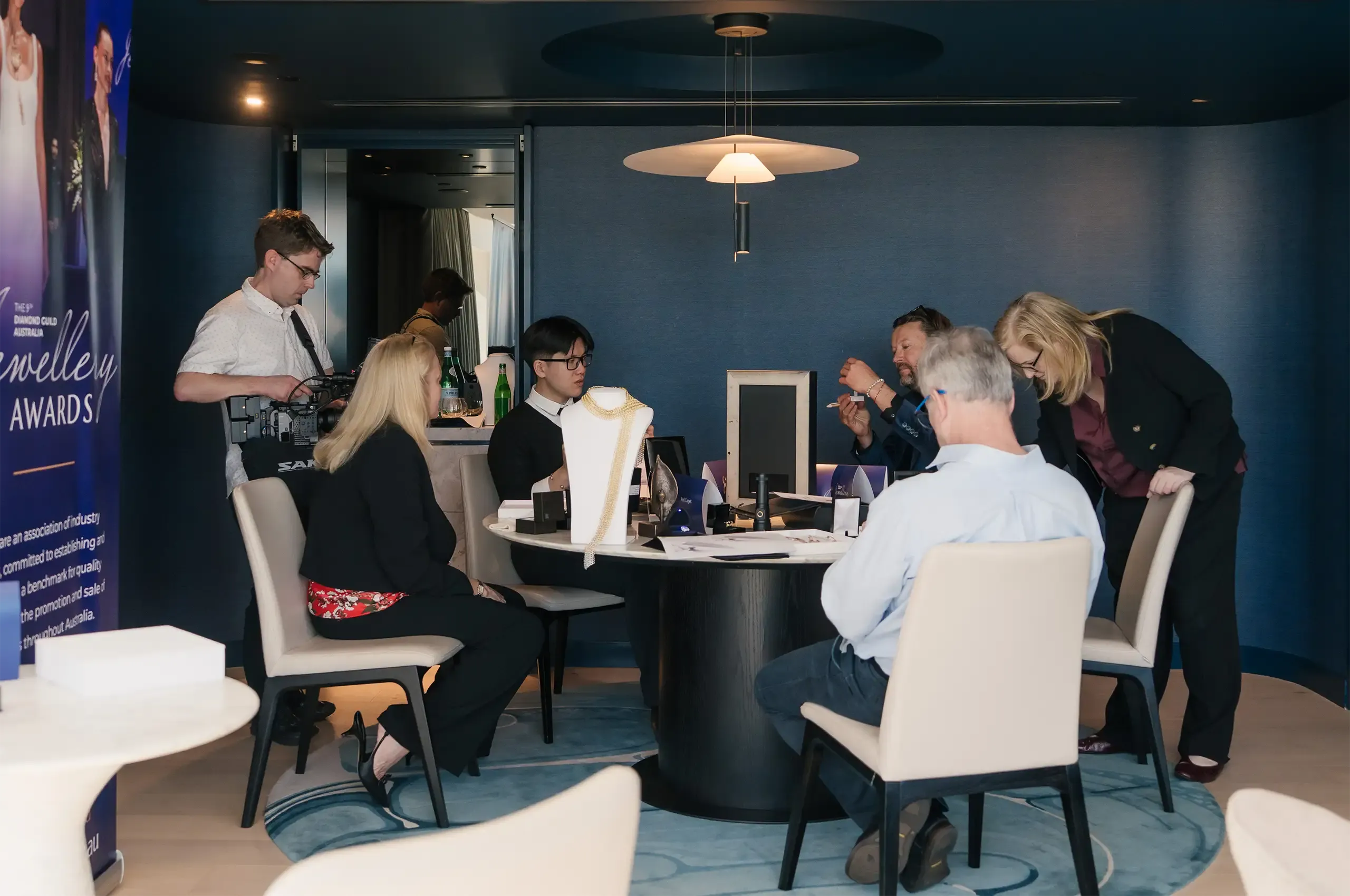
Katerina Perez joins fellow judges Lester Brand, Dr Brandon Gien and Joash Teo in Sydney to assess the entries for the 9th Diamond Guild Australia Jewellery Awards
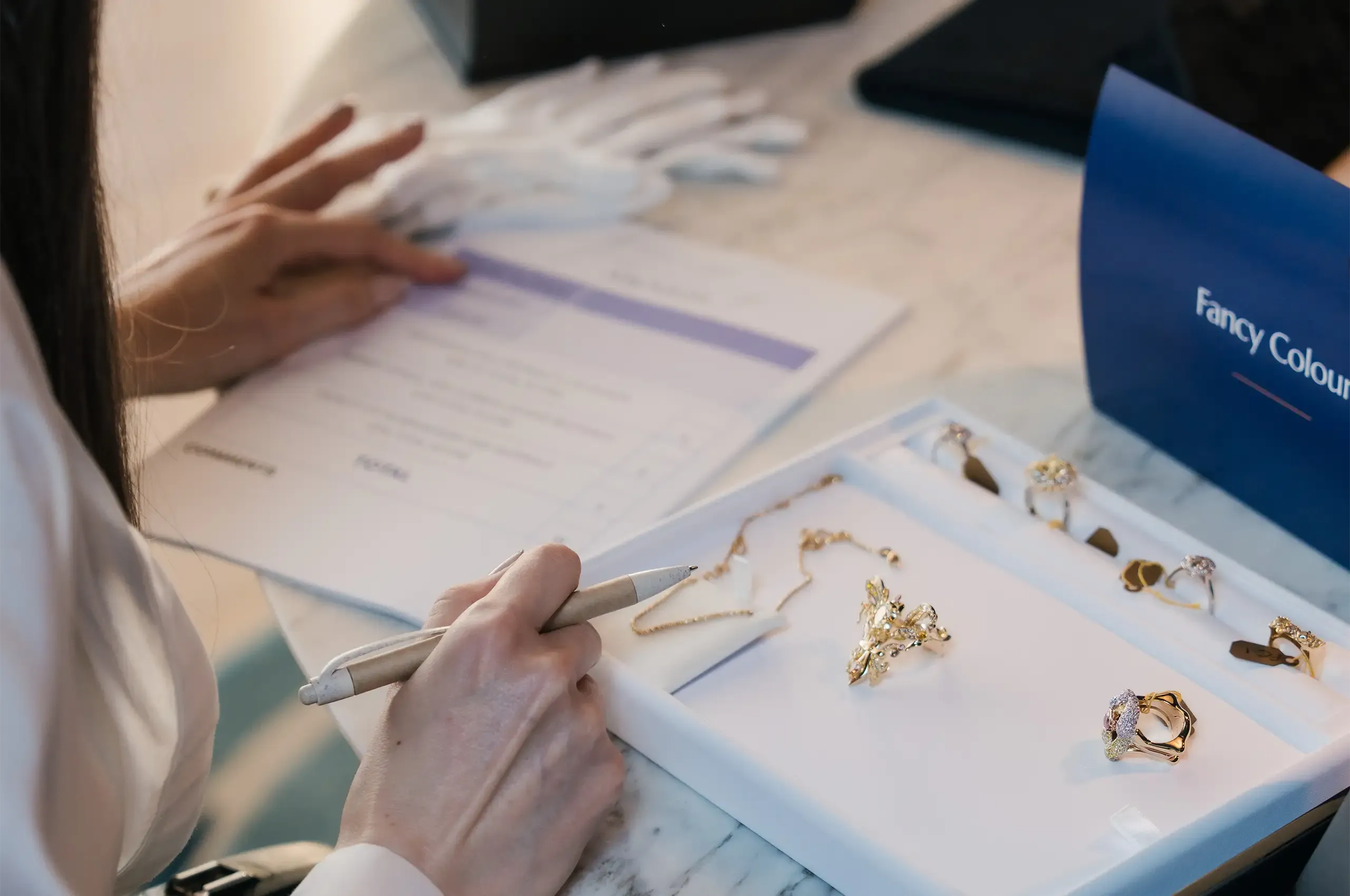
Katerina Perez joins fellow judges Lester Brand, Dr Brandon Gien and Joash Teo in Sydney to assess the entries for the 9th Diamond Guild Australia Jewellery Awards
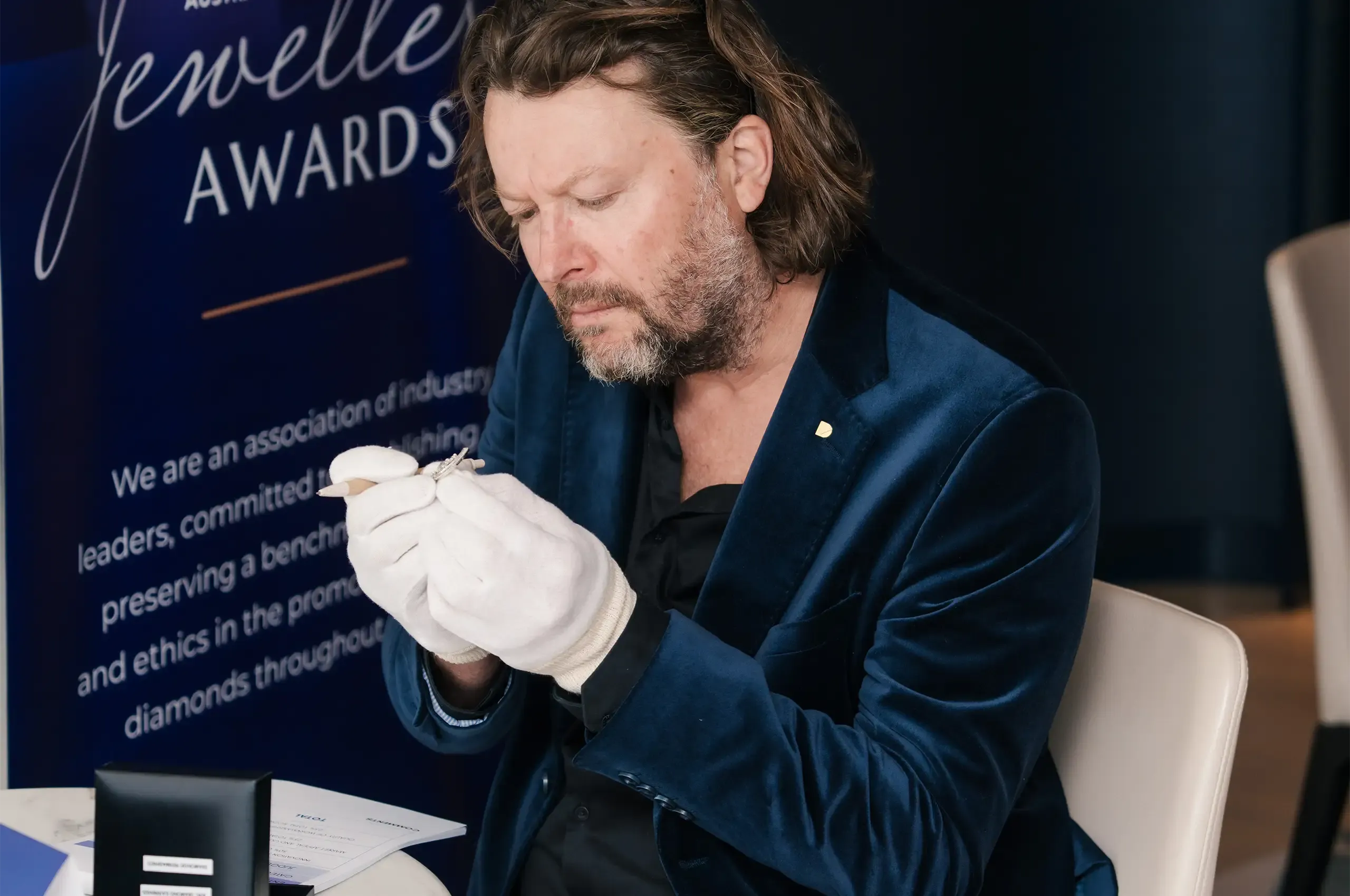
Katerina Perez joins fellow judges Lester Brand, Dr Brandon Gien and Joash Teo in Sydney to assess the entries for the 9th Diamond Guild Australia Jewellery Awards
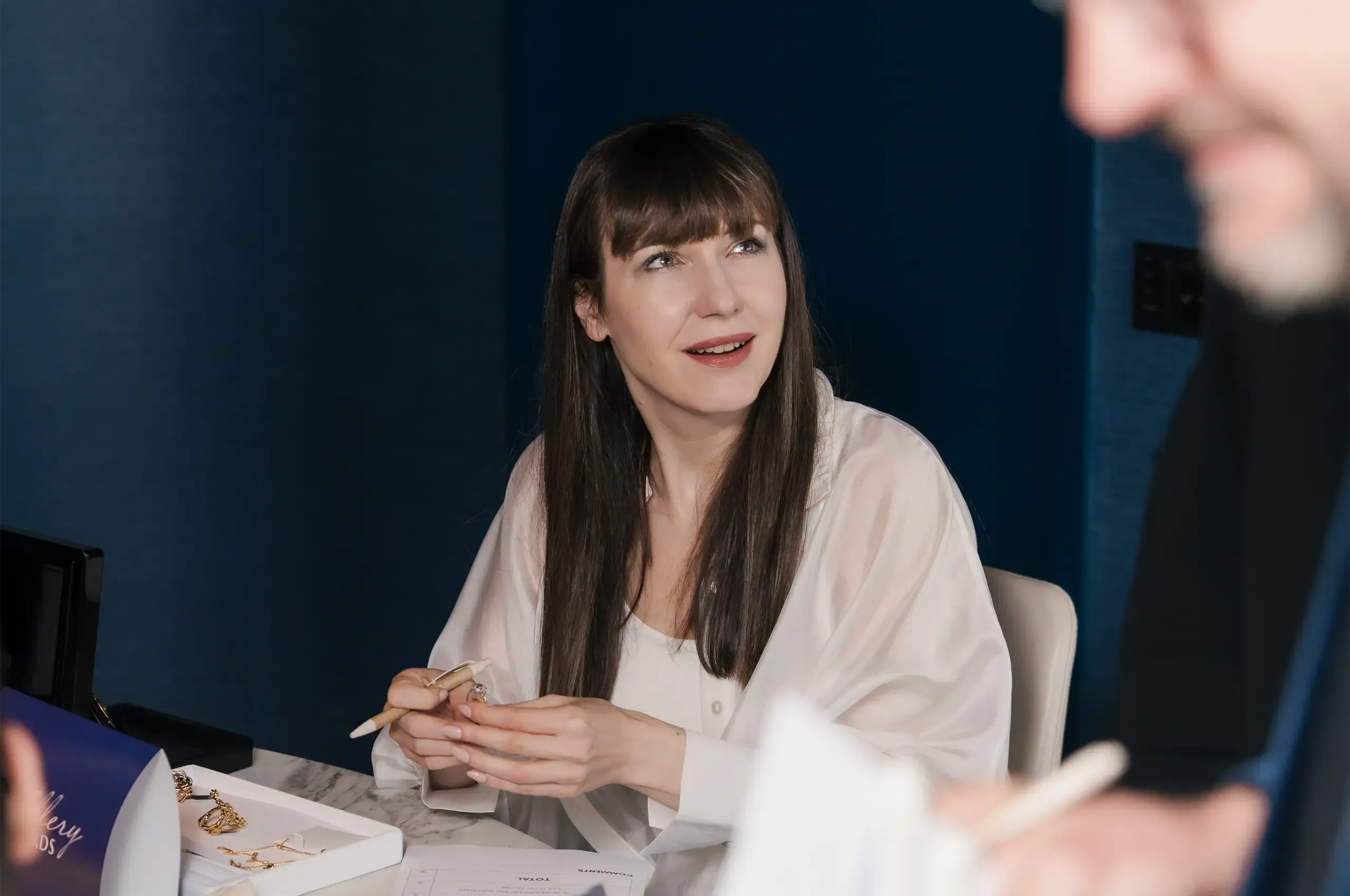
Katerina Perez joins fellow judges Lester Brand, Dr Brandon Gien and Joash Teo in Sydney to assess the entries for the 9th Diamond Guild Australia Jewellery Awards
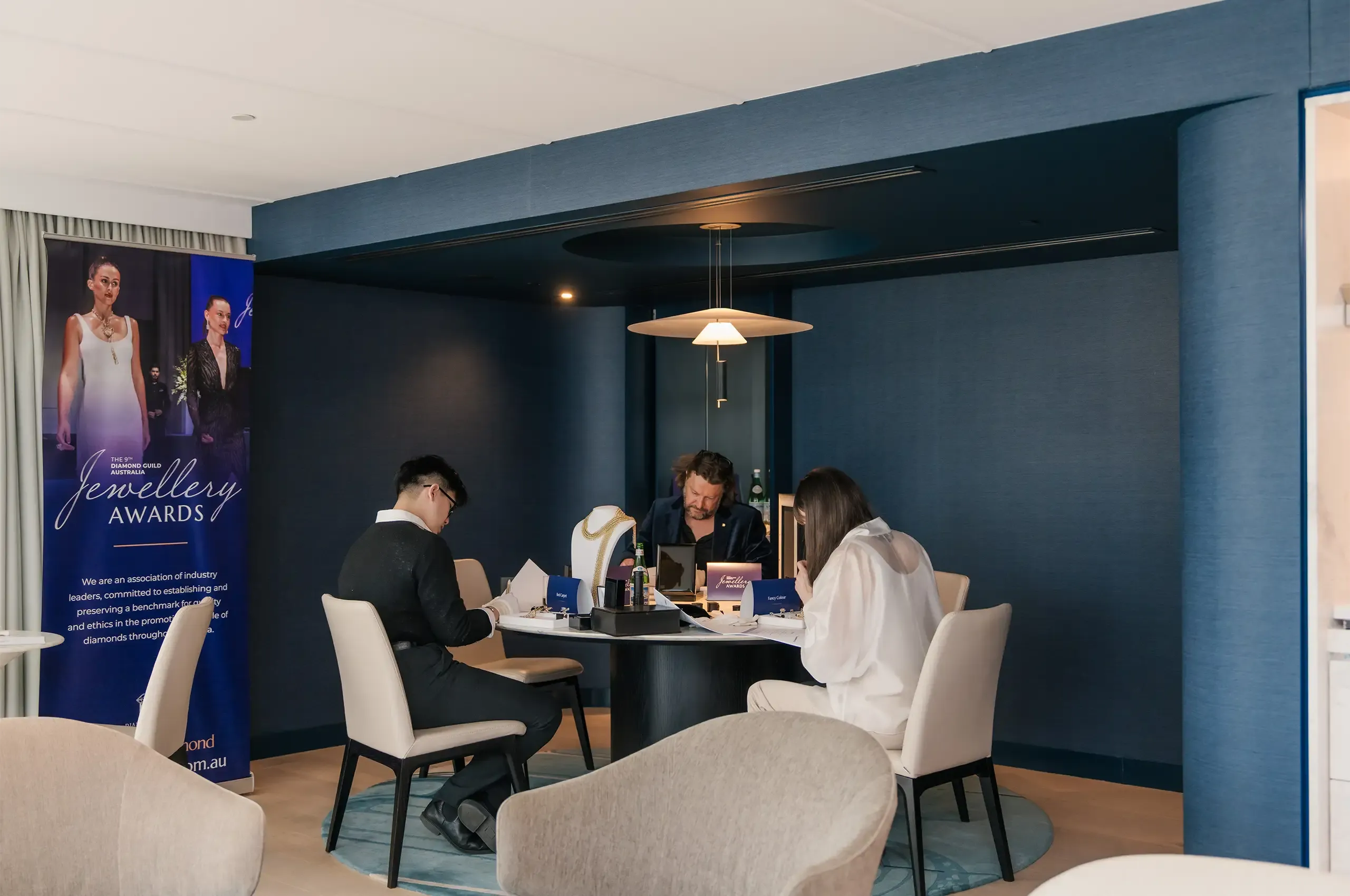
Katerina Perez joins fellow judges Lester Brand, Dr Brandon Gien and Joash Teo in Sydney to assess the entries for the 9th Diamond Guild Australia Jewellery Awards
Katerina Perez joins fellow judges Lester Brand, Dr Brandon Gien and Joash Teo in Sydney to assess the entries for the 9th Diamond Guild Australia Jewellery Awards
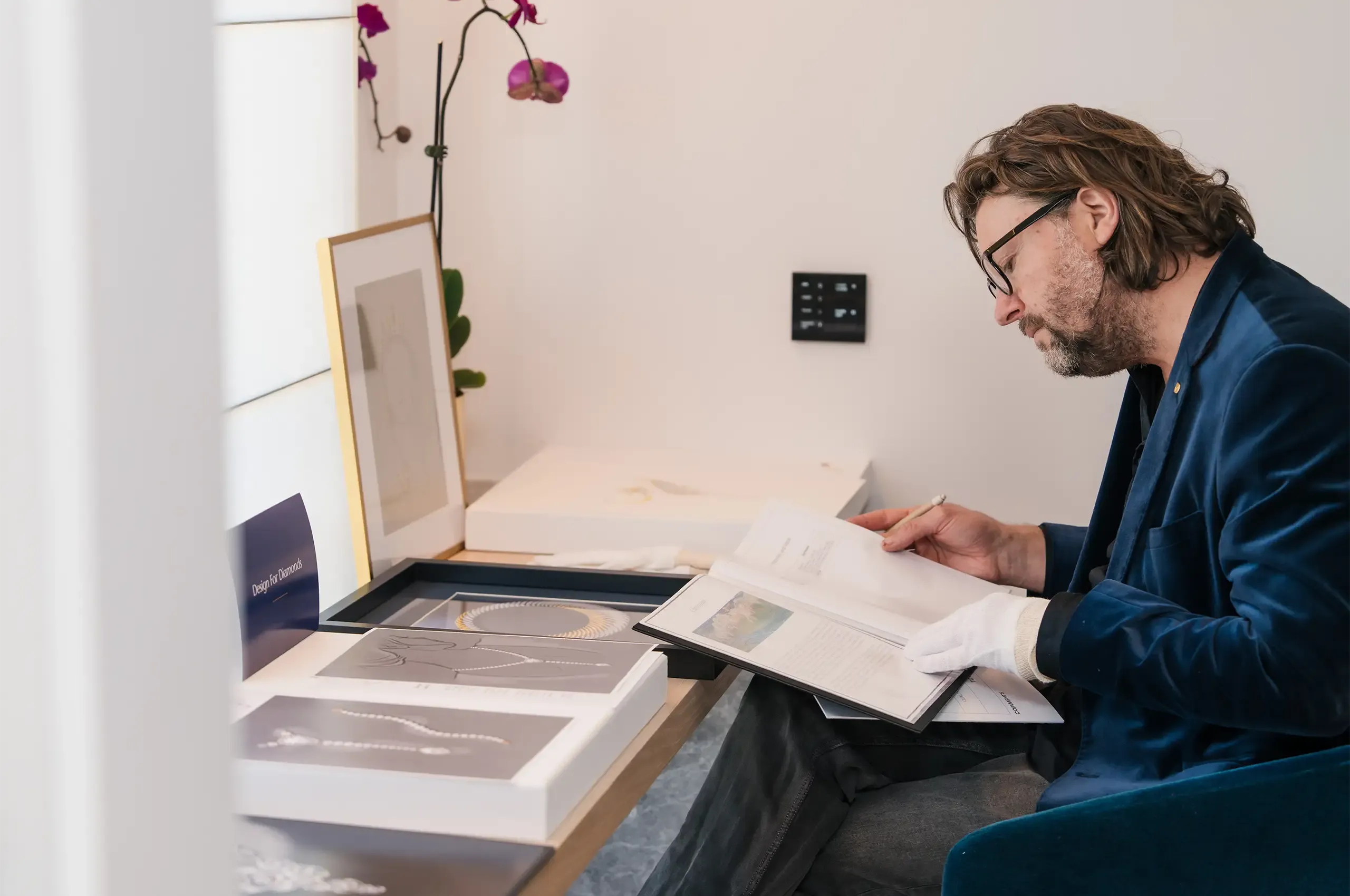
Katerina Perez joins fellow judges Lester Brand, Dr Brandon Gien and Joash Teo in Sydney to assess the entries for the 9th Diamond Guild Australia Jewellery Awards
The Winners
Without further ado, let me tell you about this year’s competition winners. Let’s start with the Design for Diamonds category, which is the only one to incorporate jewellery design renders or digital ‘imaginings’ of what a piece may look like in reality.
The finalists included Maria Ulas of Artelia Jewellers, whose Nymphaea design found inspiration in water lilies, and Alaine Anson of Anson Jewellers, who impressed with her platinum collar with glass micro mosaic inlay, named Coral Vitae. However, we felt Chantelle Green of Calleija deserved the top spot for Continuum – a semi-flexible 18k yellow and white gold collier set with graduated rows of white to fancy yellow diamonds. The piece is almost hypnotic in its construction, so I really hope this award-winning design becomes a reality sometime soon.
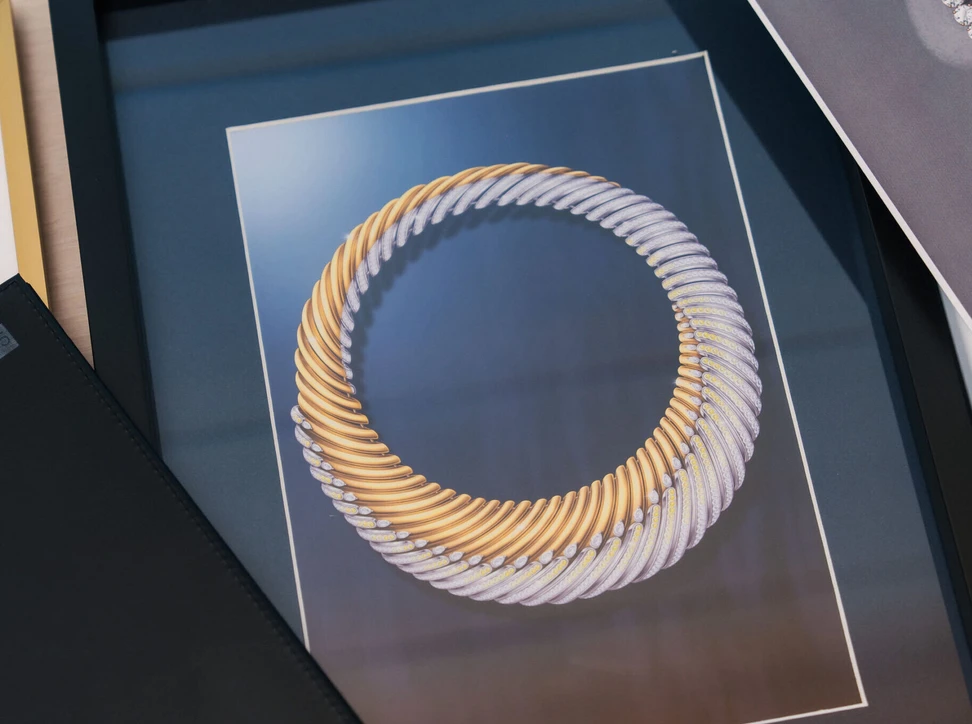
A rendering of the Continuum collier by Chantelle Green of Calleija, winner of the Design for Diamonds category
The Diamonds Reimagined category was something I was excited about, and it didn’t disappoint. Although Stephen Dibb of Stephen Dibb Jewellery and Michael Villani of Villani Jewellers entered some sensational creations, it was the trio of Ben Preston-Black, Rowan Thin-Smith and Helena Yntema hailing from Creations Jewellers who secured the top prize with their multi-piece ear climbers – The Arc – with carré, princess and tapered baguette cut diamonds set in platinum. Engraved butterfly details, created from an existing tennis bracelet, ring and bangle, showed how diamonds can be given a new lease of life.
The Diamonds for Everyday prize was secured by Mark Schaefer of Jeff Einstein Jewellery for his Embrace ring, crafted in 18k yellow and white gold with a fancy light greenish yellow square modified brilliant-cut diamond of 1.03 carat. It’s a solitaire, but with an unusual two-tone, square-shaped setting that demonstrates a unique design sensibility and a willingness to think outside the box. Of course, praise must go to the other finalists in this category, Ben Preston-Black and Rowan Thin-Smith of Creations Jewellers and Tammy Keers of Artisans Bespoke Jewellers.
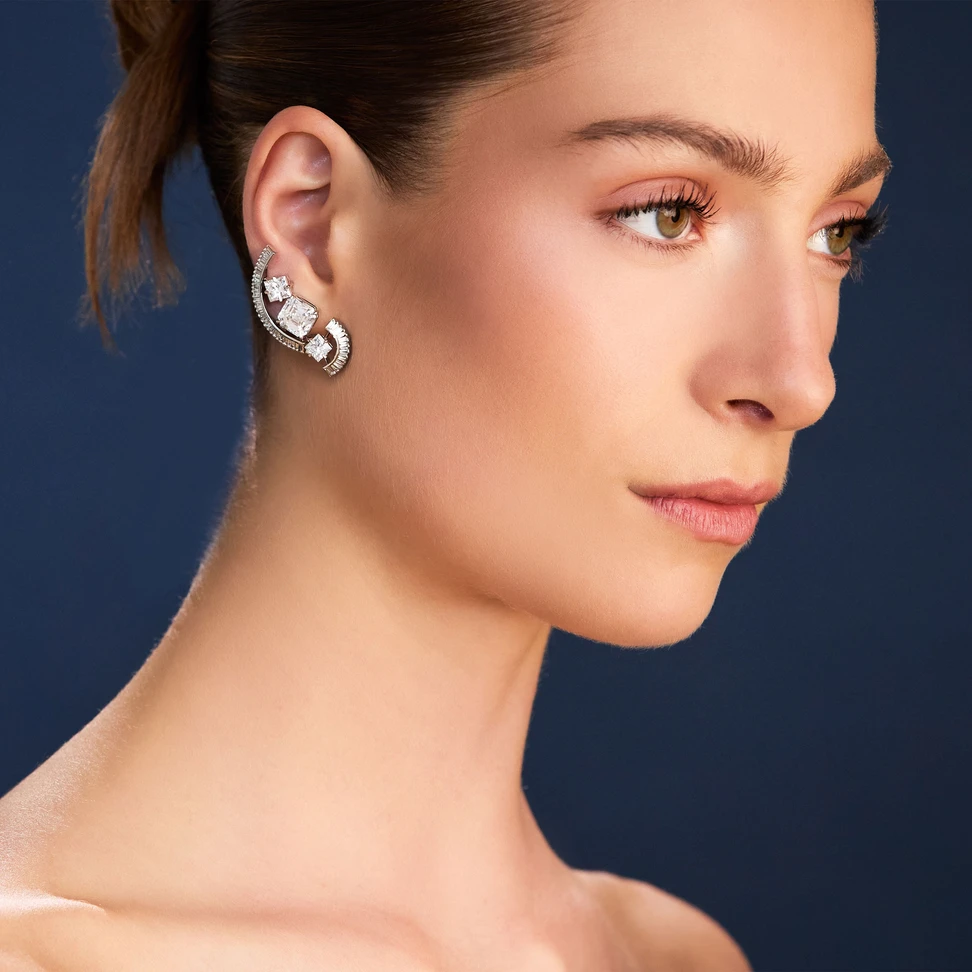
The Arc earrings by Creations Jewellers, winner of the Diamonds Reimagined award. They were created from a client's existing tennis bracelet, ring and bangle
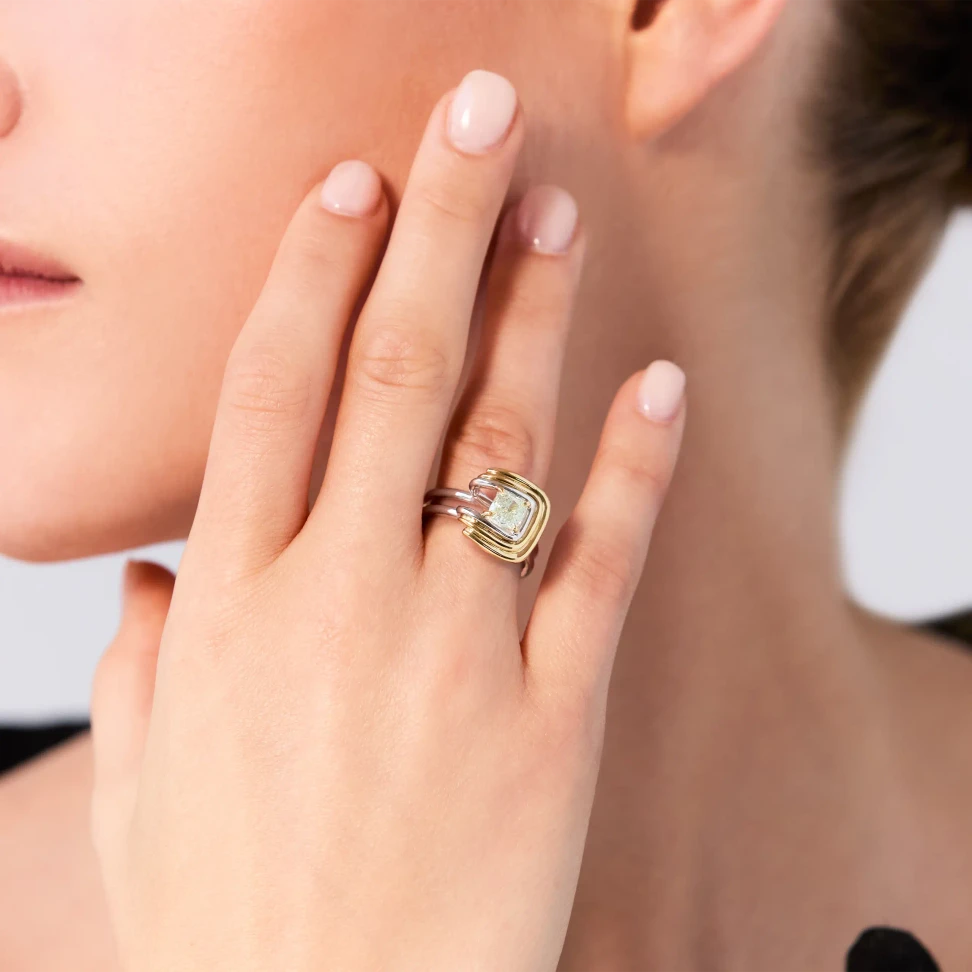
Mark Schaefer of Jeff Einstein Jewellery won the Diamonds for Everyday category with his Embrace ring design
The Diamonds for Men category included pieces by Chantelle Green of Calleija and Henry Hazeldine of MDT Design, but it was Clint Slogrove of Stephen Dibb Jewellery who took home the prize for Unfurling Whimsy – an incredible tie clip with 5.46 carats of diamonds in 18k yellow and white gold. The piece, which is inspired by silver fern fronds uncurling, would look fantastic on the red carpet and I hope to one day see it on a Hollywood celebrity or, should I say, an Australian star!
Now, remember what I said about the Fancy Colour category. As we couldn’t pick one winner, we chose two! The first is Nadia Neuman of Mondial by Nadia Neuman for her pendant design Resonance, crafted in 18k yellow gold with a rough octahedron champagne diamond halo and rotating rings of white and coloured diamonds, totalling more than 18 carats. The second winner is Tammy Keers of Artisans Bespoke Jewellers with her transformable ring-pendant, Kimberley Sunset, featuring fancy colour diamonds and a concealed hinged bale for adding a chain.
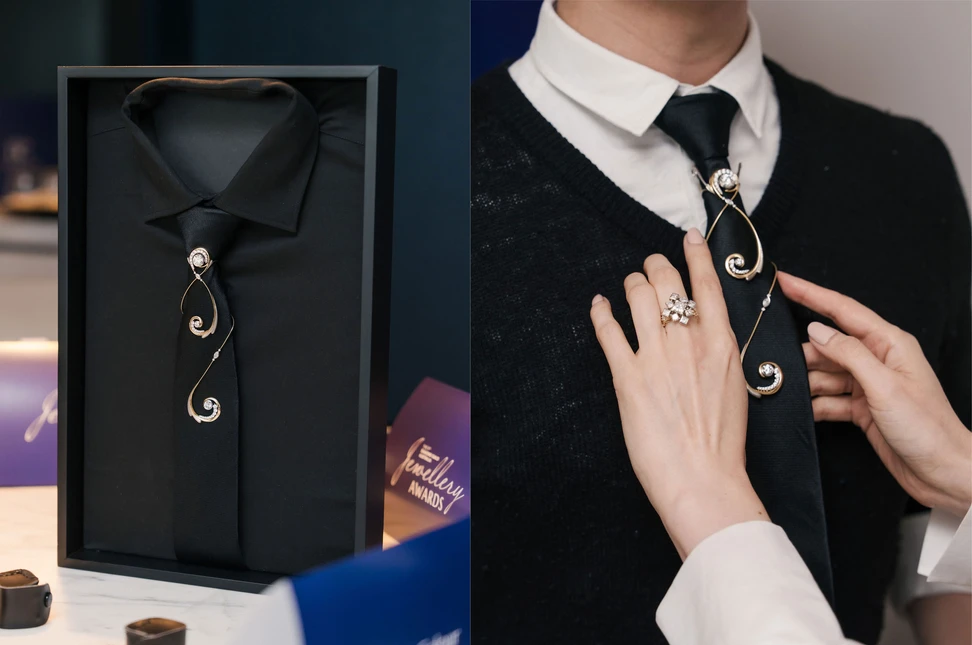
Unfurling Whimsy, winner of the Diamonds for Men category, is an 18k yellow and white gold tie clip set with 5.46 carats of diamonds, designed by Clint Slogrove of Stephen Dibb Jewellery
The other finalists in this category, Naz Khani and Amanda Evans of James Thredgold Jewellers, only narrowly missed out. Their Entwined puzzle ring with a central Argyle pink diamond and a detachable halo of pink, yellow, orange and blue diamonds, weighing 3.18 carats, was simply sublime.
Nadia Neuman of Mondial by Nadia Neuman and Jodi Pendfold of Jewels of the Kimberley were finalists in the Red Carpet category, but neither could top the gorgeous ring by Yasunori Konishi of Michael Hill Jewellers titled Hidden Nature. This piece grows across the finger with openwork leaves, butterflies and flowers in two-tone gold and diamonds. I am pleased to say that this piece also won this year’s Supreme Award, which means it was chosen from the winners of each category as the pinnacle of Australian design, craftsmanship and originality.
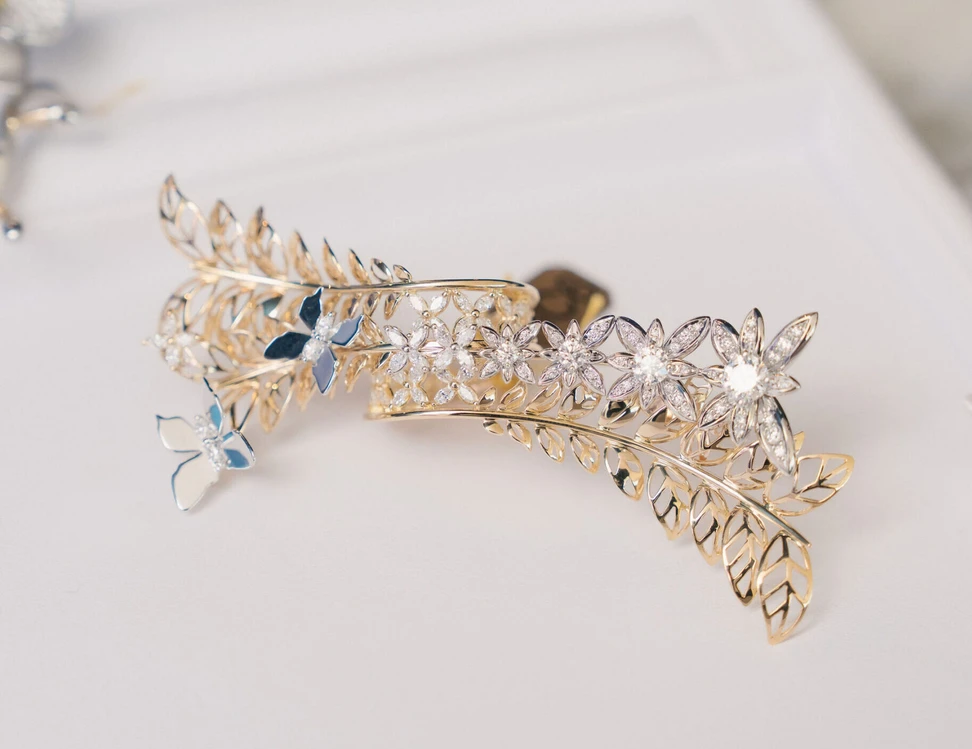
Hidden Nature by Yasunori Konishi of Michael Hill Jewellers, a two-tone gold and diamond ring featuring flowers, butterflies and openwork leaves, winner of the Red Carpet category and the Supreme Award
Let’s continue with the Solitaire category. I was excited to see the finalists’ creations because it is not easy to inject originality into such a well-worn design style. Travis Trewarne of Trewarne Fine Jewellery presented his Eclipsis Solis ring in platinum with a marquise-cut diamond set against a textured and oxidised concave disc, surrounded by milgrain details. Ben Preston-Black and Rowan Thin-Smith of Creations Jewellers also wowed with Swarf, a ring crafted in 100% recycled 18k yellow gold and set with a 5.02 carat pear-shaped diamond.
However, it was Andrew Mitchell of Martin Rogers Jewellers who was victorious with his Emergence ring, in which a modified cushion-cut diamond is suspended as part of an architectural nano-enamel-finished and weighted shank. Trust me when I say the video below does not do justice to the incredible feats of craftsmanship that have gone into this sculptural creation.
Let’s also toast the winner in the Emerging Talent category – Braeden Anson of Calleija – who impressed us all with a pair of 18k white and rose gold drop earrings set with 3.46 carats of white and champagne diamonds. Shanti Toh of Martin Rogers Jewellers and Finn Hawkins of Stephen Dibb Jewellery are also names to look out for in future competitions and perhaps for forward-thinking collectors, too.
Although not under our remit as judges, I would like to conclude this rundown of the 2026 winners with a spotlight on the People’s Choice Winner. This was won by Michael Villani of Villani Jewellers for his ‘Complex’ ring, set with round brilliant- and baguette-cut diamonds in yellow and white gold.
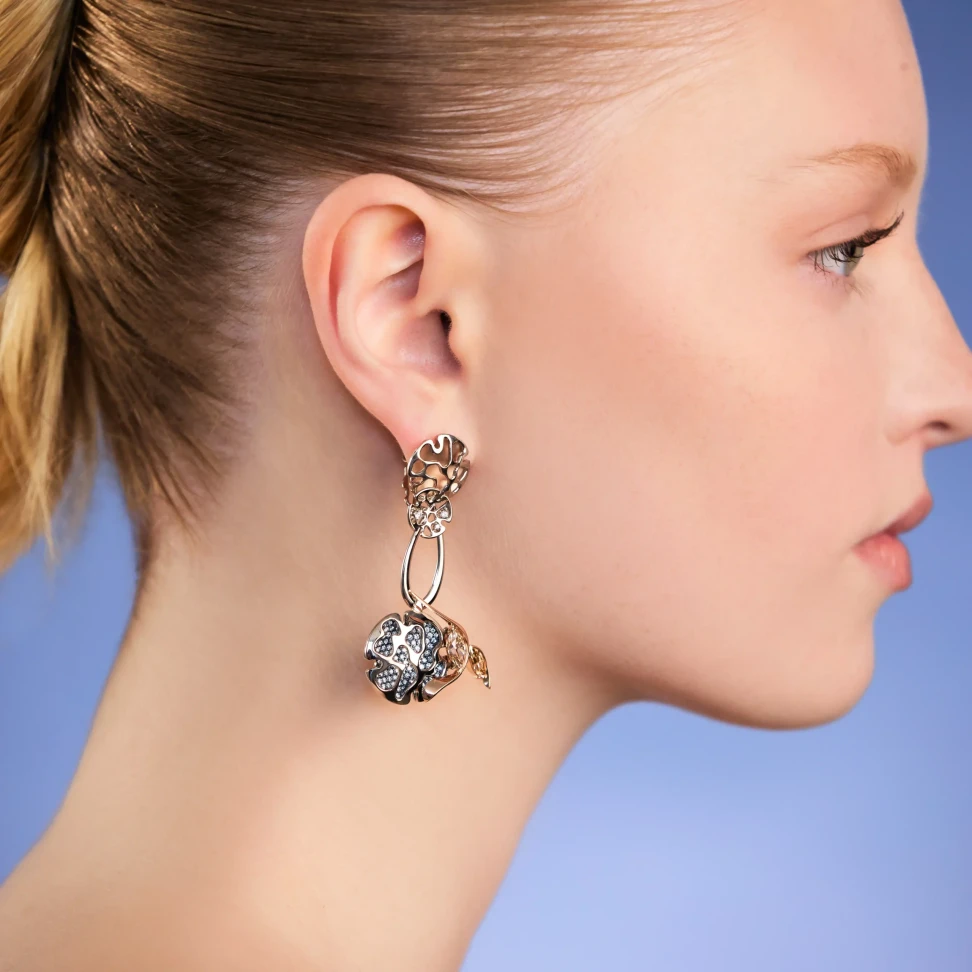
Braeden Anson of Calleija won the Emerging Talent category with these 18k white and rose gold drop earrings, set with 3.46 carats of white and champagne diamonds
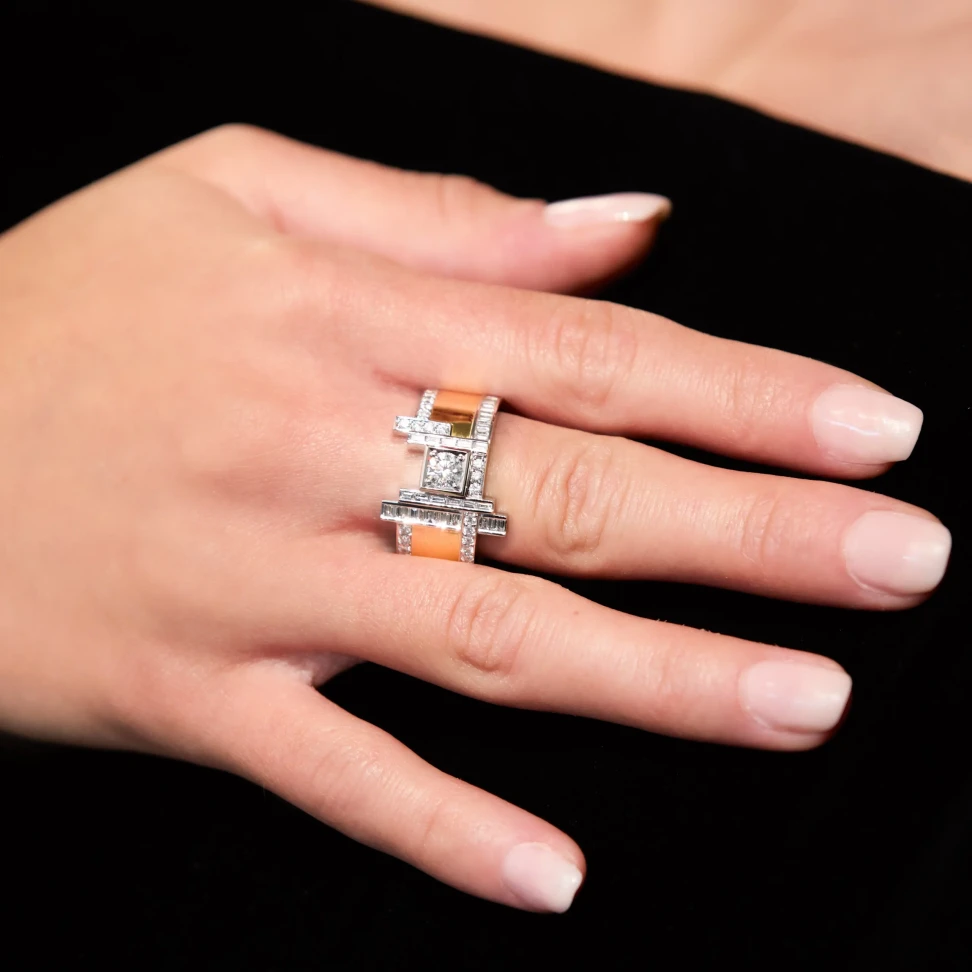
Winner of the People’s Choice Award: The Complex ring by Michael Villani of Villani Jewellers set with round brilliant- and baguette-cut diamonds in yellow and white gold
Judging this competition was one of the most rewarding experiences of my career. It reminded me why I fell in love with jewellery in the first place - not just for the precious metals and rare gemstones, but for the people who pour their souls into their craft. Australia has a jewellery community that is vibrant, innovative and unafraid to push boundaries, and I felt that the 9th Diamond Guild Australia Jewellery Awards was proof of that.
I will be joining it virtually in October for the winners' announcement, and I cannot wait to share which pieces take home the top honours. Until then, I will leave you with this: if you ever have the chance to see the finalists' pieces in person, do not hesitate. They are nothing short of extraordinary.


WORDS
Katerina Perez Is a jewellery insider, journalist and brand consultant with more than 15 years’ experience in the jewellery sector. Paris-based, Katerina has worked as a freelance journalist and content editor since 2011, writing articles for international publications. To share her jewellery knowledge and expertise, Katerina founded this website and launched her @katerina_perez Instagram in 2013.
RelatedArticles
Discover the brand: the story from various angles.